
Last updated November 15, 2026
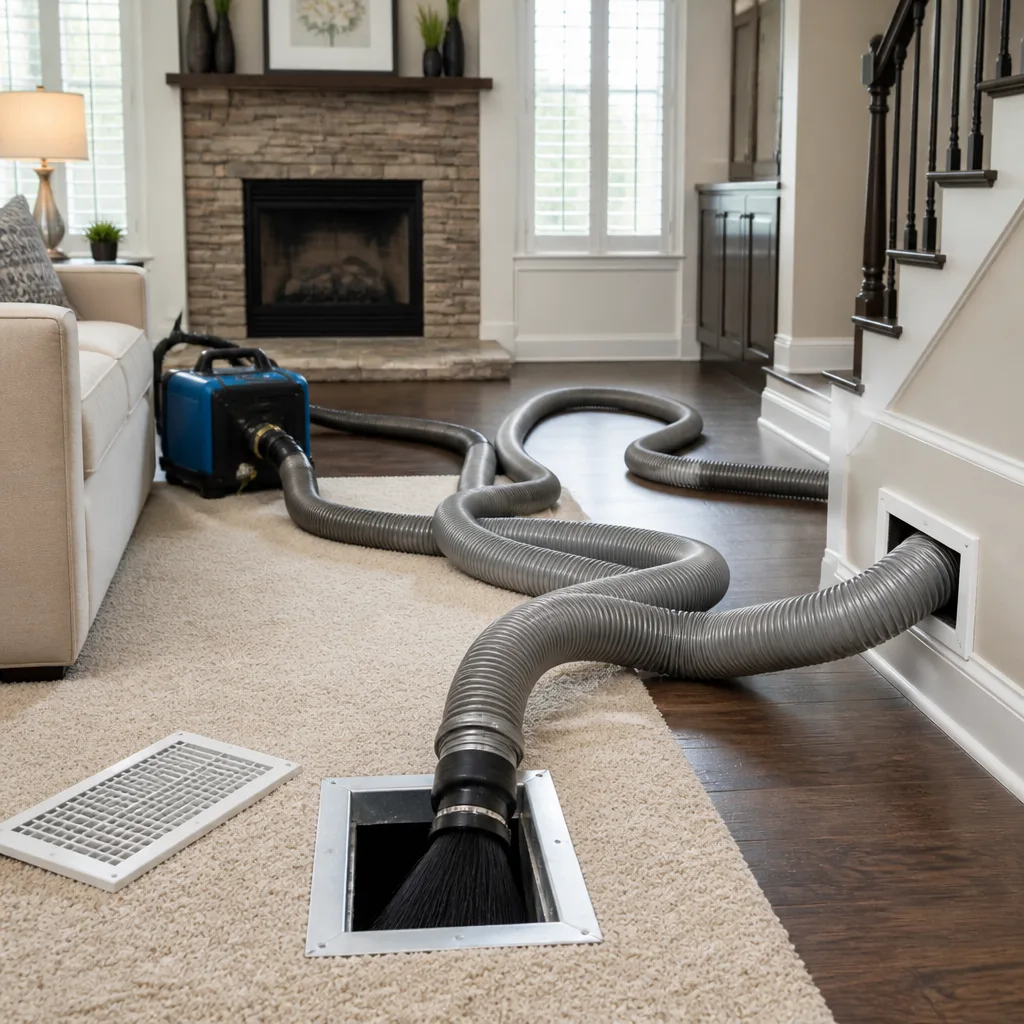 Whole-home duct cleaning
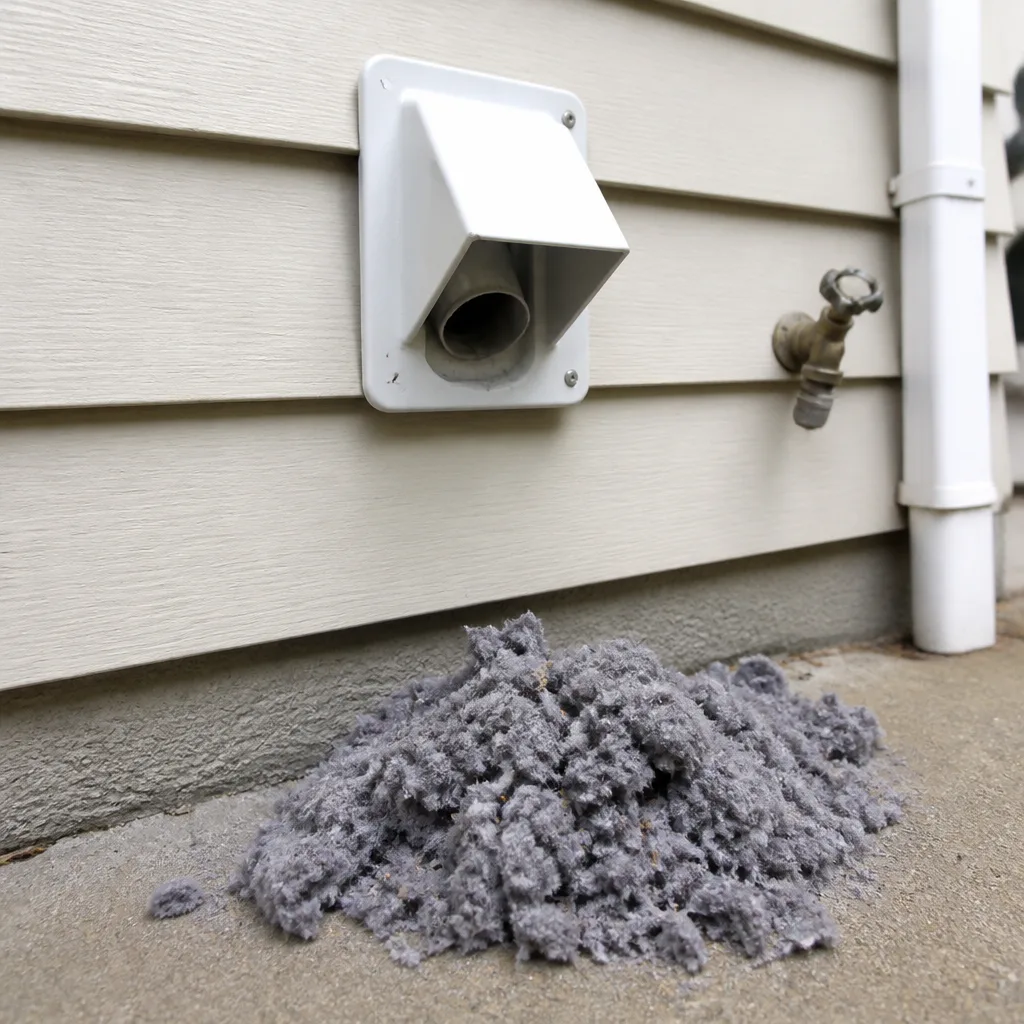 Dryer vent cleaning
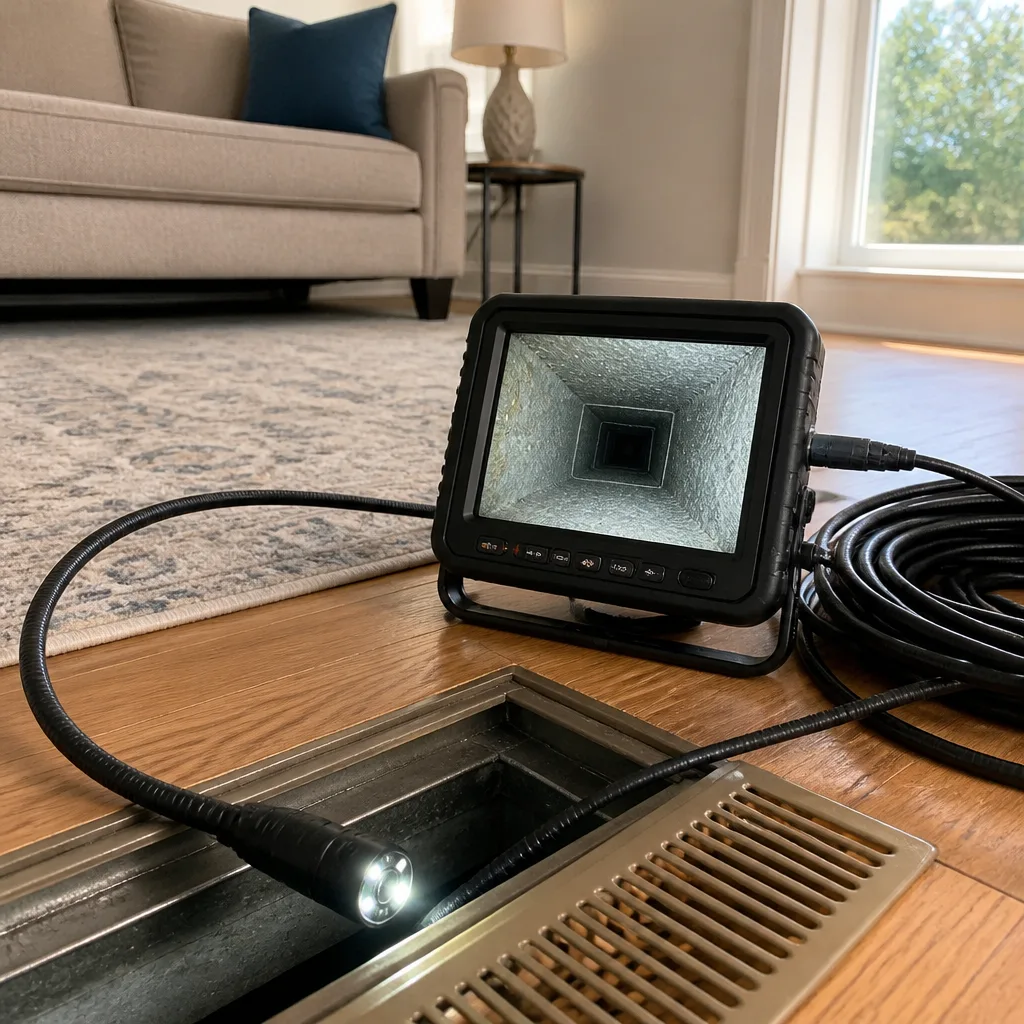 Camera inspection
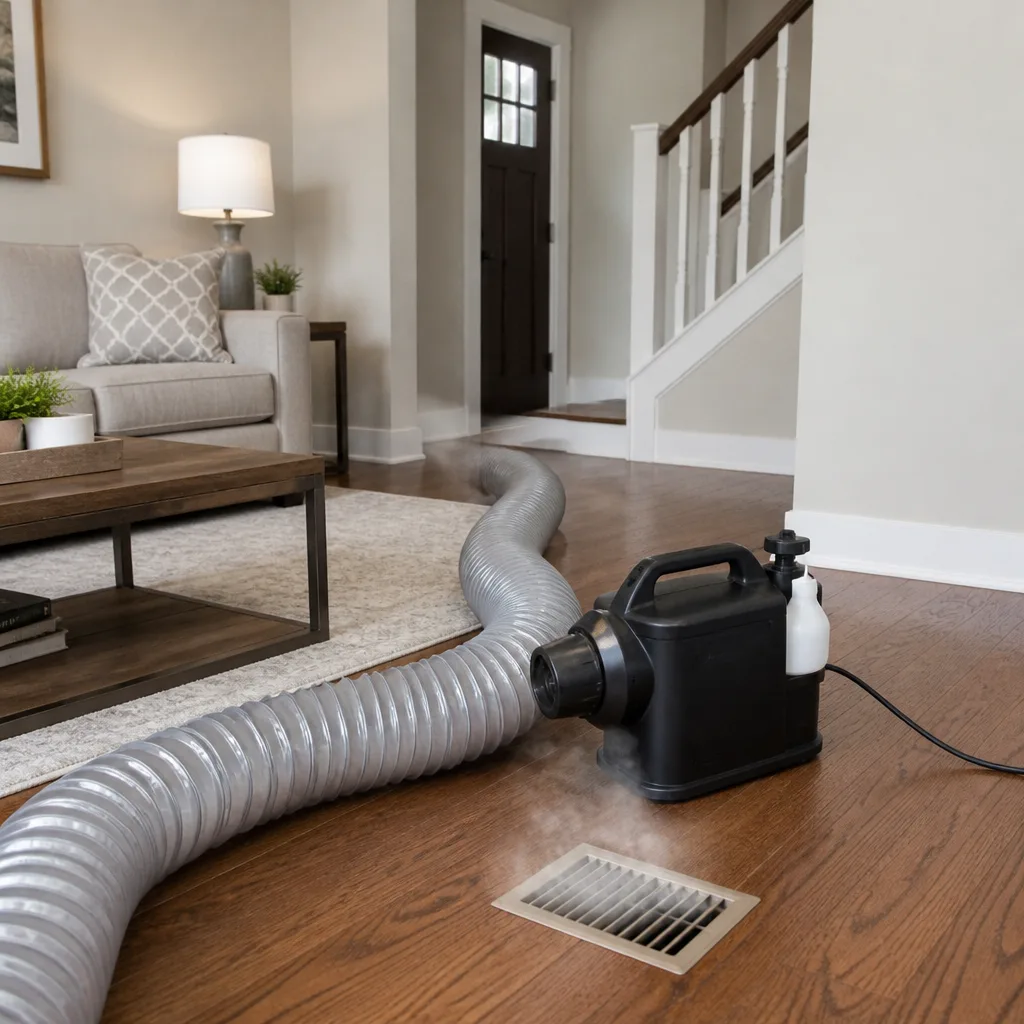 Sanitizing & deodorizing
Whole-system duct and dryer vent check with before-and-after photos - you see exactly what came out of your vents
That "$99 whole-house special" is a bait ad - the real number appears once they are in your hallway, or the "clean" is a shop-vac at the register. We photograph the inside of your ducts before and after instead.
Air Duct Cleaning Permits, Codes & Inspections in North Charleston, SC: What You Need to Know
Most homeowners assume duct cleaning is a permit-free service, and for a straight cleaning, they’re usually right. The surprise is what happens when the job grows. The moment a technician opens a duct wall, replaces a flex run, or reseals a plenum near your air handler, you’ve crossed from maintenance into mechanical work. In South Carolina, that line matters, and in North Charleston it matters more than most contractors explain. If your last duct cleaning company patched a trunk line or swapped a flex section without mentioning a permit, you may have unpermitted work sitting inside your walls right now. This guide walks through exactly where that line falls, how North Charleston’s permit process works for HVAC-adjacent repairs, what a home sale inspection will find, and how to ask the right questions before anyone starts.
Quick Answer
Routine air duct cleaning in North Charleston does not require a permit. Cleaning is maintenance: agitating and extracting debris from the ducts that already exist. Replacing flex duct, cutting into a trunk line, modifying a plenum, relocating a register, or doing anything that changes the mechanical system requires a mechanical permit from the City of North Charleston before work begins. Repairs that return ductwork to its original, undamaged condition fall into a gray area that depends on scope, which is why the written scope of work matters more than the price on the invoice.
Styles & brands we work with
- Whole-home duct cleaning
- Dryer vent cleaning
- Camera inspection
- Sanitizing & deodorizing
Table of Contents
- Where cleaning ends and mechanical work begins
- What South Carolina’s residential mechanical code actually says
- How the North Charleston permit process works for duct repairs
- How to verify that work was filed and inspected
- What a home sale inspection finds, and who’s liable
- How to ask a contractor if their scope crosses the line
- DHEC indoor air complaints versus municipal building inspection
- Common mistakes to avoid
- When to call a professional
Where Does Cleaning End and Mechanical Work Begin?
The dividing line is simple to state and easy to blur in practice. Cleaning removes what’s inside the duct without changing the duct. Mechanical work alters, replaces, or connects parts of the system. One is maintenance. The other is regulated construction.
Straight cleaning is the safe case. Rotobrush rotary brushes agitate debris from the duct walls, and Nikro HEPA extraction pulls it out under vacuum. Nothing is cut, nothing is disconnected beyond the access points needed to reach the duct interior, and the system is left exactly as it was built. No permit is involved because nothing about the mechanical system changes.
The picture shifts when a technician reports that a flex duct is torn, a trunk line joint has separated, or the plenum at the air handler has come loose. Repairing those components is not cleaning, and in most South Carolina jurisdictions it’s treated as mechanical work. Watch for these scope changes that pull a job into permit territory:
- Replacing a length of flex duct, even a short one
- Cutting into or splicing a trunk line or main run
- Rebuilding, resealing, or replacing a plenum connection at the air handler
- Adding, moving, or removing a supply or return register
- Reconnecting ductwork to a newly installed air handler or furnace
- Changing the size or routing of any part of the duct system
Some of these are small jobs. That doesn’t change their classification. A ten-foot flex run replacement and a full trunk line rebuild carry the same permit question in North Charleston, and the answer depends on how the code and the local building department read the scope, not on how long the work takes.
What Does South Carolina’s Residential Mechanical Code Actually Say?
South Carolina adopts the International Residential Code with state amendments, and the mechanical chapters of the IRC govern duct systems in one- and two-family homes. The code’s concern isn’t the act of cleaning; it’s the integrity of the mechanical system after the work is finished. Any change to the duct system has to leave the home with ductwork that meets material standards, clearances, support requirements, and sealing rules.
For homeowners, the practical translation is this: duct material has to be approved for the application, joints have to be sealed, supports have to be in place, and the assembly has to be safe near heat sources. A permit creates the paper trail that proves a licensed professional confirmed those requirements were met. Without a permit, you have a claim that’s difficult to verify.
What qualifies as a repair that returns the system to its original condition
Some jurisdictions treat a like-for-like repair as maintenance and skip the permit. Others require a permit anytime ductwork is opened and reassembled. North Charleston sits somewhere in this spectrum based on how the scope is described on the application, which is why the written scope is the single most important document you’ll receive from a duct contractor.
- Probably maintenance: resealing an accessible joint with approved mastic, replacing a filter grille, adjusting a damper
- Probably mechanical work: replacing flex duct, rebuilding a plenum, adding a run, relocating a register, connecting to new equipment
- Depends on scope and municipality: repairing a single disconnected joint, replacing a short section of rigid duct, extending a run by a few feet
The best answer to “does this need a permit?” in North Charleston is a phone call to the city’s building department with the specific scope in hand. A reputable contractor will make that call or give you the language to make it yourself. Our technicians have up to 8 years of experience, and in that time the pattern has been consistent: contractors who volunteer permit questions before the work starts are the ones who stand behind it afterward.
How Does the North Charleston Permit Process Work for Duct Repairs?
Mechanical permits for residential duct work in North Charleston go through the city’s building department, and the process is the same one that governs HVAC permits generally. If your duct repair crosses into mechanical work, here’s how the sequence runs:
- Scope is written down. The contractor describes what will be removed, replaced, or added, and where, on the permit application. Vague scopes (“duct repair”) get rejected or bounced back for more detail.
- The application is filed with the city. Who files depends on the arrangement – some homeowners file as owner-builders, most use the licensed mechanical contractor’s license to pull the permit.
- Permit is issued, work is scheduled. Nothing should be installed before the permit is issued. A contractor who starts cutting and promises to “paperwork it later” is creating a problem for you, not for themselves.
- Rough-in inspection happens before the ductwork is closed up. If a wall has to be opened, or if an inspector needs to see connections, supports, or sealant, that inspection happens before the drywall goes back on.
- Final inspection happens at completion. The inspector verifies the finished system against the approved scope. Failures get a written punch list and a re-inspection.
Timelines vary with volume at the city. What surprises most North Charleston homeowners is how quickly a “small fix” crosses into permit territory during a cleaning. A flex duct that looked fine through an access port turns out to be torn at the collar once the technician is inside the run, and the cleaning appointment becomes a repair estimate. That’s normal. What shouldn’t be normal is the repair going forward without a permit conversation.
How Do You Verify Duct Work Was Actually Filed and Inspected?
Verification is a paper trail matter, and in North Charleston you can usually confirm it whether or not the contractor volunteers the information.
Documents to request
- The permit number, if a permit was pulled for the work
- A copy of the issued permit showing the scope and the licensed contractor
- Inspection records (pass or fail, with dates)
- Final closeout paperwork, if your municipality issues it
Records to check with the city
If the contractor can’t produce the permit number, call the City of North Charleston building department directly. They can look up permits by address. If a permit exists, they’ll tell you the status: issued, inspected, finaled, or expired. If no permit exists and the scope clearly required one, you now have a decision to make about how the work moves forward.
Home sale inspections are where this verification happens whether or not you’ve prepared for it. A buyer’s inspector who finds a newer flex duct rough-taped to a trunk line will ask for the permit. If nobody can produce one, the work becomes an item on the repair negotiation or an objection the buyer’s lender has to work around.
A third path: contractor confirmation
A contractor who does permit-requiring work routinely will have a process for it, not a story about it. Ask directly: “If this repair needs a permit, who pulls it, and will you provide the number?” An uncomfortable pause is the answer. The written invoice should reference the permit when one applies, and the final scope should match the approved one. If a contractor’s cleaning quote turned into a repair and no permit paperwork followed, ask now rather than at closing.
What Happens at a Home Sale Inspection If Unpermitted Duct Repairs Are Found?
Unpermitted mechanical work discovered at a North Charleston home sale almost always becomes a negotiating item, and sometimes a bigger problem than the original repair. Home inspectors document what they can see: newer duct material, fresh mastic, repaired joints, added registers. What they can’t see – whether the work was permitted, whether it met code, and whether the installer was licensed – becomes a question for the seller to answer.
Three outcomes follow, and none of them are pleasant:
- The buyer’s agent requests documentation. If the seller can’t produce a permit or a contractor’s license reference, the buyer may price the work into a repair credit and hire their own contractor to redo it.
- The buyer’s lender flags it. Some loan programs require evidence that recent mechanical work is permitted, and a sale can be delayed while that gets resolved.
- The work has to be retroactively permitted. In some cases the current owner has to file a permit, open walls if needed, and pass inspection – work nobody planned to budget for.
Liability follows the chain of work. The original contractor is the primary party when their installation fails inspection, but the homeowner who hired the work and accepted it without documentation bears the practical burden at closing. North Charleston homes sell quickly, and a buyer’s inspector will absolutely notice ductwork that looks newer than the rest of the system. The old repair that seemed like a favor from your cleaning company is now a problem in a disclosure document.
We’ve seen the pattern across North Charleston neighborhoods like Park Circle, where homes routinely change hands, and in the newer subdivisions off Dorchester Road, where added flex duct runs after move-in are common. A permit number in a folder is worth more at closing than any handshake reassurance. The full-system team at Sunstone Air Duct Cleaning works duct repairs on the permit-conscious model, because a clean install without paper isn’t finished.
How Do You Ask a Contractor If Their Scope Crosses Into Permit Territory?
Ask before work starts, and ask in writing. The verbal question is fine for a first conversation, but the answer needs to live on paper so it survives a home sale, an insurance claim, or a dispute. Here’s how to phrase it:
- “Will any of this work change the duct system, or is it all cleaning?” Get the answer in writing and connect it to a specific line in the quote.
- “Does this scope require a mechanical permit in North Charleston?” If the answer is “probably not,” ask them to confirm that judgment in writing and explain the basis.
- “If a permit is required, who pulls it and will you provide the number?” The wrong answer is a shrug. The right answer is a name, a license, and an explanation of what happens at inspection.
- “Who performs the actual repairs – your team, or a subcontractor?” A clean, direct answer matters more than the answer itself. Duct cleaning companies that sub out repairs to an HVAC company create two scopes and sometimes zero permits.
- “If you find a damaged flex duct during cleaning, what happens next?” This question separates contractors who plan for repair from those who plan to invoice the surprise. A company that also offers air duct cleaning as a core service should be able to answer both steps in one scope.
A contractor who works within their scope – cleaning when the job is cleaning, and opening a proper permit when the job is a repair – will welcome these questions. A contractor who treats them as an insult is telling you something about how they operate. Professional-grade equipment, written scopes, and permit discipline travel together; improvised tools and improvised permits usually do too.
What Role Does DHEC Play in Indoor Air Quality Complaints?
DHEC is not the agency that inspects ductwork, and this is one of the most misunderstood parts of the process. The South Carolina Department of Environmental Services (the agency that absorbed DHEC’s environmental programs) manages outdoor environmental quality – air, water, land, and public health programs tied to those. It does not perform mechanical inspections inside a home and it will not respond to a complaint about contaminated duct air.
Indoor air quality complaints in North Charleston follow a different path depending on what the complaint actually is:
- Visible mold growing from ducts or a musty smell not explained by leaks: a remediation or IAQ assessment is usually the right first call, and a professional-grade filter system like those from Aprilaire or a servicing arrangement for a Honeywell whole-home air unit can address the mechanical side of the problem.
- Suspicion that a contractor did unpermitted or unsafe work: this goes to the City of North Charleston building department, not to an environmental agency.
- Disputes over the work itself – incomplete cleaning, damage during service, cost disputes: this is a licensing board or consumer protection matter, resolved by the South Carolina contractor licensing authority for the trade involved.
The line matters because the response is different in each case. An environmental agency won’t issue a violation notice for a permit violation, and a building inspector won’t tell you whether your duct air is safe. If a company tells you DHEC will handle an indoor duct complaint, that’s a sign the complaint process wasn’t understood.
Common Mistakes to Avoid
- Accepting a “repair” with no scope in writing. If the invoice says “duct repair” with no description of what changed, you have no record of what was done or what inspection should have covered. Ask for a written scope on every repair line item, no exceptions.
- Assuming duct cleaning always needs a permit, or never does. Both assumptions cause problems. Cleaning doesn’t require one; modifying the system almost always does. The line depends on scope, so get the scope in writing and use that to make the call.
- Hiring a cleaning company that doesn’t offer repair. Single-service companies often find damage and hand it to an HVAC subcontractor with no communication back to you about permits. A company that offers dryer vent cleaning as its own service, rather than booking it to a third party, is at least used to owning the whole scope.
- Confusing DHEC with the building department. A complaint about unpermitted duct work goes to the city; an environmental agency is the wrong door and you’ll lose weeks getting bounced between offices.
- Skipping the permit conversation because the price is low. Unpermitted work usually costs less up front because the contractor is skipping the paperwork and letting the inspection burden fall on you. The savings become a negotiation problem at the home sale.
- Not keeping the permit closeout. Even when the contractor pulls the permit, the paper trail is only valuable if you have it. Keep the permit number, the inspection passes, and the contractor’s license reference with your closing documents.
- Trusting a verbal “no permit needed” from a company with no repair experience. A cleaning subcontractor isn’t the right person to determine whether a duct repair crosses into mechanical work. Ask a licensed mechanical contractor or call the city directly.
When to Call a Professional
Call a professional when a duct cleaning quote balloons into a repair conversation and nobody has explained the permit landscape. That’s the right moment to pause and ask. Call when your home inspector flags recently modified ductwork and you can’t produce a permit number, when a previous contractor’s work is failing at the joints, or when you can see a flex duct disconnected, crushed, or taped together in a way that’s held for a season or two but never felt right. Call when you’re planning a sale in the next year and want the mechanical paperwork clean before a buyer’s inspector starts asking. Call when the allergy season in the Lowcountry’s humid summers makes you question whether the ducts themselves are part of the problem and the previous work isn’t documentated. Sunstone Air Duct Cleaning offers free estimates in North Charleston – call (855) 683-7582. We answer 24/7. Fast dispatch from 7am to 7pm, Sunday through Friday.
Our scope is three services – air duct cleaning, air duct repair, and dryer vent cleaning – and we talk about the permit line before the repair starts, not after. That’s the standard we’d want held for us.
See the difference
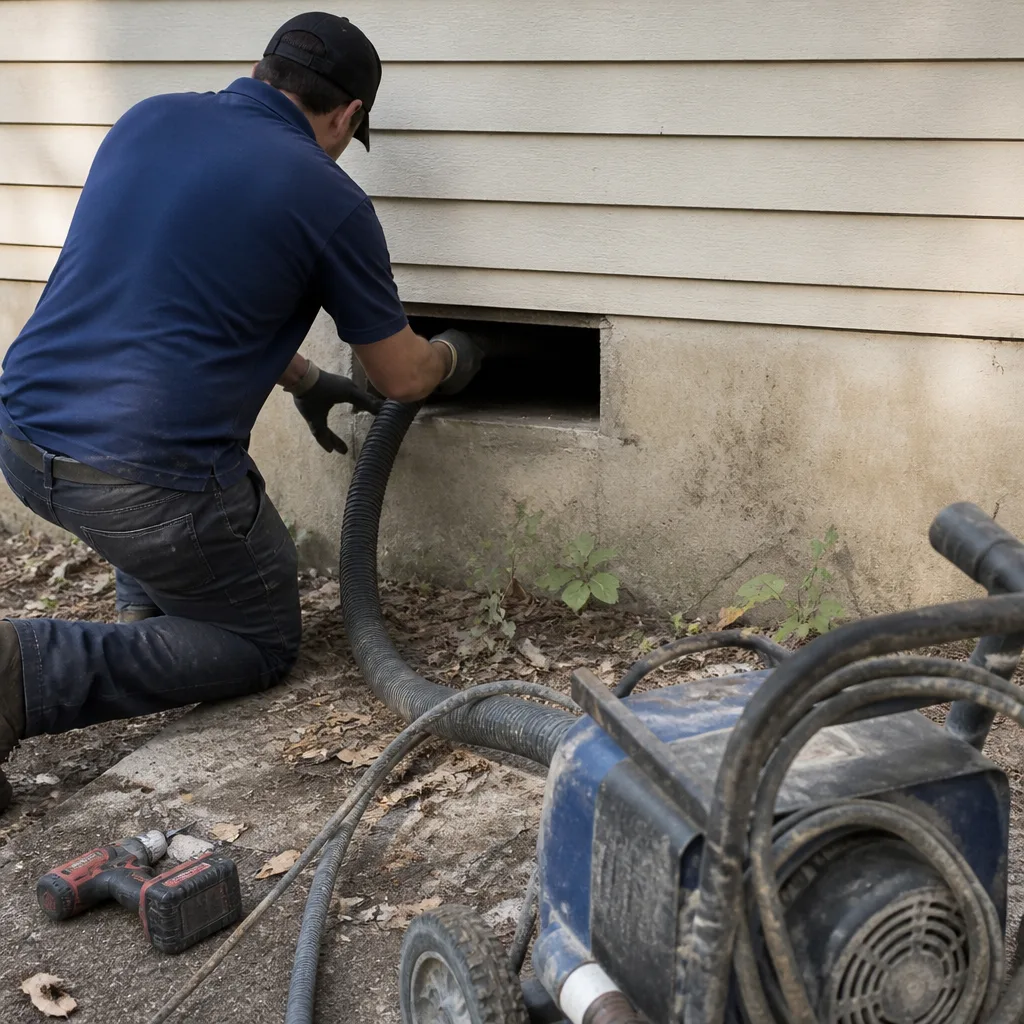 Before
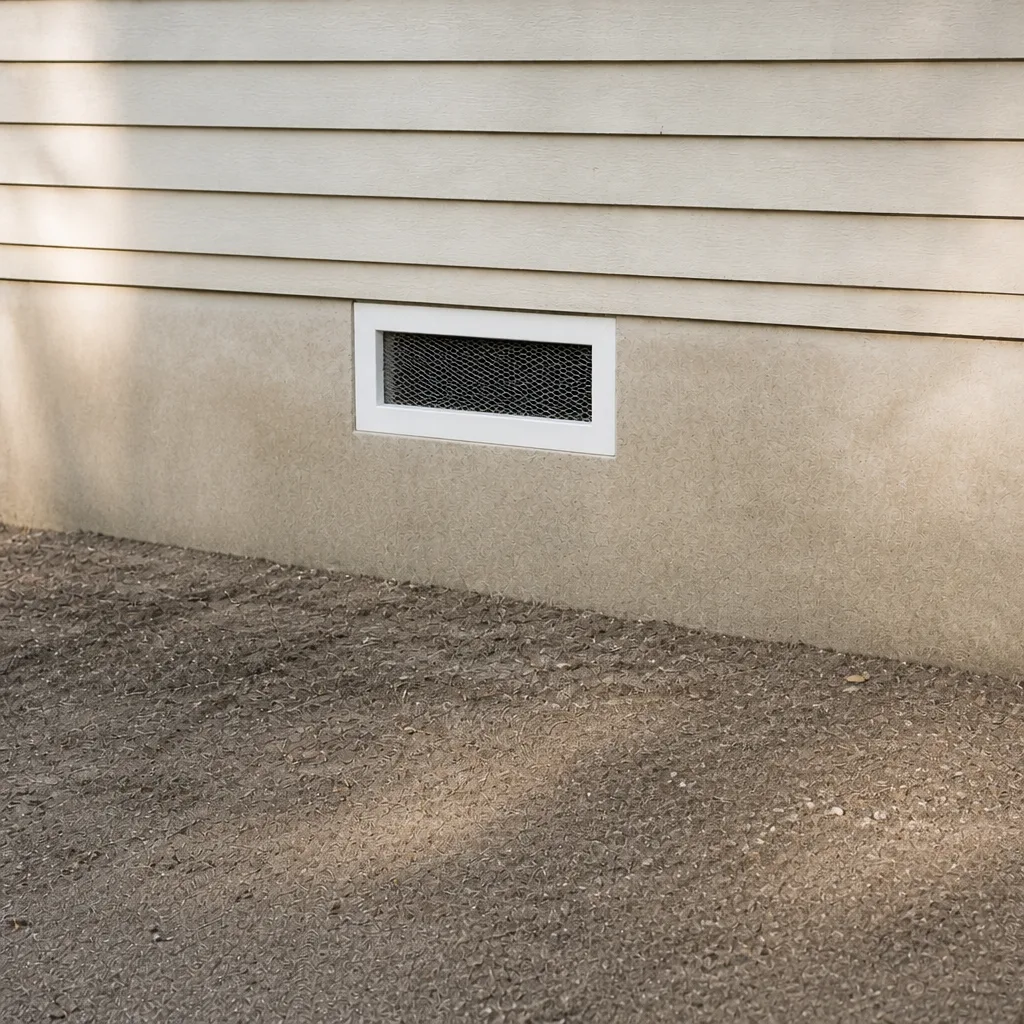 After
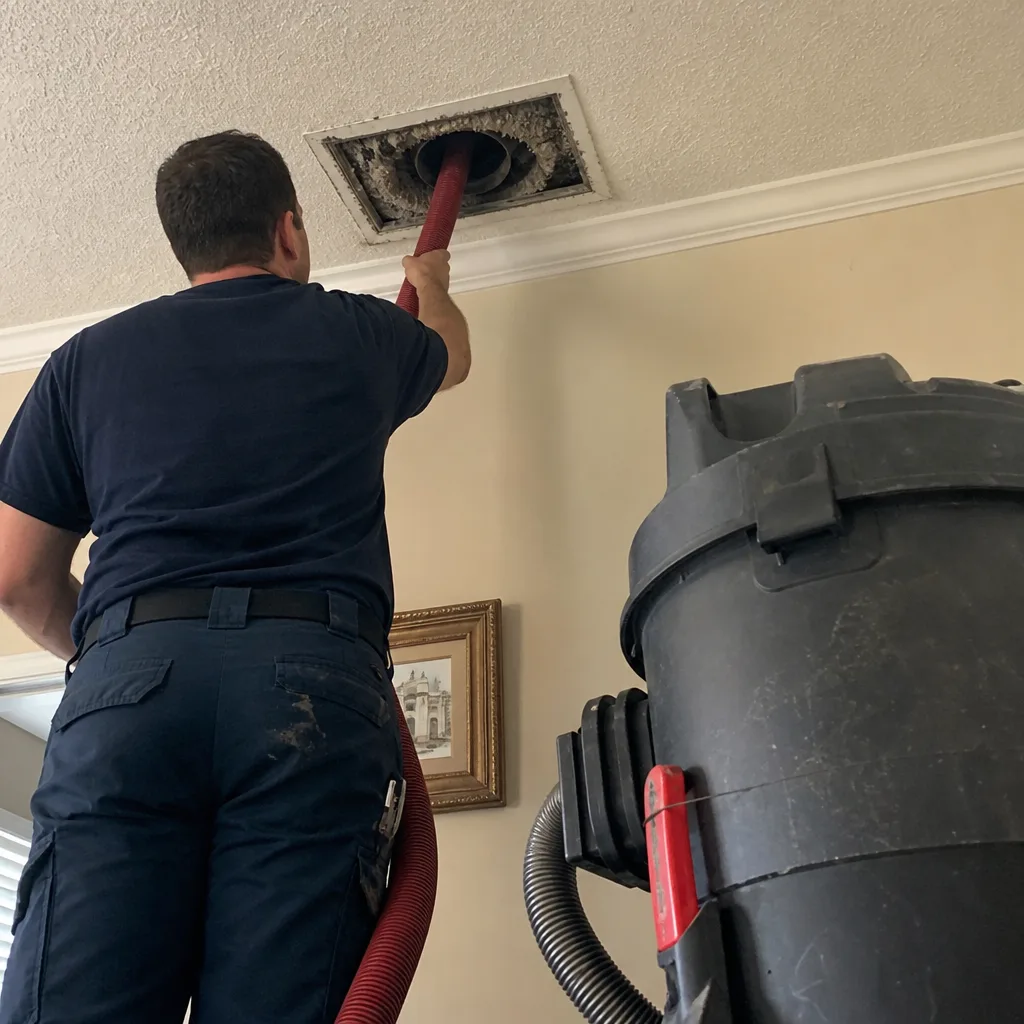 Before
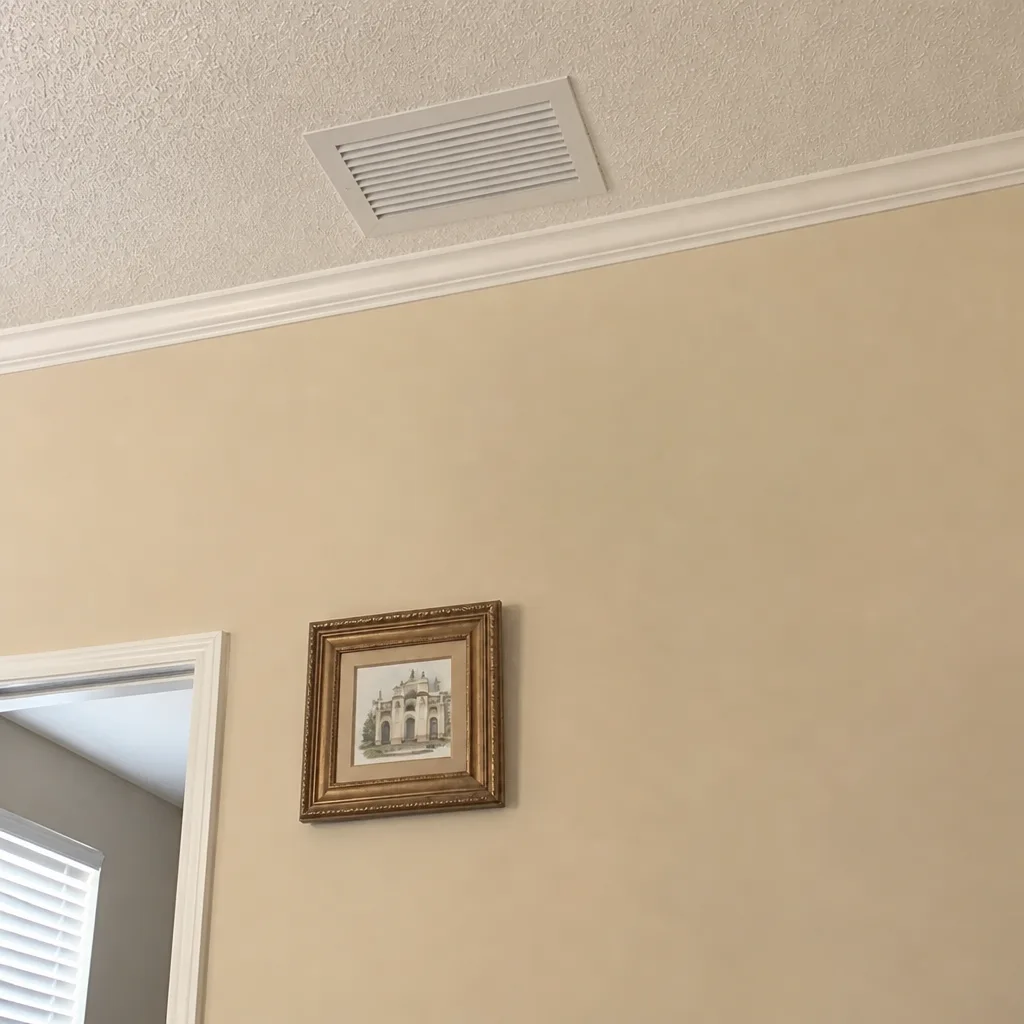 After
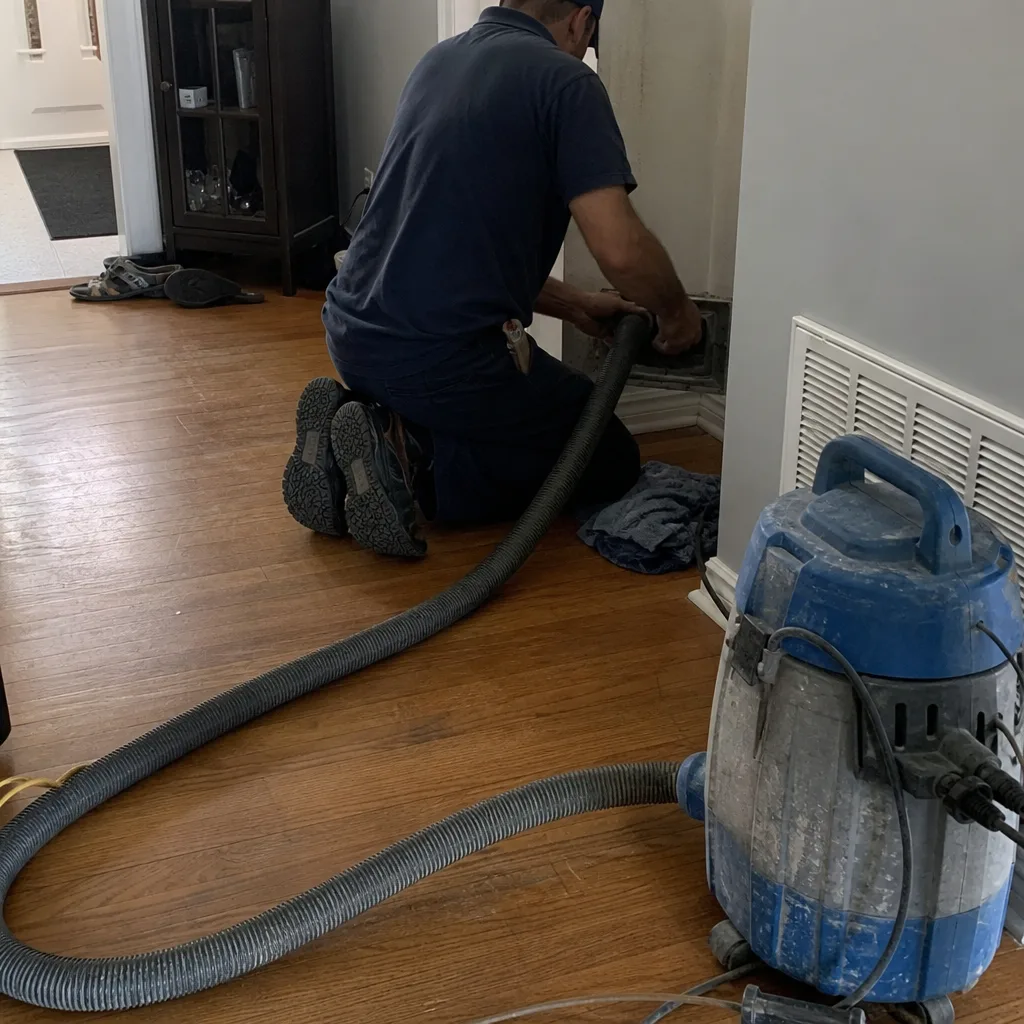 Before
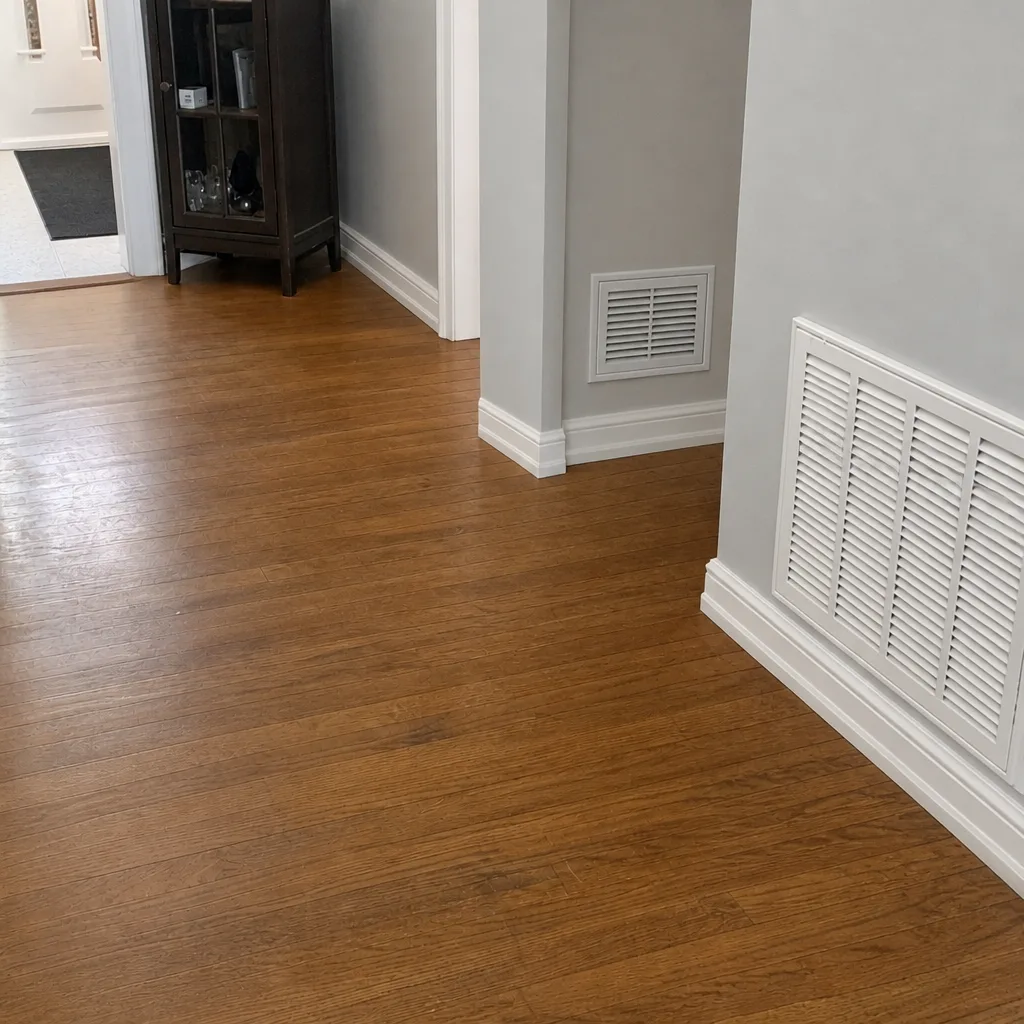 After
Frequently Asked Questions
No. Routine cleaning that agitates and extracts debris from existing ducts is maintenance in North Charleston and South Carolina; no mechanical permit is required. The permit question only arises when the scope crosses into replacing, adding, or reconnecting ductwork. If a contractor’s quote includes those line items, ask about the permit. Call (855) 683-7582 for an exact quote on cleaning and repair – estimates are free.
Cleaning changes what’s inside the duct; repair changes the duct itself. Rotobrush rotary brushing and Nikro HEPA extraction are cleaning methods – they agitate and remove debris without modifying the system. Replacing flex duct, rebuilding a plenum, splicing a trunk line, or adding a register modifies the mechanical system, and that work is regulated construction under South Carolina’s residential mechanical code. Ask any contractor to describe their scope in writing so you can see which category their work sits in.
Yes, you can clean your own ducts without a permit – nothing in South Carolina law prevents it. But the moment you climb into an attic to remove or replace a flex run, or cut into a duct trunk line, you’re outside the scope of DIY and into mechanical work. The safety picture matters here: flex duct under tension, attic temperatures above 100 degrees in North Charleston summers, and the risk of injuring the system’s seal aren’t better tackled by a homeowner than by a trained technician. Our technicians have up to 8 years of experience and will tell you when a job belongs to a licensed repair professional.
The work becomes a negotiating item, sometimes a delay, occasionally a required retrofit. A buyer’s inspector will note ductwork that looks newer than the rest of the system and ask for the permit. Sellers who can’t produce one often have to allow a repair credit or file a retroactive permit and open walls to pass inspection. If you’re planning to sell, find any duct repair paperwork now, before the listing goes live, and call (855) 683-7582 if you need the work redone by a team that files it properly.
Ask for the permit number, then confirm it with the City of North Charleston building department directly. They track permits by address and can tell you whether one was issued, whether inspections passed, and whether the permit finaled. A reputable contractor should be able to give you the number and produce inspection records. If they can’t, the work is probably not permitted, and calling the city directly is the fastest path to certainty.
No. South Carolina’s environmental agency handles outdoor environmental quality – air, water, land, and public health programs tied to those – not mechanical inspections inside homes. Indoor air quality complaints about ductwork in North Charleston go to the city’s building department if the issue is unpermitted or unsafe work, and to the contractor licensing authority if the issue is incomplete or poor-quality work. A remediation or IAQ assessment is the right call if visible mold or persistent musty odor is the concern. If you’re unsure what category your issue falls into, call (855) 683-7582 and we’ll help you figure out the right door.
Where Should North Charleston Homeowners Look Next?
For North Charleston homeowners, the permit question has a simple test: is the work changing the duct system, or just cleaning inside it? Cleaning stays in the maintenance lane. Replacing, adding, splicing, or reconnecting ductwork crosses into mechanical work that requires a permit from the city, and the paper trail matters at inspection, at a home sale, and if a repair dispute ever comes up.
Verify by asking three questions of any contractor – is this cleaning or a repair, does it need a permit, and who pulls it – and get the answers in writing. Keep the permit closeout with your closing documents. Understand that DHEC isn’t the agency to call about indoor duct complaints, and that the home sale inspection is the moment unpermitted work becomes expensive. North Charleston neighborhoods like Park Circle and the subdivisions off Dorchester Road change hands regularly, and the paperwork you have matters more than the price you paid.
If you’re looking at a duct repair and want the permit conversation handled before the work starts, we handle North Charleston with a written scope, a licensed repair process, and cleaning methods built on professional-grade equipment. Our three-service scope keeps the whole job in one set of hands.
Contact
Sunstone Air Duct Cleaning handles air duct cleaning, dryer vent cleaning, and air duct repair with a written scope and a flat price per system agreed before work starts. If you’re facing a repair question in North Charleston and want the scope and permit picture explained in plain language, call (855) 683-7582 for a free estimate. We answer 24/7. Fast dispatch from 7am to 7pm, Sunday through Friday.
Written by the team at Sunstone Air Duct Cleaning.