
Last updated November 15, 2026
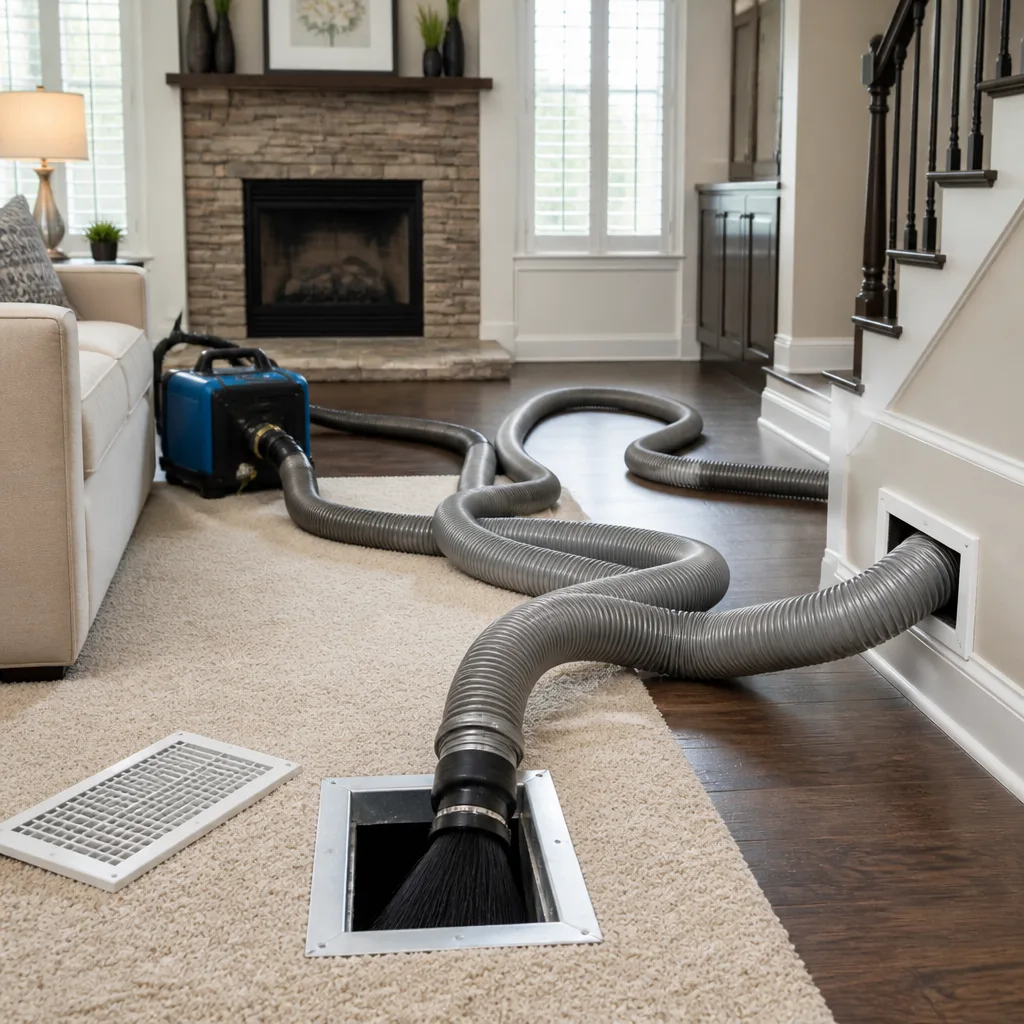 Whole-home duct cleaning
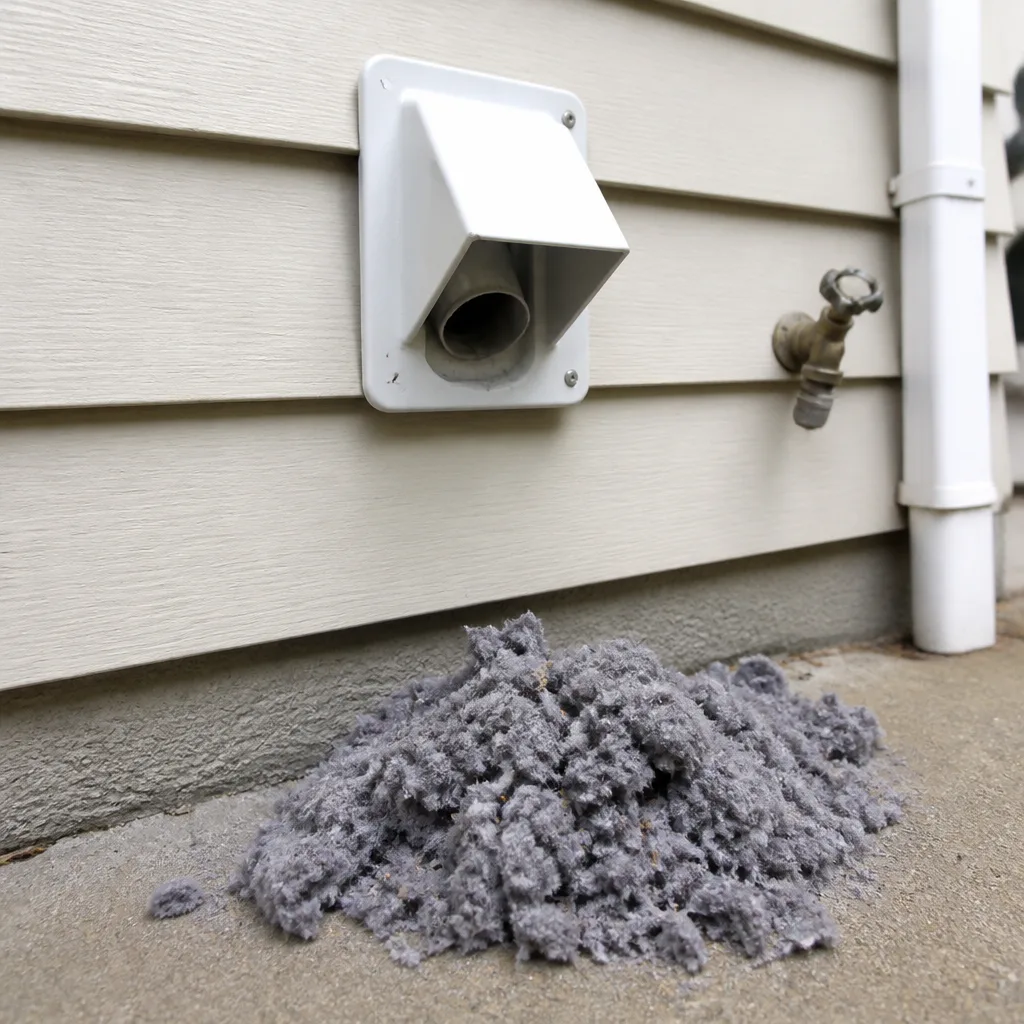 Dryer vent cleaning
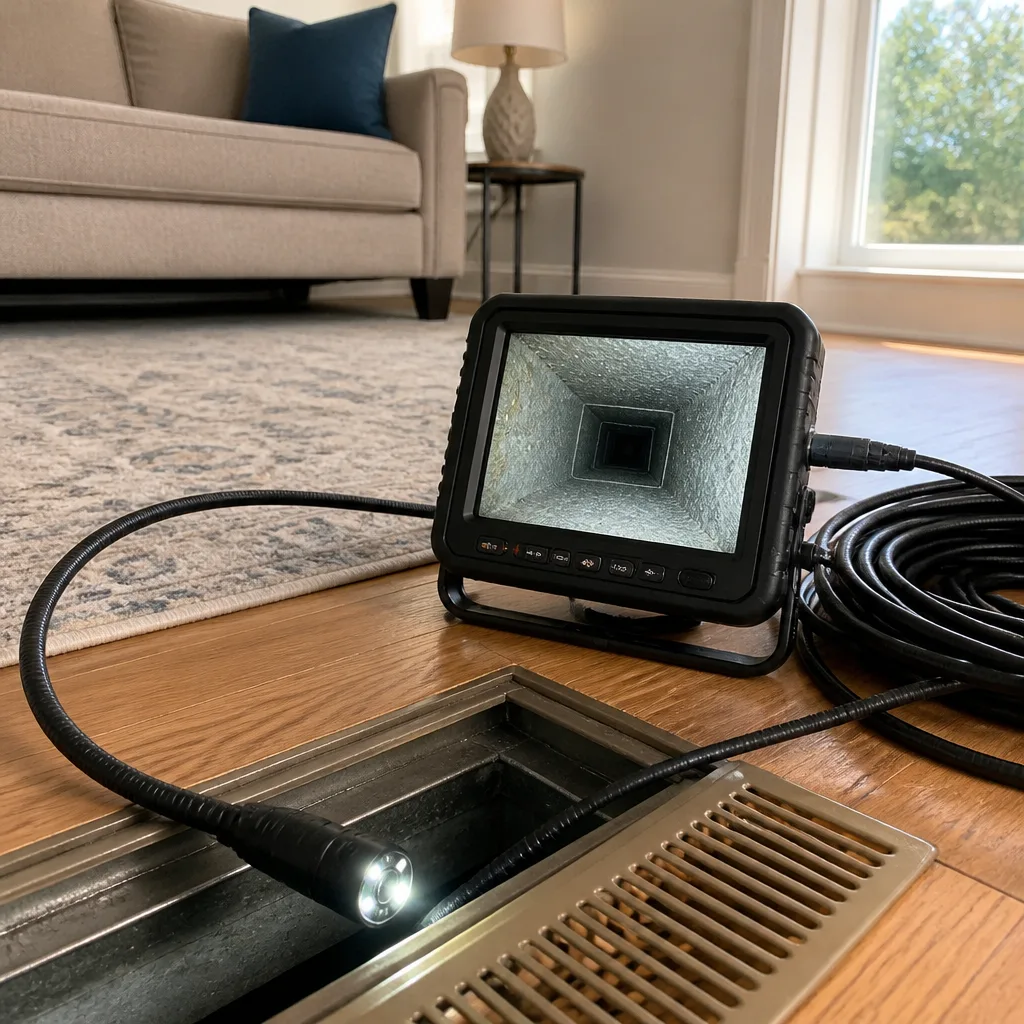 Camera inspection
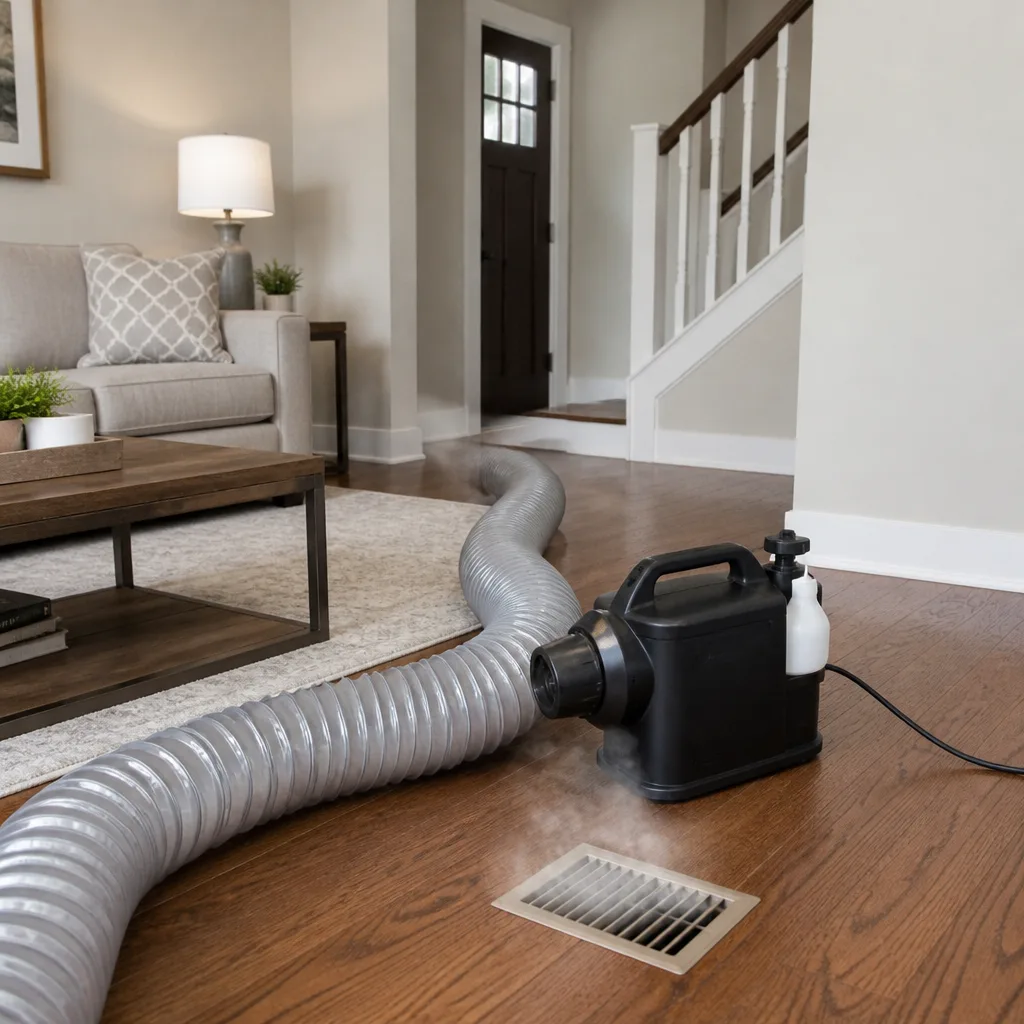 Sanitizing & deodorizing
Whole-system duct and dryer vent check with before-and-after photos - you see exactly what came out of your vents
That "$99 whole-house special" is a bait ad - the real number appears once they are in your hallway, or the "clean" is a shop-vac at the register. We photograph the inside of your ducts before and after instead.
Air Duct Cleaning Maintenance Schedule: What to Do and When
Most homeowners want a number. Every three years, every five years, something to write on the calendar and forget about. That single number is where duct maintenance advice usually falls apart, because the interval that keeps one house clean will be wrong for the house next door. A home with two shedding dogs and a recent kitchen remodel is not on the same schedule as an empty retirement property with a well-sealed system. North Charleston makes this even less tidy. Long cooling seasons, heavy spring pollen, and humid summers load a duct system differently than a dry climate does, which is why a fixed rule copied from a national guideline rarely fits. What you actually need is a schedule you build from your own household’s variables, then adjust with what you see. This guide gives you that framework: baselines, accelerators, seasonal timing, and the between-cleaning habits that keep a system from drifting back to square one.
Quick Answer
For a typical home with average conditions, professional air duct cleaning every three to five years is a reasonable baseline. In North Charleston, add a check after each long cooling season and shorten the interval to roughly every two to three years if you have pets, allergy sufferers, recent renovation dust, or an older leaking duct system. Between cleanings, change filters on schedule, keep registers clean, and check the dryer vent separately.
Styles & brands we work with
- Whole-home duct cleaning
- Dryer vent cleaning
- Camera inspection
- Sanitizing & deodorizing
Table of Contents
- The Baseline Schedule: What “Every 3-5 Years” Really Means
- The Variables That Should Change Your Schedule
- Seasonal Timing in North Charleston: Why Post-Summer Matters
- What to Do Between Professional Cleanings
- How to Track Duct Condition Over Time
- Maintenance Events That Reset the Clock Entirely
- When Cleaning Isn’t the Answer: Duct Repair and the Schedule
- When to Call a Professional
The Baseline Schedule: What “Every 3-5 Years” Really Means
The three-to-five-year figure you see quoted everywhere came from industry guidance written for average conditions. It’s a starting point, not a rule, and it assumes a house with no unusual dust load, a well-sealed duct system, and filters that get changed on time. Those assumptions hold for some homes and quietly fail for plenty of others. Treating the number as fixed is how people end up either cleaning too often out of anxiety or waiting years past the point where the system needed attention.
Here’s a more honest way to read the baseline:
- Three years is the shorter end of the average range. It fits homes with a moderate dust load, a system that’s been maintained, and no significant renovation activity.
- Five years is the longer end, suitable for homes with low occupancy, few dust sources, and a tight, well-installed duct system.
- Outside that range is where you should be. Either the home has variables that push the cleaning sooner, or it’s genuinely low-load and can stretch a little further with good between-cleaning habits.
What makes the baseline useful is that it gives you something to adjust from. Without a starting point, homeowners either never think about it or obsess over it. In our experience, the homes that stay cleanest are the ones where someone knows the baseline, knows which variables apply to their house, and checks the condition of the system at least once a year. The house that never gets looked at is the one that surprises people.
For a more detailed look at what a professional cleaning actually involves, our Sunstone Air Duct Cleaning page covers the equipment and the process. The schedule question is separate from the cleaning question. First you decide when, then you decide who.
The Variables That Should Change Your Schedule
Every household carries at least one variable that shifts its duct maintenance schedule. Some carry three or four, which is why two houses on the same street can need very different intervals. Read through the list below and count how many apply to your home. Each one moves you toward the shorter end of the range.
Pets
A single heavy-shedding dog or cat can push a duct system to the two-to-three-year range. Pet hair and dander settle into register boots and the return side of the system faster than most people realize. Homes with multiple animals, or with pets that spend time indoors most of the day, are the strongest candidates for an accelerated schedule.
Allergy and Respiratory Sensitivity
If anyone in the household deals with allergies, asthma, or other respiratory sensitivity, the calculation changes. The goal isn’t just cleaning frequency; it’s keeping the concentration of airborne particles as low as the system allows. That usually means a shorter interval plus attention to filtration. We see this often in North Charleston homes where spring pollen season is genuinely difficult for allergy sufferers.
Recent Renovation
Any renovation that generates dust (drywall work, sanding, flooring removal, kitchen tear-outs) leaves fine particulate in the air, and some of it always ends up in the duct system. Even with plastic barriers and negative air machines, a renovation can load the ducts enough to justify a cleaning shortly after the work is done. See the reset section below for more on this.
Smoking Indoors
Indoor smoking leaves residue on duct surfaces that ordinary dust doesn’t. Homes with indoor smoking should be on the shorter end of the range and often benefit from a professional assessment before committing to an interval at all.
System Age and Condition
Older duct systems, especially ones with unsealed joints or deteriorated insulation, leak in both directions. That means they pull attic or crawlspace air into the system and lose conditioned air out of it. A leaky system accumulates contamination faster than a tight one, and it also wastes energy. This is where our air duct cleaning work often intersects with repair. Cleaning a leaky system without addressing the leaks is a partial fix.
Occupancy and Use
A home that’s occupied most of the day, with cooking, hobbies, and general activity, generates more dust than a home that sits empty for much of the week. Two households of the same size can carry very different dust loads simply because of how they live in the space.
| Household Variable | Suggested Interval | What Shifts It |
|---|---|---|
| Average home, no special factors | 3 – 5 years | System condition, filter habits |
| One or more shedding pets | 2 – 3 years | Number of pets, indoor time |
| Allergy or respiratory sensitivity | 2 – 3 years | Pollen season exposure, filtration |
| Recent renovation | Clean shortly after work | Scope of dust-generating work |
| Indoor smoking | 2 – 3 years | Residue accumulation |
| Older or leaky duct system | 2 – 3 years, plus repair | Leak severity, insulation condition |
If two or more of these apply to your home, plan on the shorter end of the range. If three or more apply, treat duct maintenance as a two-to-three-year cycle and check the system visually once a year. The written estimate from a professional will confirm what the system actually needs once it’s inspected.
Seasonal Timing in North Charleston: Why Post-Summer Matters
Timing matters as much as frequency, and in this region the calendar works against the standard advice. North Charleston homes run the air conditioning for a long stretch of the year. That means months of continuous airflow through the duct system, pulling in dust, pollen, and moisture-laden air. By the time cooler weather arrives, the ducts have accumulated a full season of load. Cleaning early in the spring means you start the heavy cooling season with a clean system, but it also means the system carries whatever the summer brings for the rest of the year. There’s a stronger case for scheduling in the transitional window after the long cooling season winds down.
Here’s how a North Charleston maintenance year tends to break down:
- Spring pollen peak: Pollen enters through returns and open windows. Filtration matters most during this stretch. Registers near entry doors pick up visible buildup quickly.
- Peak cooling season: The system runs constantly, moving air through the ducts for weeks at a time. Humidity inside the system can promote microbial growth if moisture gets in.
- Post-summer transition: This is the strategic window. The ducts have carried a full season of particulate load, and cleaning now removes what’s accumulated before the system settles into a lighter-use period.
- Cooler months: If the system also handles heating, duct usage continues but at a different pattern. Filter changes and register checks stay important during this stretch.
The humidity factor is worth pausing on. North Charleston summers are humid, and humid air moving through a duct system can leave condensation on cold surfaces inside the ducts. That moisture is what turns ordinary dust accumulation into something more concerning. Post-summer cleaning removes the material that built up during the humid stretch, which is exactly when it matters most. For the cleaning itself, the service page covers what we do and how the equipment handles it. What matters here is timing: after summer, not before it.
What to Do Between Professional Cleanings
The professional cleaning is the anchor of the schedule, but what happens between cleanings determines whether the interval holds or gets cut short. These are the tasks that belong in the homeowner’s routine, separate from the professional visit.
Filter Changes
The single most effective between-cleaning habit is changing the filter on schedule. A clogged filter restricts airflow, forces the system to work harder, and allows dust to bypass around the filter edges and into the ducts. In North Charleston, spring pollen season may call for a shorter filter interval than the manufacturer suggests, simply because the filter loads faster. Pay attention to how the filter looks at the two-month mark; if it’s already visibly loaded, shorten the interval. When upgrading filtration, check the system’s rated capacity first. A filter that’s too restrictive for the blower can reduce airflow enough to cause problems elsewhere. If you work with Honeywell or Aprilaire filtration equipment, follow the manufacturer’s recommendation for your specific setup.
Register and Return Wipe-Down
Registers and return grilles collect dust on the surface, and visible buildup there is a signal that the system is pulling material in. Wipe them down periodically with a damp cloth. It takes a couple of minutes and keeps surface dust from being drawn into the ducts. Pay particular attention to returns near entry doors and in high-traffic areas.
Dryer Vent Check
Dryer vent maintenance runs on its own schedule, separate from the air duct system, and it’s a fire-safety matter rather than a comfort one. A clogged dryer vent restricts airflow and lets lint accumulate near the dryer. That’s a genuine hazard, which is why we treat dryer vent cleaning as its own recurring service. Check the exterior vent flap periodically. If it doesn’t open fully when the dryer runs, or if the drying cycle is taking noticeably longer than usual, it’s time for a professional cleaning. Lint accumulation inside the vent is one of the leading causes of residential dryer fires, and it’s entirely avoidable.
Quick Visual Walks
Once or twice a year, walk through the house and look at the registers and returns. If you see visible dust on the grilles, or if you notice a musty smell when the system runs, make a note. These observations are the raw material for the condition tracking described in the next section.
How to Track Duct Condition Over Time
A maintenance schedule that runs on the calendar alone is arbitrary. A schedule built on evidence from your own system is one you can actually trust. You don’t need special equipment to track condition; you need to know what to look at and to check it consistently.
The Visual Benchmarks That Matter
- Register surfaces: A thin film of dust returns quickly after cleaning in a normal home. A heavy, visible layer within a few weeks is a signal worth investigating.
- Return grille buildup: Returns do more work than supply registers. Consistent buildup on return grilles is a reliable early indicator.
- Filter loading rate: If filters load faster each cycle, the system is likely pulling in more particulate than before. That can point to leaks or to a change in the home’s dust load.
- Odor when the system starts: A musty or dusty smell at startup is a sign of accumulated material in the ducts. It often shows up first in humid weather.
- Airflow at registers: A noticeable drop in airflow at a particular register, compared with others, can point to a blockage or a disconnected duct run. This is a case where air duct cleaning should come with a repair assessment.
- Visible dust after cleaning: If you’ve just had the system professionally cleaned and dust appears at the registers within days, the cleaning may have been incomplete or there may be a leak pulling new particulate in.
Building a Simple Log
Keep a note on your phone or a notebook. On each annual check, record the date, what the registers look like, how long the filter took to load, and any odor or airflow changes. After two or three years, you’ll have a pattern. You’ll know whether your home is holding its cleaning schedule comfortably or drifting toward a shorter interval. That’s the difference between a calendar and a maintenance plan. The evidence tells you when to move.
When you do schedule the professional cleaning, ask for before-and-after photos of your own ducts. A written estimate confirms the price, and the photos confirm the work. Both are part of keeping the record honest.
Maintenance Events That Reset the Clock Entirely
Some events change the timing without regard to where you are in the interval. When one of these happens, treat it as a fresh start rather than waiting for the calendar to catch up.
Water Intrusion
Roof leaks, plumbing failures, or storm-driven moisture that reaches the duct system can turn accumulated dust into a microbial concern. In North Charleston, summer storms and the occasional severe weather event make this a realistic scenario. If water has gotten into the ducts, the proper response is inspection and remediation, not waiting. Cleaning and, if necessary, repair should follow a moisture event promptly.
Rodent or Pest Evidence
Signs of rodents or other pests in the duct system reset everything. Droppings, nesting material, or a visible entry point mean the ducts need a professional assessment regardless of when they were last cleaned. This isn’t a wait-and-see situation. It’s also where professional-grade HEPA extraction matters, because you want the particulates captured, not redistributed through the living space.
Renovation Dust
We covered this in the variables section, but it deserves repeating as a reset event. Any dust-generating renovation, from a kitchen remodel to drywall patching, can load the ducts. Schedule a cleaning after the work concludes rather than before.
HVAC Equipment Replacement
If the air handler or furnace is replaced, that’s a natural moment to clean the duct system. The new equipment goes in clean, and the ducts shouldn’t be the weak link. It also makes sense to have the ducts inspected at the same time, since the system is already open and accessible.
Post-Weather Severe Events
After a severe storm with wind-driven rain or debris, it’s worth a check for water intrusion or exterior damage that could affect the ducts. If a return or supply line on the exterior was affected, the system should be inspected before it runs for an extended period.
When any of these events occurs, the schedule starts over from the date of the response. In North Charleston, we see this most often after summer storm seasons and after renovations. The event itself is unpredictable, which is why having a schedule already in place makes the reset easier to fold into.
When Cleaning Isn’t the Answer: Duct Repair and the Schedule
Cleaning removes contamination. It doesn’t fix a leaking or damaged duct system, and a lot of homes need both. This is where a single-service approach falls short: cleaning a system with leaks and disconnected runs means the ducts will re-contaminate faster and the schedule will never hold. Our capability covers repair alongside cleaning, which matters for anyone building a realistic maintenance plan.
The signs that repair belongs on the schedule:
- Visible gaps or disconnections at joints, especially in accessible attic or crawlspace runs.
- Deteriorated or torn duct insulation.
- Uneven airflow between rooms, suggesting a disconnected or crushed run.
- Higher energy bills alongside visible dust, which can point to leakage.
- Debris or construction material found inside the ducts during a cleaning.
When these issues are present, the schedule changes. The cleaning comes first, then repair, then a re-check after the repairs are done. After that, the normal maintenance interval resumes, but from a stronger base. A repaired, sealed system holds its cleanliness longer than a leaky one, which is one reason a full-system approach can save on the maintenance side of things, not just the service call. For properties working with established air quality systems like Aprilaire or similar equipment, addressing duct condition is part of getting the equipment to perform as designed.
See the difference
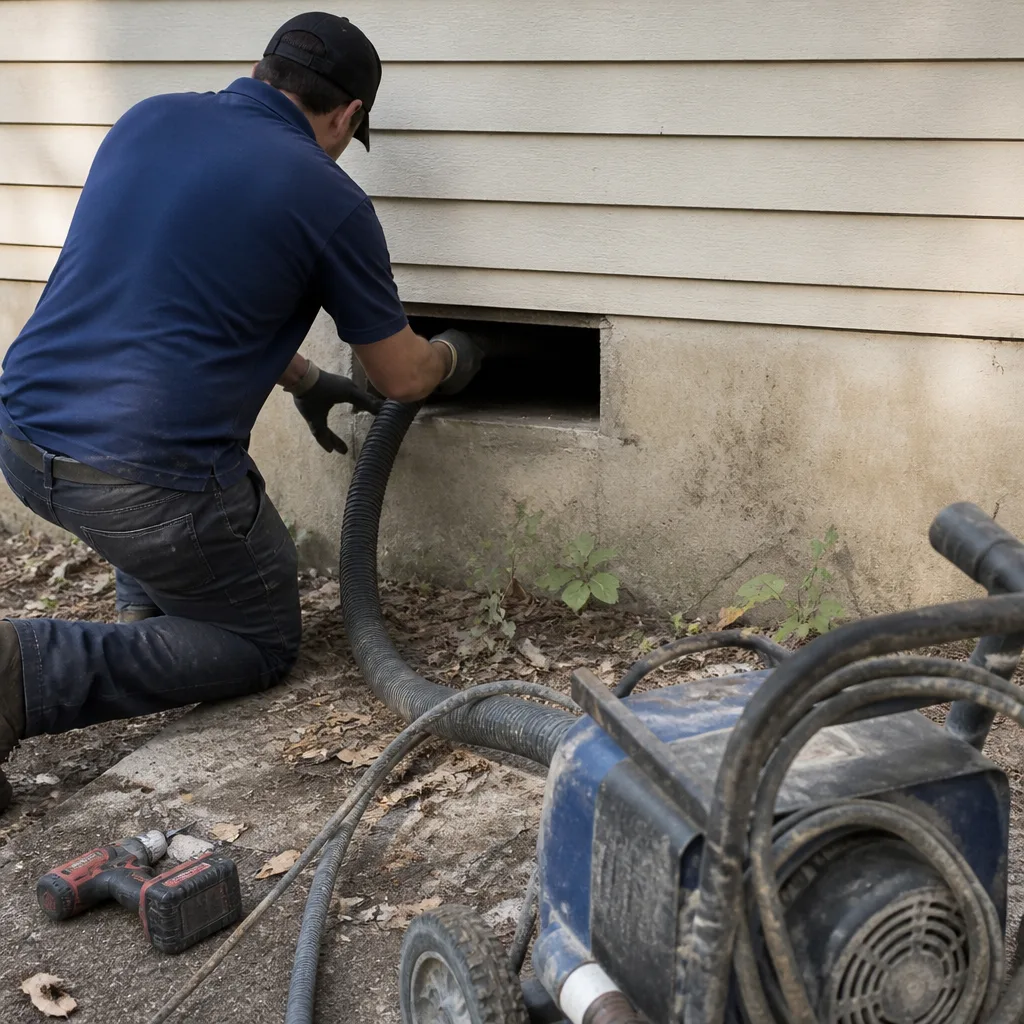 Before
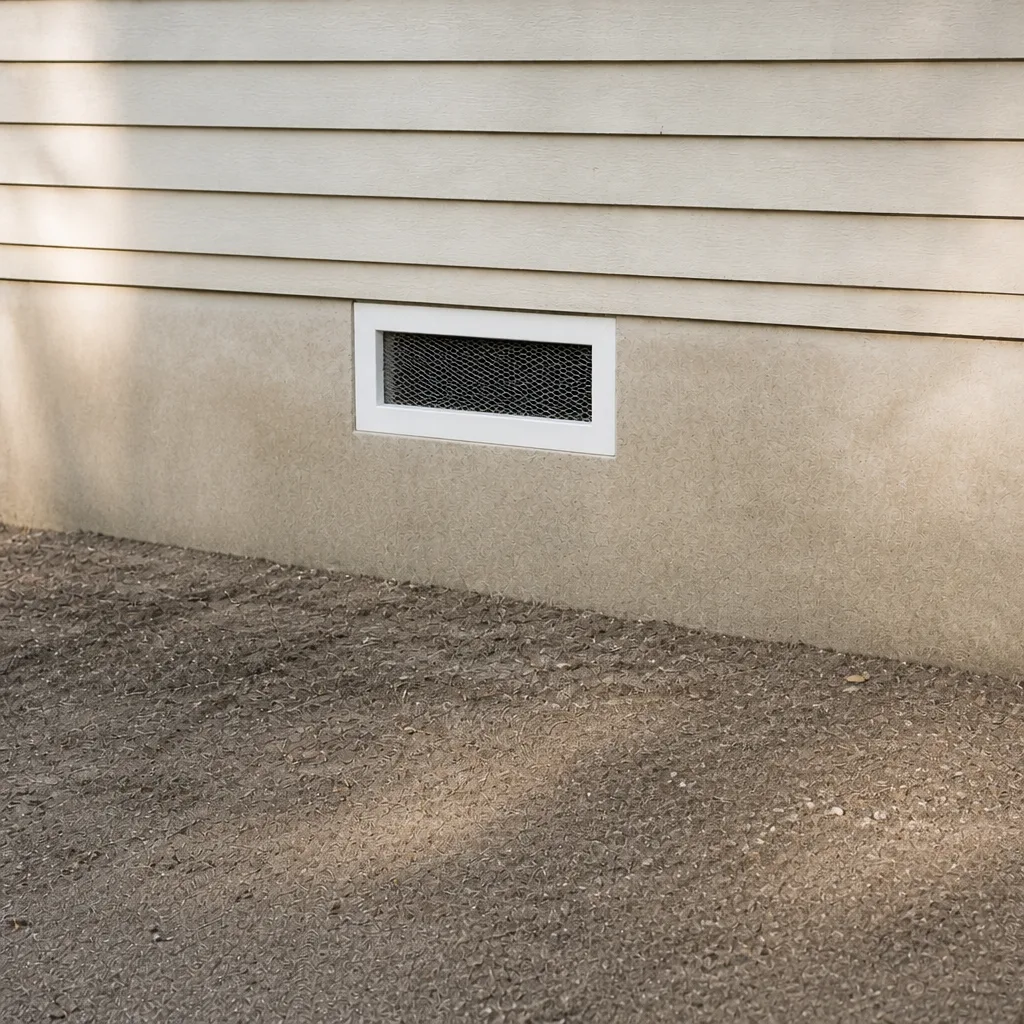 After
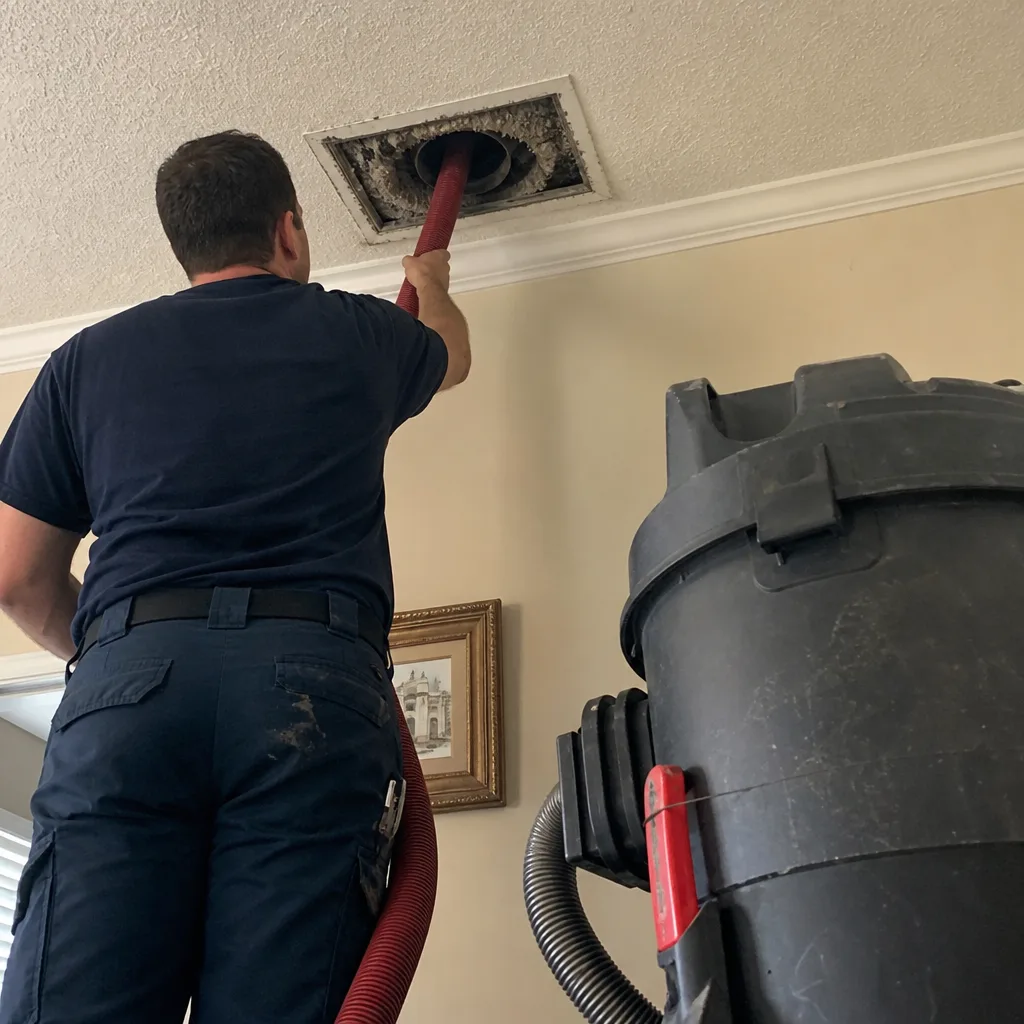 Before
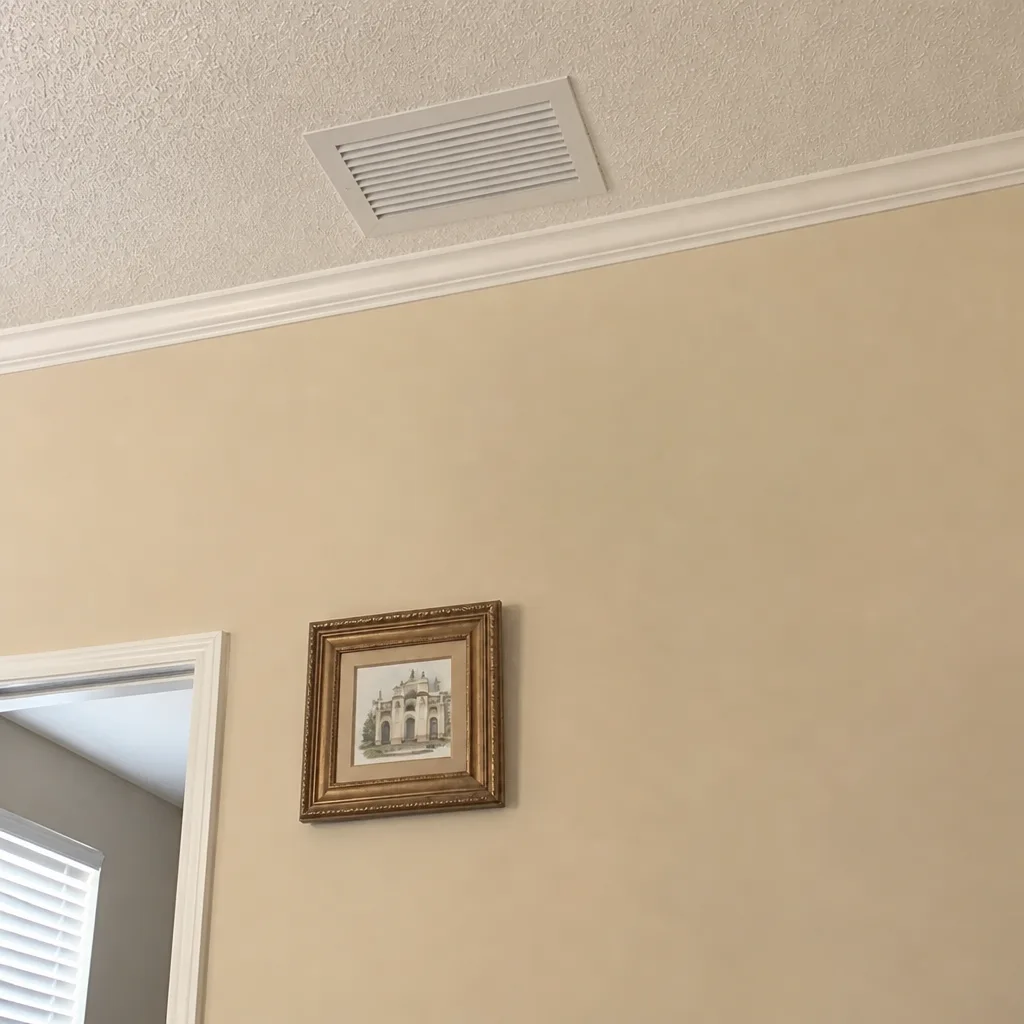 After
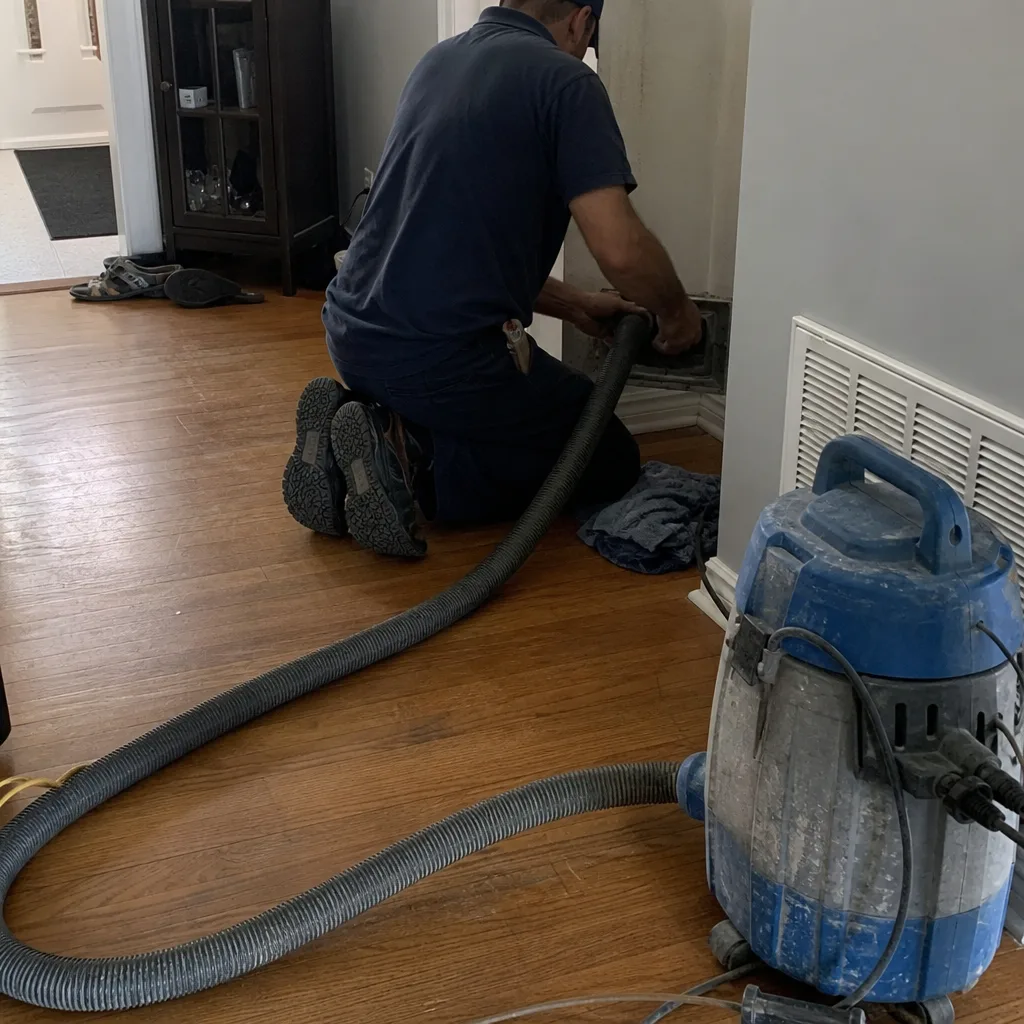 Before
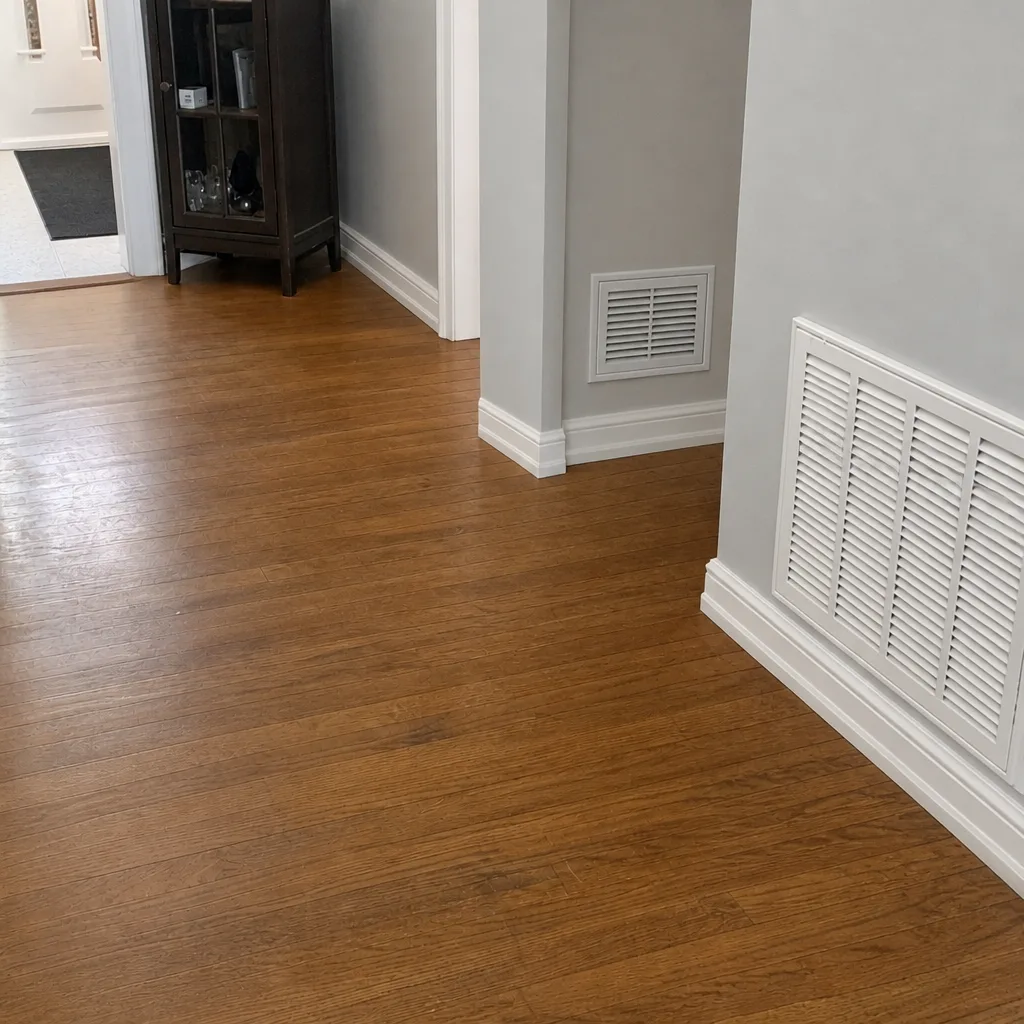 After
Common Mistakes to Avoid
- Treating the three-to-five-year rule as fixed. It’s a baseline for average conditions. If your home has pets, allergy sufferers, or recent renovation dust, the baseline doesn’t apply. Adjusting the interval to your home is the whole point of the exercise.
- Skipping the post-summer window. In North Charleston, the long cooling season loads a duct system in a way the calendar doesn’t capture. Waiting until spring means cleaning just before the system reloads during the next cooling season, which is the opposite of strategic timing.
- Cleaning a leaking system without repairing it. Contamination comes back faster through leaks. Cleaning without repair means spending on maintenance sooner than necessary. If you’re planning a cleaning, ask about duct condition at the same time.
- Changing filters on the wrong schedule. A filter that’s too restrictive for the blower can reduce airflow, and a filter changed too infrequently loads the system. Follow the rated recommendation, and check the filter visually to confirm the schedule fits your home.
- Ignoring the dryer vent. Duct cleaning and dryer vent maintenance are separate. The dryer vent is a fire-safety matter and needs its own check and cleaning interval. A clogged dryer vent is one of the leading causes of residential fires.
- Not asking for visual confirmation. Cleaning without before-and-after photos means you can’t verify the work. Ask for photos of your own ducts. The written estimate sets the price, and the photos confirm the result.
- Waiting after a moisture or pest event. Water intrusion or rodent evidence means the schedule resets. Waiting for the calendar instead of responding to the event is how a manageable situation becomes a larger one.
When to Call a Professional
Some signals need a professional assessment rather than a homeowner decision. Call us when you see visible dust returning to registers within weeks of a cleaning, when there’s a musty smell at system startup that doesn’t clear, when you find evidence of rodents or moisture in the ducts, when airflow is uneven between rooms, or when you’re planning a post-renovation cleaning. We’ll assess the system, give a written estimate before any work starts, and confirm whether repair belongs alongside cleaning. For North Charleston-area homeowners including those in North Charleston and nearby communities, Sunstone Air Duct Cleaning offers free estimates. Call (855) 683-7582 for an exact quote. We answer 24/7, and fast dispatch runs from 7am to 7pm, Sunday through Friday. Our technicians have up to 8 years of experience, and we work with professional-grade equipment, not improvised tools.
Frequently Asked Questions
For an average home, every three to five years is a reasonable baseline. In North Charleston, plan on the shorter end, roughly every two to three years, if your home has pets, allergy sufferers, recent renovation dust, or an older duct system that may be leaking. Check the system visually once a year and adjust from there. Call (855) 683-7582 for an exact quote on your home.
The post-summer window is the most strategic time in this region. After the long cooling season, the ducts have carried a full stretch of humid air and particulate load. Cleaning then removes what built up during the heaviest stretch of system use, rather than cleaning just before another summer. If you have pets or allergy concerns, an annual check plus a cleaning based on condition may fit better than a strict calendar.
Homeowner cleaning rarely matches professional-grade HEPA extraction. Improvised tools can redistribute dust rather than capture it. If you’re concerned about contamination, moisture, or a suspected leak, a professional assessment is the safer route. Call (855) 683-7582 for a free estimate and we’ll tell you what the system actually needs.
Ask for before-and-after photos of your own ducts. Our approach is to provide visual confirmation and a written estimate before work starts, so the price and the scope are agreed up front. If a contractor won’t offer photos, that’s a reason to ask more questions before committing. Call for a free estimate and we’ll walk you through what to expect.
Yes. Pet hair and dander settle into register boots and the return side of the system faster than dust from human activity alone. A home with one or more shedding pets usually does better on a two-to-three-year interval. If you have multiple pets and any allergy concerns, plan on the shorter end. Call (855) 683-7582 and we’ll assess it with you.
No, dryer vent cleaning is separate from air duct cleaning and follows its own interval based on lint accumulation. Check the exterior vent flap periodically, and if it doesn’t open fully or the drying cycle is taking longer, schedule a professional cleaning. Lint buildup is one of the leading causes of residential dryer fires. Call (855) 683-7582 for a free estimate.
The Bottom Line
There’s no single interval that fits every home, and that’s a good thing, because it means the schedule can fit yours. Start from the three-to-five-year baseline, then move toward the shorter end if pets, allergy concerns, renovation dust, indoor smoking, or an older leaking system apply. In North Charleston, use the post-summer window as your strategic cleaning moment, change filters on schedule, and track condition with simple visual benchmarks. When a reset event like water intrusion, rodents, or equipment replacement occurs, respond to it rather than waiting. Cleaning and repair belong together, and a system that’s sealed holds its cleanliness longer. For North Charleston homeowners who want this done properly, including dryer vent cleaning as part of the plan, Sunstone Air Duct Cleaning offers free estimates. Call (855) 683-7582 for an exact quote. We answer 24/7. Fast dispatch from 7am to 7pm, Sunday through Friday.
Written by the team at Sunstone Air Duct Cleaning.