
Last updated November 15, 2026
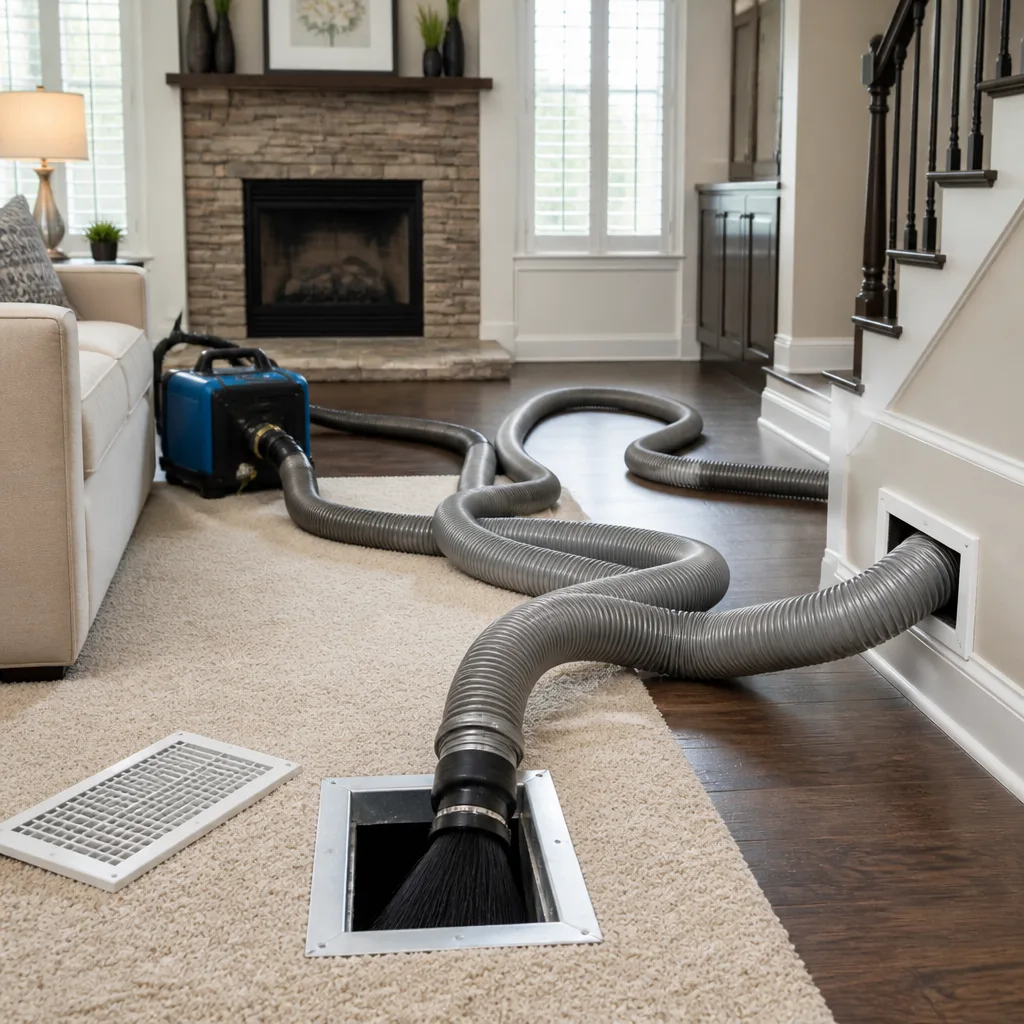 Whole-home duct cleaning
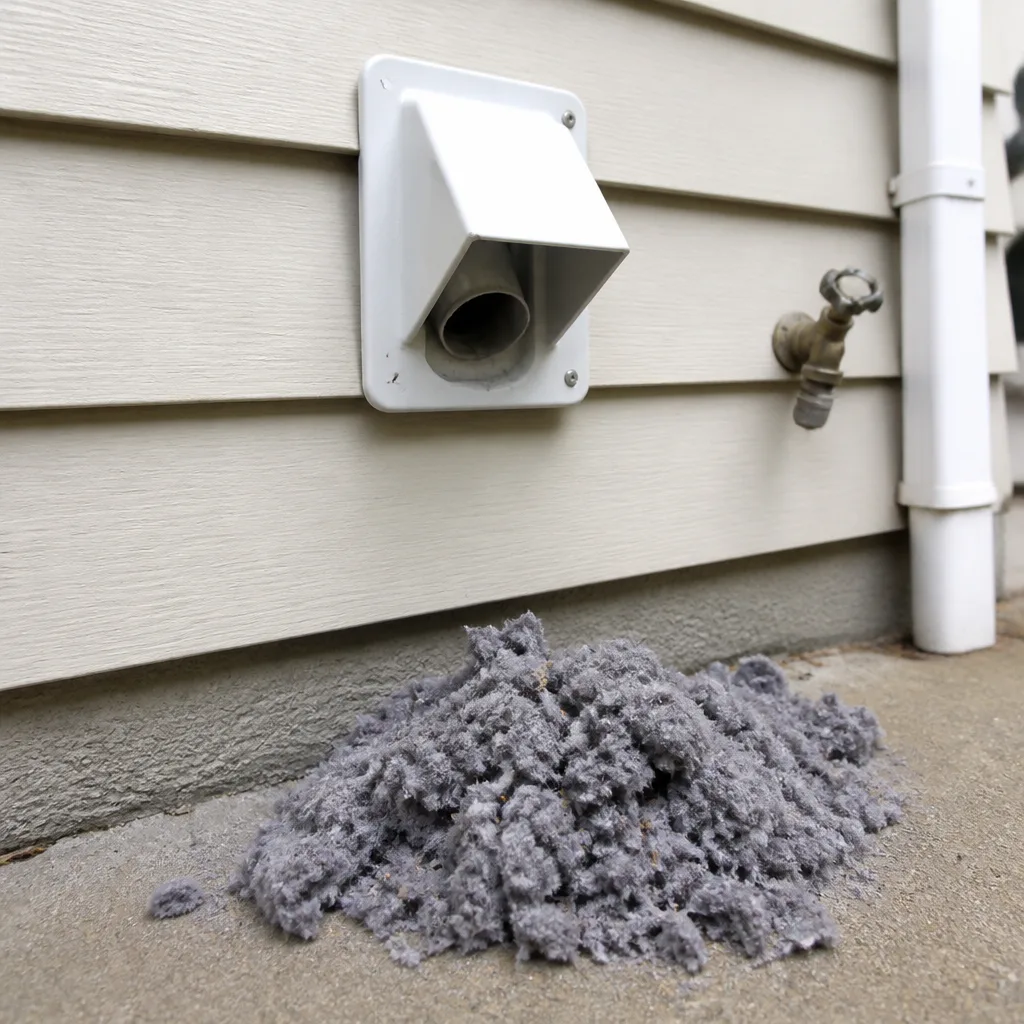 Dryer vent cleaning
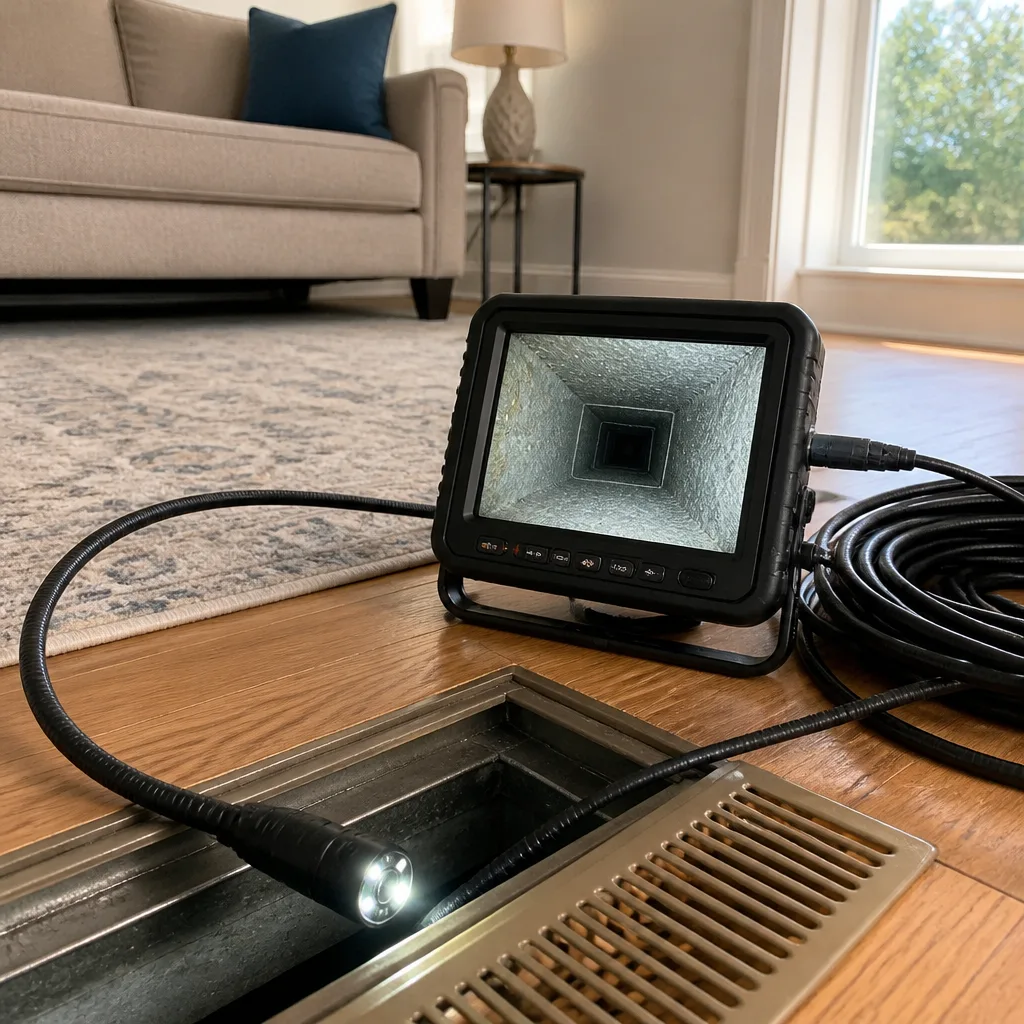 Camera inspection
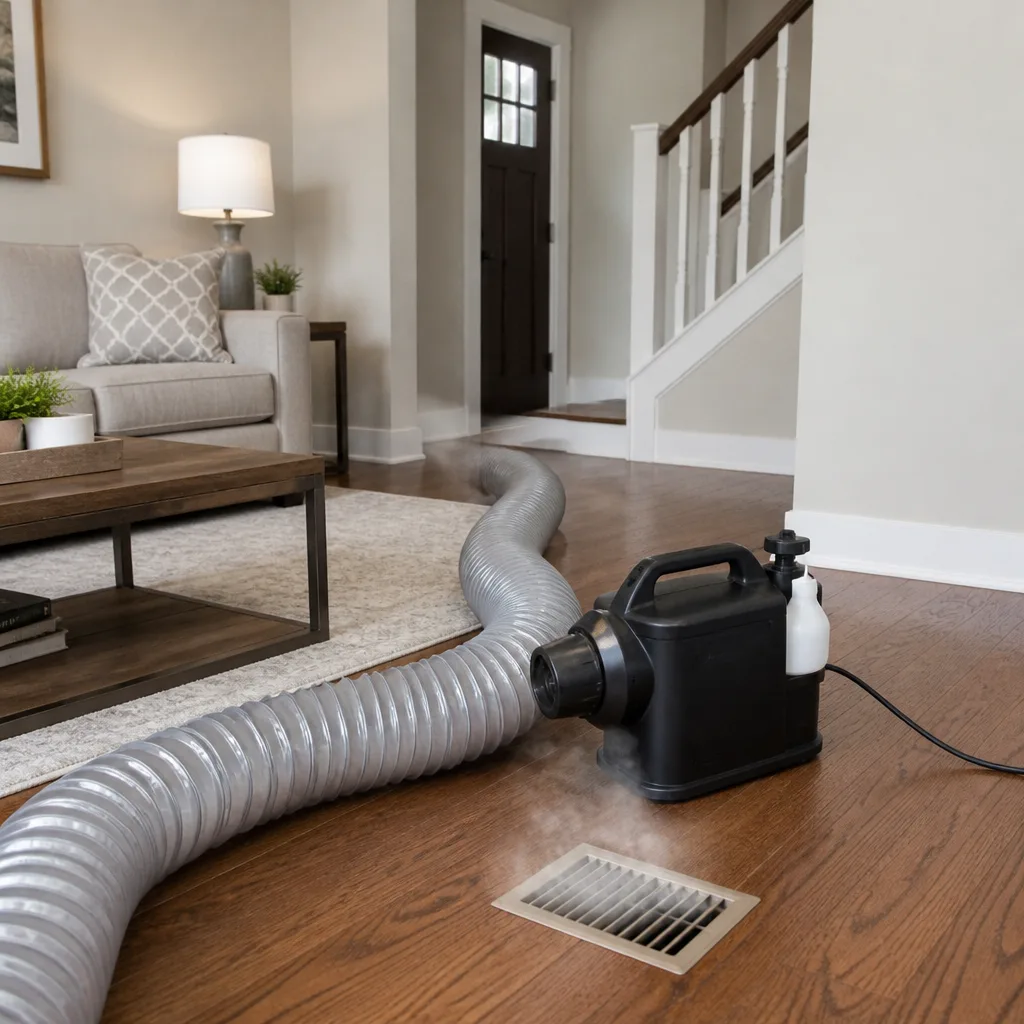 Sanitizing & deodorizing
Whole-system duct and dryer vent check with before-and-after photos - you see exactly what came out of your vents
That "$99 whole-house special" is a bait ad - the real number appears once they are in your hallway, or the "clean" is a shop-vac at the register. We photograph the inside of your ducts before and after instead.
DIY vs Professional Air Duct Cleaning: The North Charleston Homeowner’s Decision Guide
Most homeowners assume the question is yes or no: can I clean my own ducts, or can’t I? That framing is why so many people waste a weekend and a rental fee. The truthful answer is a short list in each direction. Some tasks you’ll genuinely handle well yourself. Others you’ll make measurably worse by trying, because a shop vacuum and a rotary brush don’t move air in the same category of force. This guide breaks the job into what you can do, what you shouldn’t, and what only professional equipment can accomplish at all, with context for the older crawlspace-built homes common around North Charleston.
Quick Answer
You can safely handle surface tasks yourself: cleaning supply and return registers, upgrading filters, clearing lint from a dryer vent run, and keeping the return grille unobstructed. Whole-system duct cleaning is a different job. It needs sustained negative pressure and an agitating brush to loosen debris the vacuum can then capture, which consumer kits don’t generate. If you suspect mold, rodent activity, collapsed flex duct, or heavy post-renovation dust in a North Charleston home, that’s professional work.
Styles & brands we work with
- Whole-home duct cleaning
- Dryer vent cleaning
- Camera inspection
- Sanitizing & deodorizing
Table of Contents
- Why Vacuum Force Changes Everything
- What You Can Legitimately Do Yourself
- Why DIY Vacuuming Often Redistributes Contamination
- The Crawlspace Duct Reality in Older North Charleston Homes
- When Mold Is Present: Why DIY Treatment Usually Fails
- The Break-Even Calculation, Honestly
- Cleaning vs Repair: A Distinction DIY Can’t Cross
- How a Professional Duct Cleaning Actually Runs
Why Vacuum Force Changes Everything
Consumer duct cleaning kits sold at hardware stores generate negative pressure measured in inches of water column. Professional systems operate at 10 to 20 times that force. That difference isn’t marketing language, it’s the physics that determines whether dust leaves your ductwork or just gets stirred up inside it. A weak vacuum pulls at the surface of a debris layer. A strong one, combined with an agitating brush, breaks the layer loose so it can be captured and carried out.
Think about what’s actually settled in a duct run that hasn’t been cleaned in a decade. You have fine dust bound together with humidity, pet dander packed against the duct wall, construction dust from a renovation, and in some homes lint from a dryer vent run that shares a chase with the HVAC. Dust sitting undisturbed in a duct is stable. Dust that’s been disturbed but not captured is now airborne in your living space.
The other part of the equation is filtration. Professional work pairs a rotary brush with HEPA-filtered extraction, which captures particulates at the source. The equipment we use, including Rotobrush rotary-brush systems and Nikro HEPA extraction, is built for exactly this sequence: agitate, capture, contain. A consumer wet/dry vac has a filter, but it isn’t a HEPA filter designed for sustained fine-particulate capture through a long duct run. Once that filter loads up, the vacuum starts pushing fine dust back out the exhaust.
You don’t need to memorize water-column figures to make a decision. You need to accept one thing: for a whole-system clean, the tool determines the outcome. If you’re working with a consumer kit in a North Charleston home, you’re working with a different tool category than a technician is.
What “agitate and extract” means in practice
A rotary brush is fed through the duct run on a flexible whip. As it spins, it scours the duct wall from the inside, loosening the bonded layer. Simultaneously, the vacuum pulls air toward the extraction point, so the moment debris releases, it’s already moving toward the capture source. That’s the difference between cleaning a duct and blowing dust off a duct wall. Only one of those leaves a clean system behind.
What You Can Legitimately Do Yourself
There is real work you can do, and doing it well protects the system between professional visits. These tasks don’t require force or specialty equipment, and getting them wrong won’t cause damage.
- Clean the supply and return registers. Remove each grille, wash it in a sink or hose it off outside, dry it fully, and reinstall. Dust collects on register faces faster than anywhere else in the system because the air velocity is highest right at the opening. A damp cloth on the frame and a quick pass on the blades with a soft brush keeps visible dust down.
- Upgrade your filter and change it on schedule. A MERV 8 pleated filter is the standard middle ground for most homes. Higher MERV ratings capture finer particles but restrict airflow on undersized systems, which is a common mistake in older homes. Check the filter monthly during heavy pollen season and replace when it visibly loads, not just on the calendar.
- Clear the visible return path. Make sure furniture, rugs, or boxes aren’t blocking return grilles. A blocked return starves the system of air and forces it to pull from gaps and leaks instead of the intended return path.
- Clear lint from the dryer vent run you can reach. Pull the dryer away from the wall, disconnect the transition duct, and remove lint from both ends. Clean the exterior termination flap and clear any screen or cage that’s packed with lint.
- Vacuum around the equipment. Dust around the air handler and return plenum is drawn back into the system. A shop vac with a HEPA filter, run gently near the cabinet, reduces what’s available to be pulled in.
What all five of these share is that they operate at the surface. None of them requires you to reach inside a duct run, and none of them creates a contamination risk if you get it slightly wrong. That’s the line: if a task involves reaching into a duct or pressurizing the system to move debris, it’s past the DIY boundary.
Why DIY Vacuuming Often Redistributes Contamination
Here’s the failure mode. A homeowner feeds a shop vac hose or a consumer duct brush into a register and starts working. The vacuum pulls some debris out. But because the vacuum can’t generate the negative pressure to pull the entire run toward the extraction point, the brush loosens far more material than the vacuum can capture. That loosened debris drifts through the ductwork. When the system kicks back on, it delivers that material throughout the house.
This is why people sometimes report that their air feels worse after a DIY duct attempt. It isn’t imagination, it’s mechanics. The homeowner did half the job that matters most, which is agitation, and none of the half that contains the problem, which is extraction at force.
The three things professional extraction does that a shop vac can’t
- Sustained negative pressure across the whole run. A single high-capacity vacuum connection pulls the entire duct system toward one point, so loosened debris has one direction to travel.
- HEPA capture at the extraction point. Nikro HEPA-filtered extraction traps fine particulates at the machine, not in your living room. The filter is engineered for this specific dust load.
- Simultaneous agitation. The rotary brush is working while extraction is running. There’s no gap between loosening and capturing, which is what closes the redistribution window.
If you did a DIY attempt and the air smells musty or dustier after, that’s a signal, not a coincidence. We see this pattern often enough around North Charleston to mention it directly: attempts in a house with heavy debris load tend to stir more than they resolve.
The Crawlspace Duct Reality in Older North Charleston Homes
Many older homes around North Charleston, particularly in neighborhoods with 1960s through 1980s construction, run ductwork through a crawlspace rather than a conditioned attic. That’s normal construction for the era, but it creates a specific problem for anyone considering DIY work.
Crawlspace duct runs in these homes are often flex duct supported by straps, sometimes with sagging sections, sometimes with taped or mastic-sealed joints that have aged out. The crawlspace itself may be vented to outside air rather than sealed. A vented crawlspace doesn’t have a clean boundary from the outside world, so insects, rodents, and moisture all have pathways in. When flex duct in a vented crawlspace develops even a small tear, that path is now a leak in both directions: conditioned air escapes, and whatever’s in the crawlspace gets pulled in.
Here’s where the DIY risk becomes concrete. If you feed a shop vac into a crawlspace duct run in one of these homes, you’re working in an unconditioned, often damp space where the duct material itself is fragile. A brush or hose pushed through aging flex duct can tear the liner or push debris into a sagging low spot you can’t reach. That debris now sits in the duct until the system pulls it back into the house. You’ve introduced more material than you removed.
A professional inspection of a crawlspace duct system looks at two things: the condition of the runs (tears, tears at the joints, disconnected sections, sagging) and the condition of the space themselves. Repairing a torn run is often less work than cleaning a compromised system, and doing the repair first means the cleaning holds. That’s why we offer Sunstone Air Duct Cleaning as a combined cleaning-and-repair service rather than a cleaning-only call. If you’re dealing with an older North Charleston home and you aren’t sure whether the ducts are sealed, that’s a conversation worth having before you spend a weekend on a shop vac.
When Mold Is Present: Why DIY Treatment Usually Fails
Mold in a duct system is a moisture problem before it’s a cleaning problem. If you clean the mold off a duct surface without fixing the moisture source, it comes back. That’s the honest limitation of any duct cleaning, professional or otherwise, and it’s the reason why proper treatment starts with finding the moisture source and not a spray bottle.
A few things drive duct moisture in this climate: high summer humidity, a duct system that runs through a crawlspace with a vapor barrier problem, an air handler with a condensate drain that isn’t draining, or a return path that pulls humid attic or crawlspace air into the system. If any of those conditions is active, mold will return after any cleaning. The order of operations matters: identify and fix the moisture first, then clean and contain the contamination.
Why improper treatment spreads spores
Spores on a duct surface are mostly sitting still. Agitate them without capturing them and they’re airborne. A shop vac without a HEPA filter can push fine spores back out the exhaust into the room where you’re working. That’s the worst possible outcome for anyone with allergies or respiratory sensitivity in the home. Professional remediation work depends on containment: HEPA extraction, air filtration equipment (the same category of unit we use, from Abatement Technologies), and treated work areas. That’s the level of care this situation calls for.
We aren’t going to tell you DIY mold treatment is safe with the right product. If you’ve seen visible growth inside a register or smell a persistent musty odor when the system runs, call us for a free estimate. We’ll tell you honestly whether the issue is a cleaning problem or a repair-and-moisture problem, because the two have different answers. Call (855) 683-7582. We answer 24/7. Fast dispatch from 7am to 7pm, Sunday through Friday.
The Break-Even Calculation, Honestly
The math homeowners run in their heads is: rental cost plus an afternoon equals savings. That math misses three variables. Here’s the full version.
The real cost of a DIY attempt
- Equipment rental or purchase. A decent HEPA shop vac and a duct brush kit cost more than people expect, and neither generates the pressure a truck-mounted or high-capacity portable system does.
- Your time, and it’s a full day. Disconnecting registers, working a brush through accessible runs, recleaning every surface the disturbance touched, and then rechecking. In a home with multiple systems or a long trunk line, it’s more than one afternoon.
- The cleanup after the job. Fine dust settles on every horizontal surface in a house after a low-pressure attempt. That’s an additional cleaning project.
- The likely follow-up. If the first attempt redistributes debris or the visible dust returns within a few weeks, you’re calling a professional anyway. Now you’ve paid twice.
The honest break-even is this: if your ducts are lightly dusted and the home is newer with sealed ductwork, the DIY surface tasks in the previous section cover most of what’s needed, and a professional clean isn’t urgent. If the ducts are heavily loaded, the home is older with crawlspace runs, there’s been a renovation, or you’ve had pets for years, DIY rarely lands the job and often costs more in the end.
What a professional estimate looks like
Professional pricing on duct cleaning is usually quoted per system, not per vent, and the estimate should be based on what the technician sees in your specific home. That’s the honest structure, and it’s why a phone quote based on square footage is almost always going to be wrong in one direction or the other. The written estimate is what sets the price. We keep that structure deliberately simple: one flat price per system, agreed before any work starts, with before-and-after photos so you can see what changed.
Cleaning vs Repair: A Distinction DIY Can’t Cross
Here’s what gets missed in most DIY-versus-professional discussions: a lot of duct problems aren’t cleaning problems at all. They’re repair problems. Cleaning a system that has disconnected sections, torn flex duct, or failing seals is throwing effort at the wrong problem.
Signs you’re looking at repair rather than cleaning:
- A room that’s consistently warmer or cooler than the rest of the house, suggesting a duct run that’s disconnected or badly leaking
- Visible dust streaks or dark lines on a ceiling or wall near a register, indicating air escaping at a joint
- Rattling or flapping when the system runs, which usually traces to loose ductwork or disconnected sections
- An energy bill that climbed without a change in usage, often from conditioned air leaking into a crawlspace
- Visible tears in flex duct runs, common in older crawlspace installations
Choosing a professional who can also repair means the fix happens in one visit instead of a cleaning call followed by a referral to someone else. We do the repair work alongside the cleaning for exactly that reason. If you’re already invested in indoor air quality and running Honeywell or Aprilaire equipment, the technician inspecting your duct system should be able to work within that setup rather than around it. Cross-brand familiarity matters when the system you’re looking at includes air quality equipment. We’re familiar with both.
How a Professional Duct Cleaning Actually Runs
Knowing what a legitimate professional clean looks like is the best protection against a bad one. Here’s the sequence a full-system clean should follow.
- Inspection first. The technician checks the duct runs, the air handler, the return plenum, and any crawlspace runs, looking for tears, disconnections, moisture, and evidence of rodents or pests. Any repair issue gets flagged before cleaning starts.
- Setup and containment. The extraction equipment is connected to the system at a single point, creating sustained negative pressure across the whole run. Registers may be sealed or covered during the process to keep negative pressure inside the system.
- Agitation and extraction together. A rotary brush on a flexible whip is fed through the duct runs while the extraction unit pulls. Every run is worked through, not just touched at accessible ends.
- HEPA filtration throughout. The vacuum’s HEPA filter captures fine particulates at the machine so they don’t return to the living space. Air filtration equipment may be set up in the work area as well.
- Component cleaning. If the blower, evaporator coil, or air handler cabinet is part of the service scope, those get cleaned too. Dust that lives on the blower just gets blown back into the clean ducts otherwise.
- Before-and-after photos. A professional gives you evidence of what was found and what was removed. Ask for it if it isn’t offered.
- Final verification. Registers reinstalled, filters set, and a walkthrough of what was done and what was found. If any repair was needed, the estimate for it should be in writing.
That’s the process built on professional-grade equipment. It isn’t cheap to run, and the honest translation is: a quote so low that it can’t cover this process is a quote that isn’t going to follow this process. For a broader look at what air duct cleaning covers in this area, and what a fair estimate looks like, we’re glad to talk it through before you commit.
Common Mistakes to Avoid
- Running a shop vac through a duct run without a HEPA filter. The exhaust will push fine dust back into the room you’re working in, and into the rest of the house once the system runs.
- Spraying a DIY mold product on visible growth without finding the moisture source. The mold comes back, and in the interim you risk spreading spores through the system.
- Assuming newer construction means clean ducts. Construction dust often settles into the ductwork and stays there through the first several years of ownership. A new-build in a newer subdivision can still need a professional clean.
- Cleaning ducts without checking the crawlspace runs first. In a home with vented crawlspace ducts, a small tear or disconnected section means any cleaning effort just ends up in the crawlspace or the living room. Inspect first, clean second.
- Ignoring the dryer vent because it isn’t part of the HVAC system. A clogged dryer vent is a fire risk. Clearing the run you can reach from the appliance helps, but the full run needs a look, especially if drying times have gotten longer. Dryer vent cleaning belongs on the annual maintenance list alongside filter changes.
- Paying per vent for a job quoted from the phone. A legitimate estimate is based on what the technician sees in your specific home, in writing, before work starts.
- Assuming the job is done because the technician says it is. Ask for before-and-after photos. It’s a reasonable request and a professional should have them without being asked twice.
See the difference
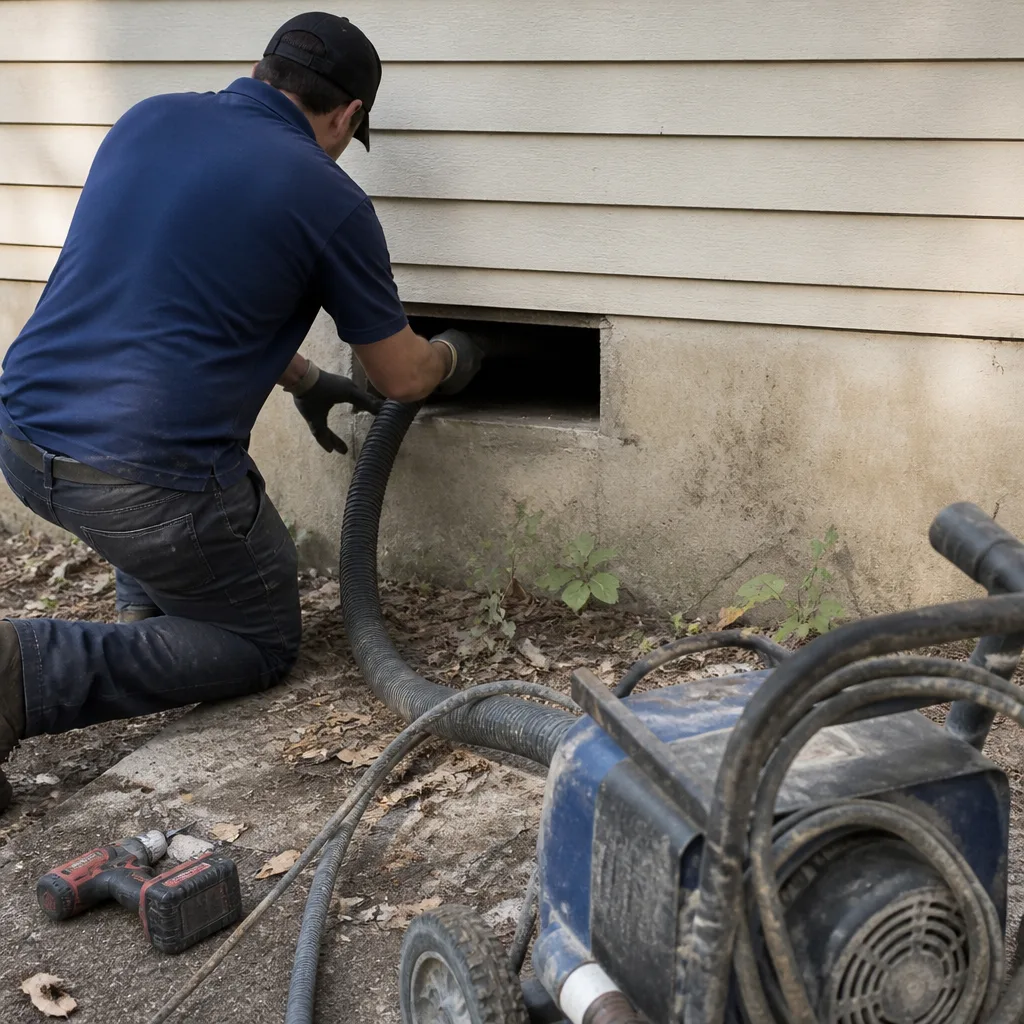 Before
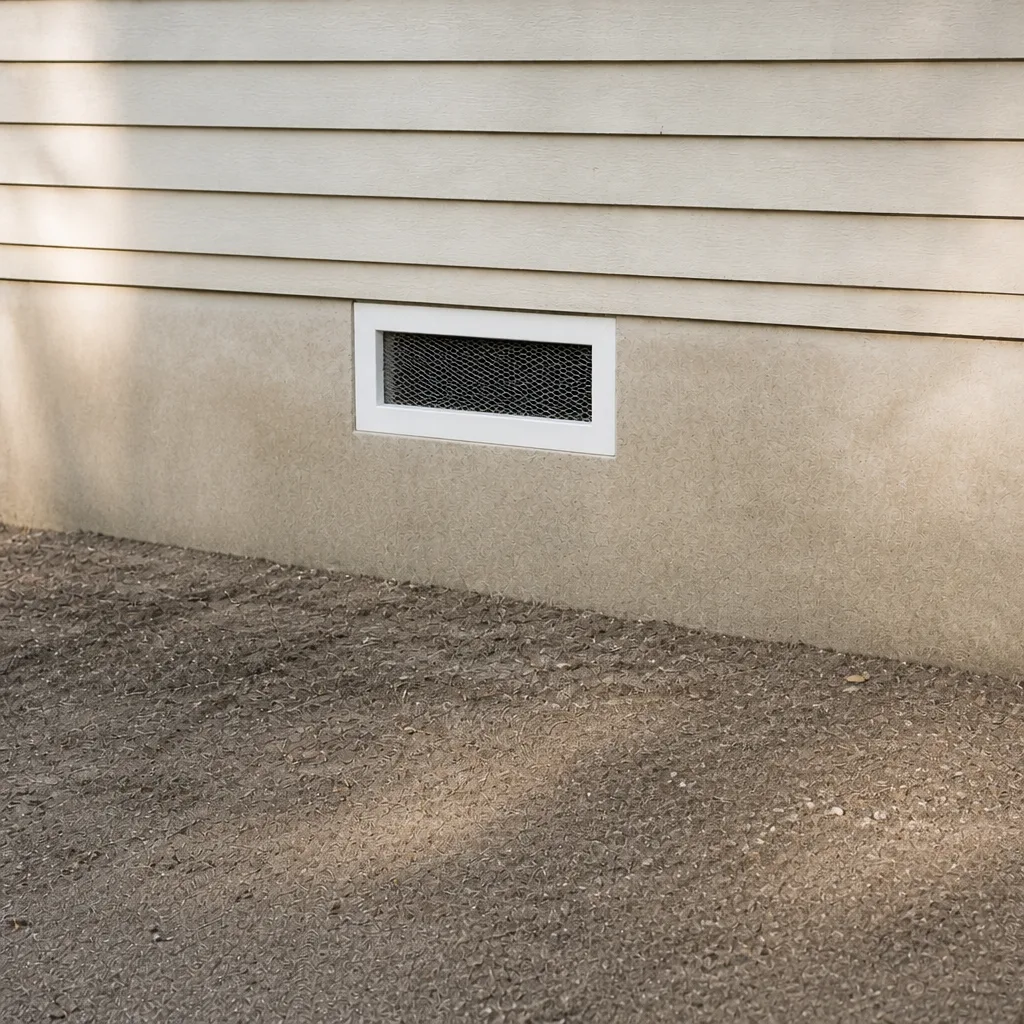 After
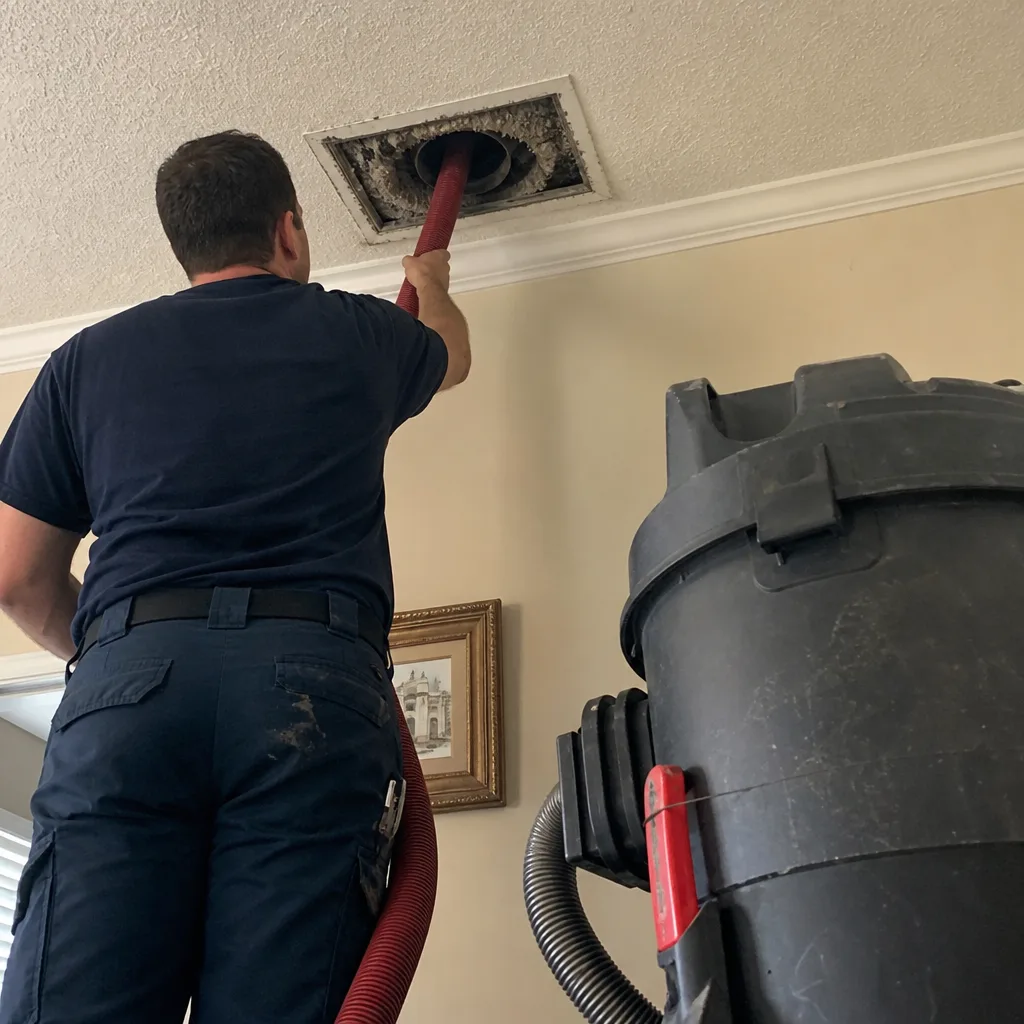 Before
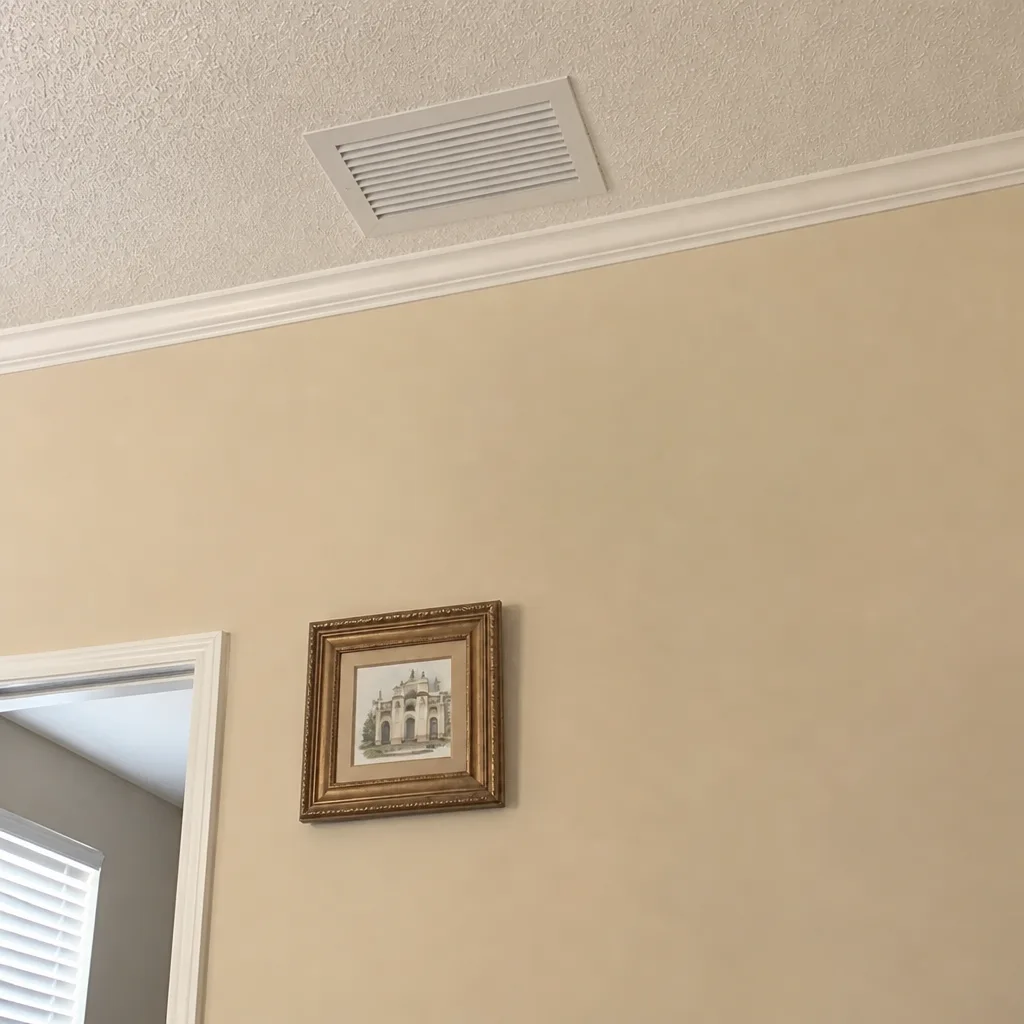 After
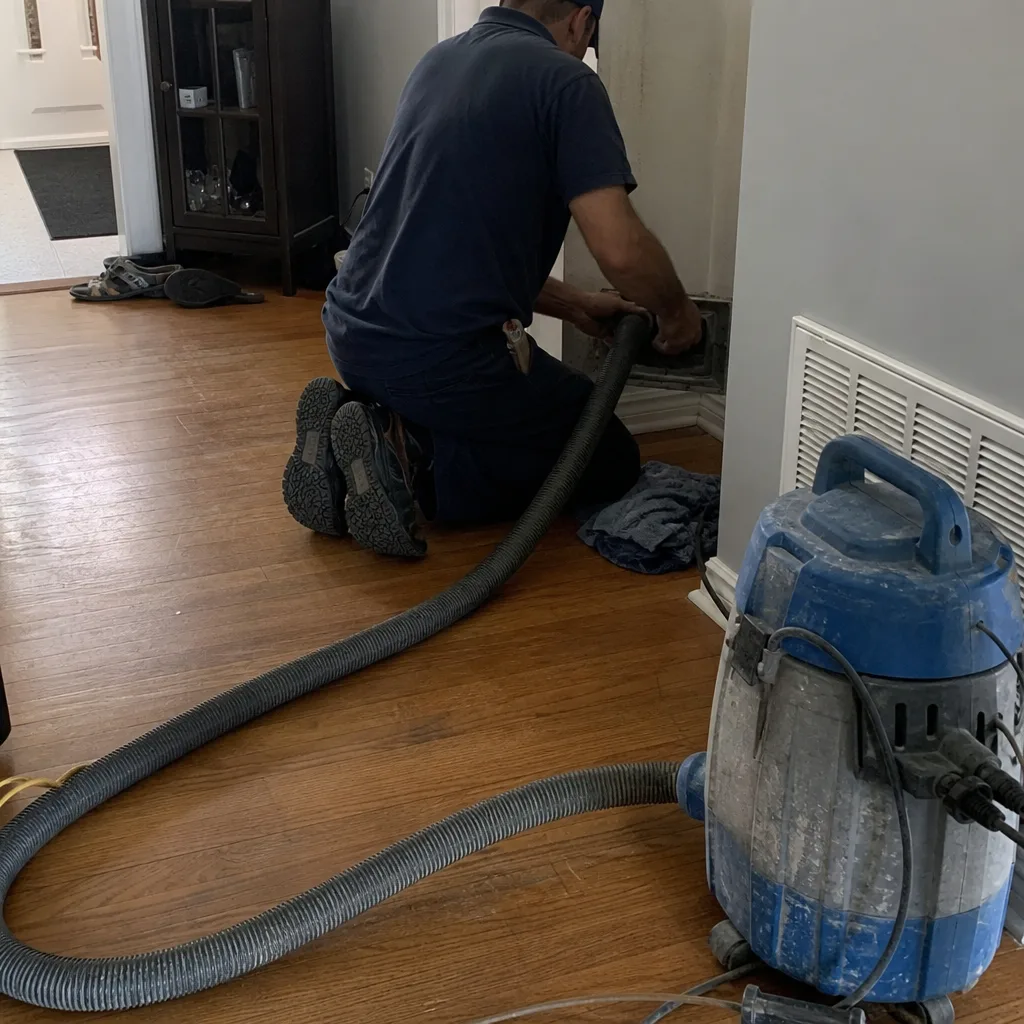 Before
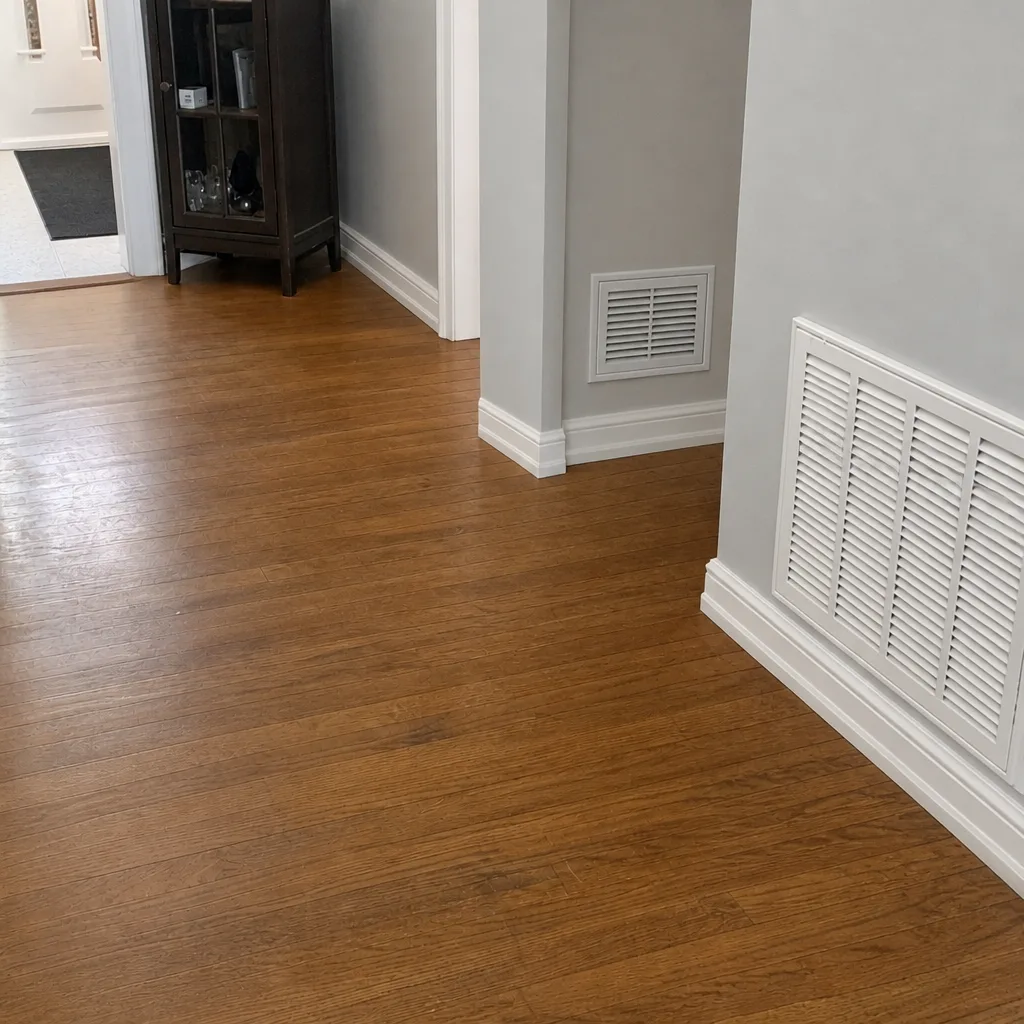 After
When to Call a Professional
Some situations genuinely don’t lend themselves to a DIY answer. Visible mold growth inside a register or on a duct surface. A crawlspace duct system with suspected tears or disconnected sections. Heavy dust after a renovation where drywall and construction debris have been pulled into the system. Persistent musty odor when the air runs. Allergy or asthma symptoms that get worse indoors. Rodent activity in ductwork, which is a containment and repair job, not a vacuuming job. A dryer vent that takes more than one cycle to dry a load, which signals a restricted run. In any of these cases, the cost of a professional call is far less than the cost of getting it wrong, and we’d rather talk through what you’re seeing than have you guess at it. If you’ve already done a DIY attempt and the air quality feels worse not better, that’s exactly the conversation to have. Sunstone Air Duct Cleaning offers free estimates in North Charleston – call (855) 683-7582.
Frequently Asked Questions
We quote per system, not per vent, and the written estimate sets the final price. It’s the honest structure, because a per-vent price incentivizes whoever’s quoting to underestimate the vent count and adjust the invoice later. What a professional clean actually costs depends on the number of systems, the condition of the ductwork, whether crawlspace runs are involved, and whether repair work is needed first. Call (855) 683-7582 and we’ll give you a free estimate based on your actual system rather than a phone number. We answer 24/7. Fast dispatch from 7am to 7pm, Sunday through Friday.
A quote far below the market usually means something outside the scope of a proper clean. Common shortcuts: charging per vent and only touching the accessible ones, using consumer-grade vacuums that can’t generate the pressure to actually clean a run, skipping the HEPA capture and letting debris re-enter the living space, or quoting low over the phone and adjusting on site. A legitimate clean uses professional-grade extraction, works every run, and provides before-and-after photos. If a quote doesn’t leave room for those steps to happen, they aren’t going to happen. Call (855) 683-7582 for an honest estimate on what a fair price looks like.
Before-and-after photos of your own ducts. That’s the most direct evidence available, and a professional who’s done the job properly should offer it without being asked. Beyond that, you should see a setup stage where the extraction equipment is connected, a run-through with the rotary brush through multiple registers, and a final walkthrough. If you’re told the job is done and there’s nothing to look at, ask for the photos. It’s a fair question and the answer tells you a lot. Call (855) 683-7582 and we’ll walk through what to expect.
For most homes with regular filter changes, professional cleaning every several years is reasonable. The timeline shortens for homes with pets, allergy sufferers in the household, recent renovations, or older construction with crawlspace ductwork. Homes near the industrial corridor to the north of downtown North Charleston see real particulate load on a regular basis during heavy pollen season, and a light surface filter routine won’t fully offset that. If you can’t remember the last time the system was cleaned and you’ve been in the house for years, it’s worth a look. Call (855) 683-7582 to talk through what schedule makes sense for your home.
You can reach registers and the surface of accessible runs, but you can’t clean the duct system with a shop vac. The vacuum doesn’t generate the negative pressure to move loose debris through a duct run to a single extraction point, and most shop vacs aren’t HEPA-rated so fine dust gets pushed back out the exhaust. The result is redistributed dust rather than removed dust. Surface cleaning, filter changes, and dryer lint removal are real work you can handle. Whole-system cleaning isn’t that. Call (855) 683-7582 for a free estimate when you’re ready.
Ask what equipment they use. Rotary brush systems (Rotobrush is the industry standard) do the agitation work. HEPA-filtered extraction (Nikro is a common professional choice) does the capture work. Air filtration units used in remediation, like Abatement Technologies equipment, come into play for homes with mold or contamination concerns. If the answer is “a big vacuum,” ask for specifics. We use Rotobrush and Nikro systems because they’re the same equipment category professional remediation crews rely on, not consumer-grade substitutes. Call (855) 683-7582 to hear exactly what a full-system clean involves.
The Bottom Line
The honest answer to “can I clean my own ducts” splits in three directions. Surface tasks, meaning registers, filters, and the dryer lint you can reach, are yours to handle well. Whole-system cleaning needs equipment you don’t have, because pressure and HEPA capture determine whether debris leaves or redistributes. And repair issues, mold, and crawlspace ductwork need a professional before any cleaning happens at all. If you’re in a North Charleston home and you’re not sure which category you’re in, get a free estimate before you rent anything. Call (855) 683-7582. We answer 24/7. Fast dispatch from 7am to 7pm, Sunday through Friday.
If you’d rather see a full picture of what professional work covers in the area, take a look at North Charleston, and see the full scope of Sunstone Air Duct Cleaning before you book. Clean ducts and repaired ducts go together, and one call covers cleaning, repair, and dryer vent safety.
Written by the team at Sunstone Air Duct Cleaning.