
Last updated November 15, 2026
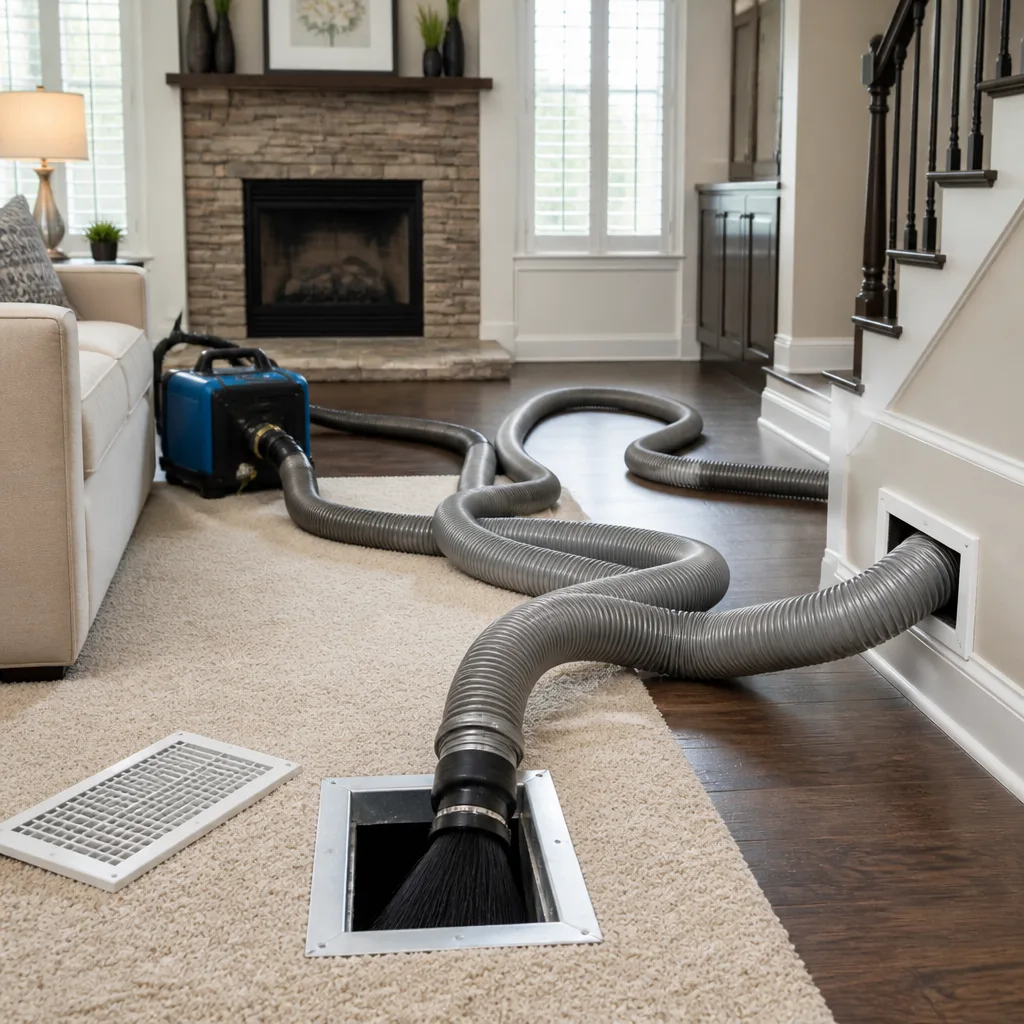 Whole-home duct cleaning
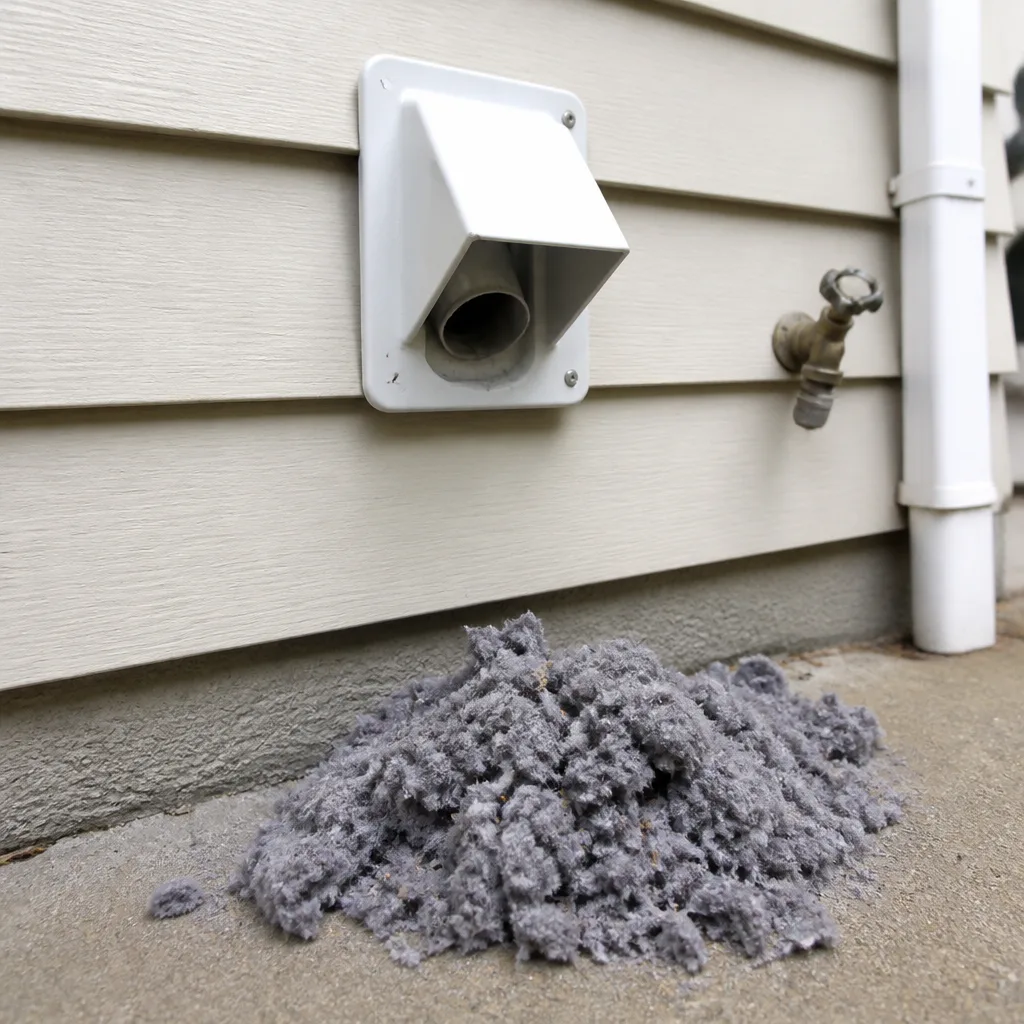 Dryer vent cleaning
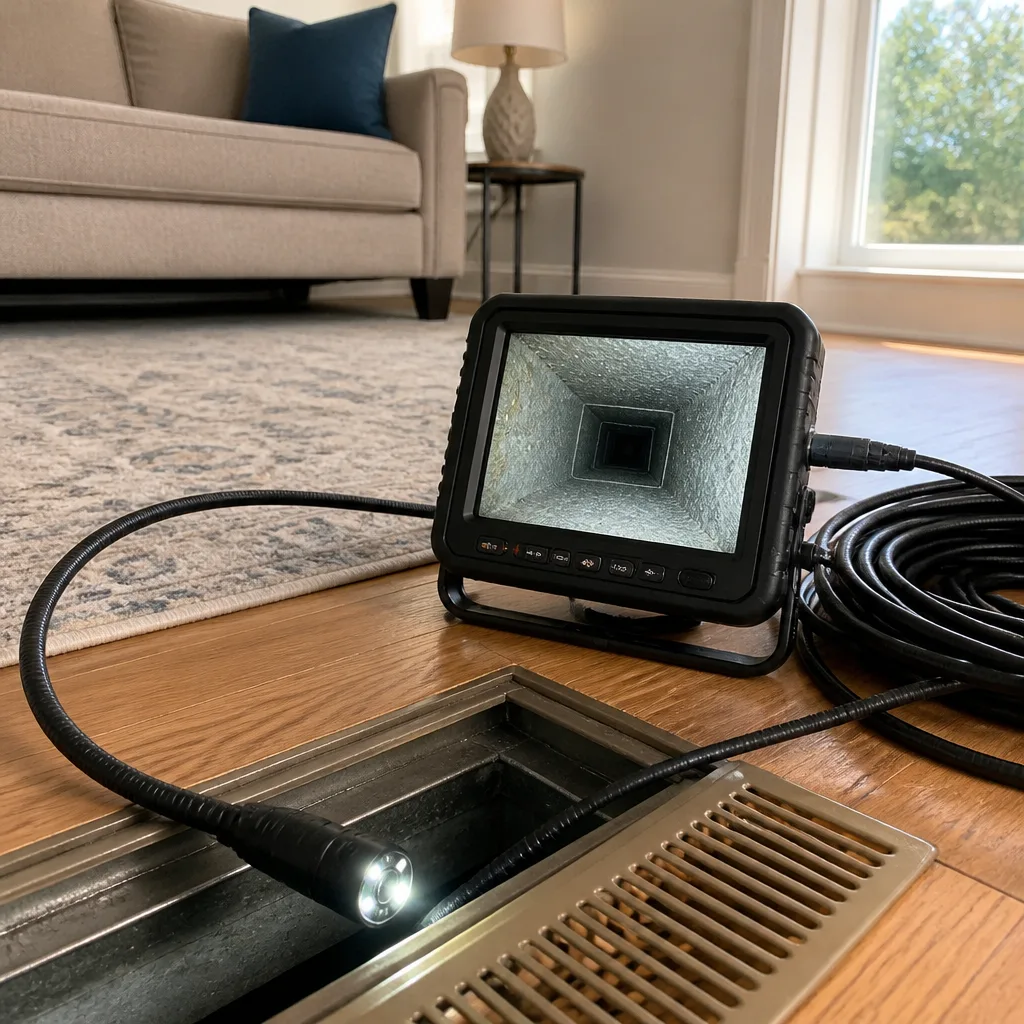 Camera inspection
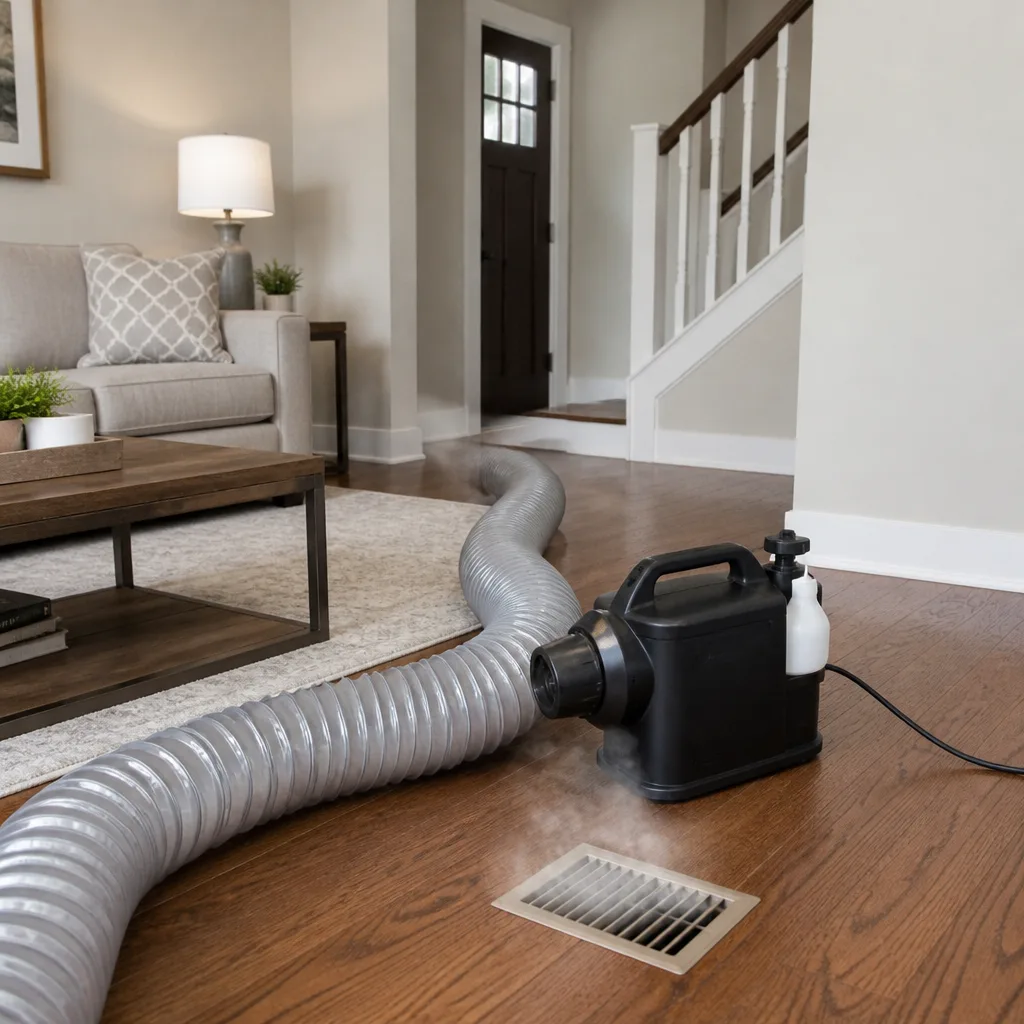 Sanitizing & deodorizing
Whole-system duct and dryer vent check with before-and-after photos - you see exactly what came out of your vents
That "$99 whole-house special" is a bait ad - the real number appears once they are in your hallway, or the "clean" is a shop-vac at the register. We photograph the inside of your ducts before and after instead.
How to Hire an Air Duct Cleaning Contractor in North Charleston: A Step-by-Step Guide
In South Carolina, there is no state license required to call yourself an air duct cleaner. The truck, the logo, and the uniform tell you nothing about whether they can actually do the job. That gap is the whole problem: the hiring decision lands entirely on you, and most homeowners have never been taught what to ask. This guide changes that. We’ll walk you through the certifications that matter, the interview questions that separate professionals from pretenders, how to decode a quote, and the documentation you should demand before anyone touches your ductwork. By the end, you’ll know exactly how to hire air duct cleaning in North Charleston with confidence.
Quick Answer
To hire an air duct cleaning contractor in North Charleston, verify three things before booking: proof of the right certifications (NADCA membership, EPA Section 608 awareness if refrigerants are involved, and a state contractor license if repair work is included), a clear description of the equipment they’ll use (rotary-brush agitation with HEPA-filtered negative-pressure extraction, not a shop vac), and a written scope that includes before-and-after documentation of your own system. A quote that skips any of those is a red flag, no matter how low the price.
Styles & brands we work with
- Whole-home duct cleaning
- Dryer vent cleaning
- Camera inspection
- Sanitizing & deodorizing
Table of Contents
- Why North Charleston Has Almost No Licensing Barrier
- The Three Certifications That Actually Matter
- Interview Questions to Ask Before Booking
- How to Decode an Air Duct Cleaning Quote
- Why the Lowest Bid in North Charleston Usually Means Consumer Equipment
- What Legitimate Before-and-After Documentation Looks Like
- A Step-by-Step Verification Process
- Common Mistakes to Avoid
- When to Call a Professional
Why North Charleston Has Almost No Licensing Barrier
South Carolina does not issue a specific license for air duct cleaning. That’s the fact that shapes everything else in this guide. Anyone with a vacuum and a business card can print “Air Duct Cleaning” on a truck and start booking jobs in North Charleston. There’s no state exam, no minimum equipment standard, no required training hours. The barrier to entry is essentially zero.
That doesn’t mean every operator is unqualified. Plenty of competent crews work in the region. But it does mean you can’t rely on the state to have screened anyone for you. The screening is your job.
What you can verify falls into a few categories:
- Industry certification. NADCA (the National Air Duct Cleaners Association) sets the professional standard for the trade. Membership and its ASHRAE-based assessment certification are voluntary, not required by law, which is exactly why they signal something.
- Refrigerant handling awareness. If a job requires opening or working around the refrigerant circuit, EPA Section 608 certification is a federal requirement. A duct cleaning crew that doesn’t touch refrigerant lines doesn’t need it, but they should know why it matters when a job crosses from cleaning into repair.
- Contractor licensing for repair work. If the scope includes repairing ductwork, sealing joints, or any work that involves the HVAC system beyond cleaning, South Carolina contractor licensing rules may apply. Ask which license class covers the repair work and how to verify it with the state licensing board.
- Insurance and bonding. Not a license, but just as important. Confirm general liability coverage before anyone climbs into your attic or crawlspace.
When you’re comparing operators in North Charleston, treat these as your screening layer. The state won’t do it for you.
The Three Certifications That Actually Matter
Not every certification is worth the paper it’s printed on. Some are marketing badges. These three carry real weight, and here’s how to verify each one.
1. NADCA Membership and Assessment Certification
NADCA is the professional association that publishes the industry’s cleaning standard (ACR, the Assessment, Cleaning, and Restoration standard). A NADCA member has agreed to follow that standard and can be looked up in NADCA’s online member directory. That directory check takes two minutes and tells you more than any flyer. Ask for the member number or company name and verify it yourself. Don’t take a logo on a website as proof.
2. EPA Section 608 Awareness
EPA Section 608 certification is a federal requirement for anyone who handles refrigerants or works on the refrigerant circuit of an HVAC system. Duct cleaning alone doesn’t require it. But if the job involves disconnecting or reconnecting refrigerant lines, or if the contractor will be working inside equipment containing refrigerant, ask whether their technicians hold it. A professional operation knows the distinction and answers clearly.
3. State Contractor License (If Repairs Are Involved)
Cleaning is one thing. Repair is another. If the scope includes sealing ductwork, replacing sections of flex duct, or repairing connections at the air handler, ask which South Carolina contractor license covers that work and verify it through the state licensing board. A cleaning-only company that also offers repair should be able to point you to the license that covers it. If they can’t, that’s an answer in itself.
Verify each of these the same way: ask, then check independently. The pattern of a company willing to be checked is the pattern of a company worth hiring in North Charleston.
Interview Questions to Ask Before Booking
Your first call with any contractor should be an interview. A legitimate operator welcomes it. A pressure-washing crew with a shopvac won’t have good answers, and you’ll hear that immediately. Here are the questions to ask, in order.
- What equipment will you use? Listen for specific equipment categories: rotary-brush systems that agitate debris off duct walls, and HEPA-filtered extraction units that capture particulates at the source. If the answer is “a really powerful vacuum,” ask for the brand and model. A professional uses systems like Rotobrush and Nikro, not consumer-grade portable units.
- How do you create negative pressure? Negative pressure means the collection unit pulls air out of the duct system and filters it, rather than blowing debris into your living space. A crew that can’t explain how negative pressure is established and maintained isn’t set up for a real job.
- Where will you access the system? Every duct system has a limited number of registers and returns, and a professional crew needs access cuts to clean the trunk lines thoroughly. Ask how many access points they’ll create, how they’ll seal them afterward, and whether they’ll show you the before-and-after interior condition of the ducts themselves.
- What does post-clean verification look like? The right answer involves documented evidence: photos or video of your ducts before and after cleaning, taken from inside the system. If the answer is “we’ll leave it clean, you’ll trust us,” that’s insufficient.
- Are you insured and bonded? Ask for proof. General liability coverage protects you if something goes wrong in the attic or crawlspace.
- What’s included in the quote, and what’s not? A professional will give you a written scope with line items. A vague “full service” quote leaves room for the upsell once the technician is inside your home.
Ask these questions before anyone sets foot in your North Charleston home. A real operator answers the first four without hesitation.
How to Decode an Air Duct Cleaning Quote
An air duct cleaning quote is a document, not a number. The number tells you very little on its own. The line items tell you everything.
Here’s what a professional scope includes:
- Whole-system description. Cleaning of supply ducts, return ducts, registers, grilles, and the air handling unit’s accessible interior. A quote that describes only “vents” is a quote for a partial job.
- Equipment named. The type of equipment and extraction method should appear in writing. Rotary-brush agitation plus HEPA extraction is the professional standard; a consumer portable unit is not.
- Access point plan. How many cuts, where, and how they’ll be sealed. This is the line item that separates a thorough job from a surface sweep.
- Before-and-after documentation. Photos or video from inside your ducts, included as part of the scope, not as an optional add-on.
- Any add-ons separated out. Repairs, dryer vent cleaning, and sanitizer application should be clearly itemized, not buried in a “package.”
Now the red flags:
- Per-vent pricing with no system-wide description. This pricing model incentivizes speed over thoroughness.
- Coupon or teaser pricing that becomes a much larger invoice on site. If the advertised number is dramatically lower than everyone else’s, the difference has to come from somewhere.
- Pressure to add services the technician discovers mid-job. A professional will note what they find and offer options, but a written estimate should have established the price before work began.
- “Full sanitization” sold as a mandatory line item. Cleaning the system is the core service. Sanitizing is optional, and it only matters after the cleaning has been done properly.
Compare quotes line by line, not by the bottom number. When you want a full-system estimate with the scope written out, that’s what air duct cleaning should look like on paper.
Why the Lowest Bid in North Charleston Usually Means Consumer Equipment
Equipment costs money. A Rotobrush rotary-brush system or a Nikro HEPA extraction unit with the accessories for accessibility, sealing, and filtration is a real capital investment. A shop vac and a long hose are not. When a quote is dramatically lower than the rest, the first place to look is what’s in the truck.
What a consumer-grade setup can’t do:
- Agitate compacted debris. Dust and debris in ducts isn’t loose; it cakes onto the walls over time. A brush system physically contacts the surfaces. Suction alone doesn’t.
- Maintain negative pressure. A shop vac pressurizes surrounding air and can actually stir dust into the home. Professional extraction units are designed to pull air out and filter it. Our crews use equipment from Abatement Technologies, the same category of filtration equipment used in remediation work.
- Reach the entire trunk system. Consumer tools reach the registers and a few feet beyond. Professionals create access points and clean the full run.
- Prove the result. A consumer setup can’t capture internal before-and-after photos because it doesn’t have the camera equipment to get inside the system and document condition.
Cheap quotes aren’t cheap because the crew is efficient. They’re cheap because the scope is smaller and the equipment is smaller. In North Charleston, where no license is required, the equipment is often the only visible difference between a real operation and a hobbyist. Ask what they use, and ask for the brand.
What Legitimate Before-and-After Documentation Looks Like
This is the single most reliable way to know whether a company can do the work: ask what their documentation looks like. A professional operation has a standard process ready to show you. A pretender will hesitate.
Here’s what legitimate documentation includes:
- Pre-clean interior photos or video taken inside the duct system from access points. Not exterior shots of your registers. Interior views show actual duct wall condition, debris, and any damage.
- System-specific coverage. Documentation of the main trunk lines, the branch runs, and the return side, not just a couple of registers.
- Post-clean interior photos or video from the same locations as the pre-clean shots, so you can compare directly.
- Notes on any damage found. Duct repair isn’t a cleaning task, but a thorough crew will document what they find: disconnects, crushed flex duct, gaps at the air handler, and so on.
- Delivery to you. The photos or video should be sent to you, filed, or shown on-site. Not “we can take some if you really want.”
If a company can’t provide a clear answer about documentation, walk away. That’s the simplest screening tool on this page. Documentation is the difference between a service you can verify and a promise you have to take on faith. You should be able to look at it yourself, on your own time, rather than simply trusting a technician who says your ducts are clean now.
A Step-by-Step Verification Process
Put it all together. Here’s the sequence that works in North Charleston, from first search to final walkthrough.
- Search and shortlist. Look for companies that offer a full system scope, not just “vent cleaning.” Expect three to five candidates for comparison.
- Check the certifications independently. Look up NADCA membership directly. Ask about EPA Section 608 awareness and, if repair work is included, which South Carolina contractor license covers it. Verify insurance.
- Interview by phone. Run the six questions from the interview section above. Note how the operator responds. Clear answers, specific equipment names, and confidence in documentation are good signs.
- Get a written scope, not just a number. Read the line items. Confirm that the whole system is described, that the equipment and access point plan are stated, and that before-and-after documentation is included.
- Compare quotes line by line. Watch for per-vent pricing and teaser pricing. If one bid is dramatically lower than the rest, assume the scope or the equipment is smaller until proven otherwise.
- Confirm your equipment choice. Before the work starts, know the brands. Ask about professional-grade equipment and make sure the answer is specific, not generic.
- Walk the system before work begins. Have the crew point out any pre-existing damage or access challenges so you can see the starting condition.
- Review the after documentation. Confirm the post-clean photos are delivered and match the pre-clean shots.
Done in order, that process takes a couple of hours of your time and saves you more than that in regret. For a wider look at the full-service side of this work, see Sunstone Air Duct Cleaning.
Common Mistakes to Avoid
- Hiring on price alone. The lowest bid in the region almost always means a portable consumer unit instead of full-system extraction. Compare line items, not bottom numbers.
- Accepting a per-vent quote. Per-vent pricing incentivizes moving quickly through a lot of registers rather than cleaning the ductwork behind them. Ask for a whole-system quote.
- Skipping the NADCA check. A logo on a website proves nothing. Verify membership in the NADCA member directory.
- Not asking for interior photos. Exterior shots of your register grilles don’t tell you anything about the duct walls behind them. The documentation has to come from inside the system.
- Ignoring the repair question. In a market where cleaning is unlicensed, the company that also does repair should have a clear answer about which South Carolina license covers the repair work. If they can’t name it, ask what they repair and how.
- Overlooking the dryer vent. Dryer vent cleaning addresses a leading cause of residential fires and is a separate task from duct cleaning. If the contractor doesn’t offer it, that’s another call and another screening process you’ll have to run. dryer vent cleaning belongs in the same scope as the rest of your system.
- Trusting a “one-time” sanitizing add-on as a substitute for cleaning. Sanitizer on a duct interior that’s still caked with debris doesn’t solve anything. Cleaning and mechanical debris removal come first.
See the difference
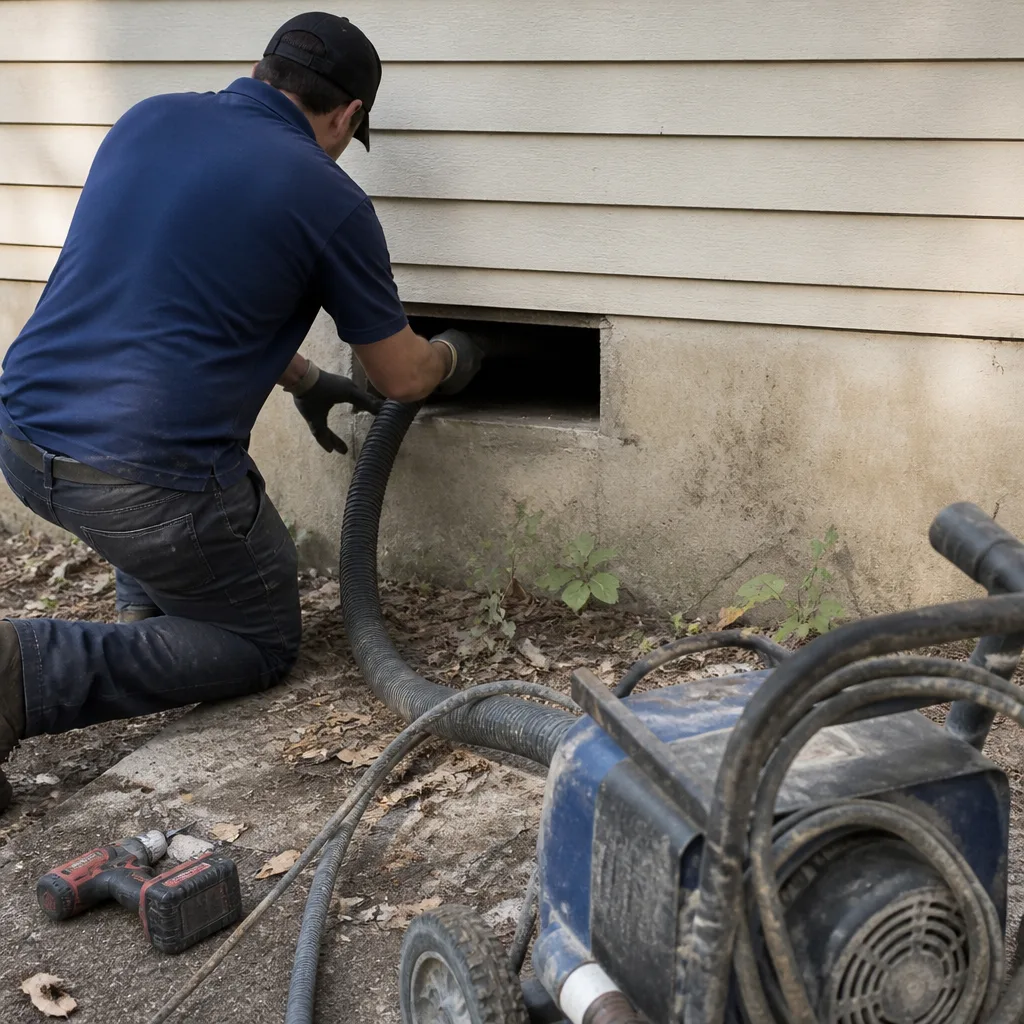 Before
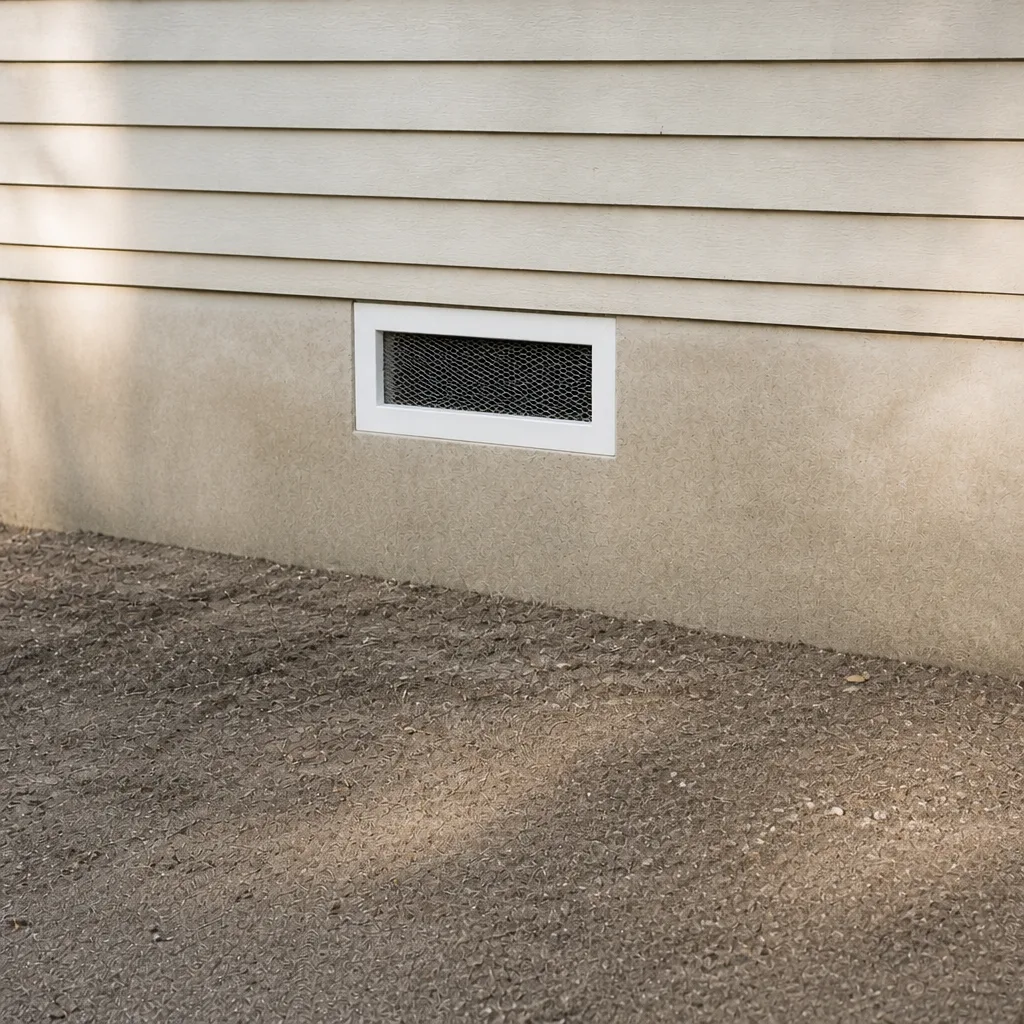 After
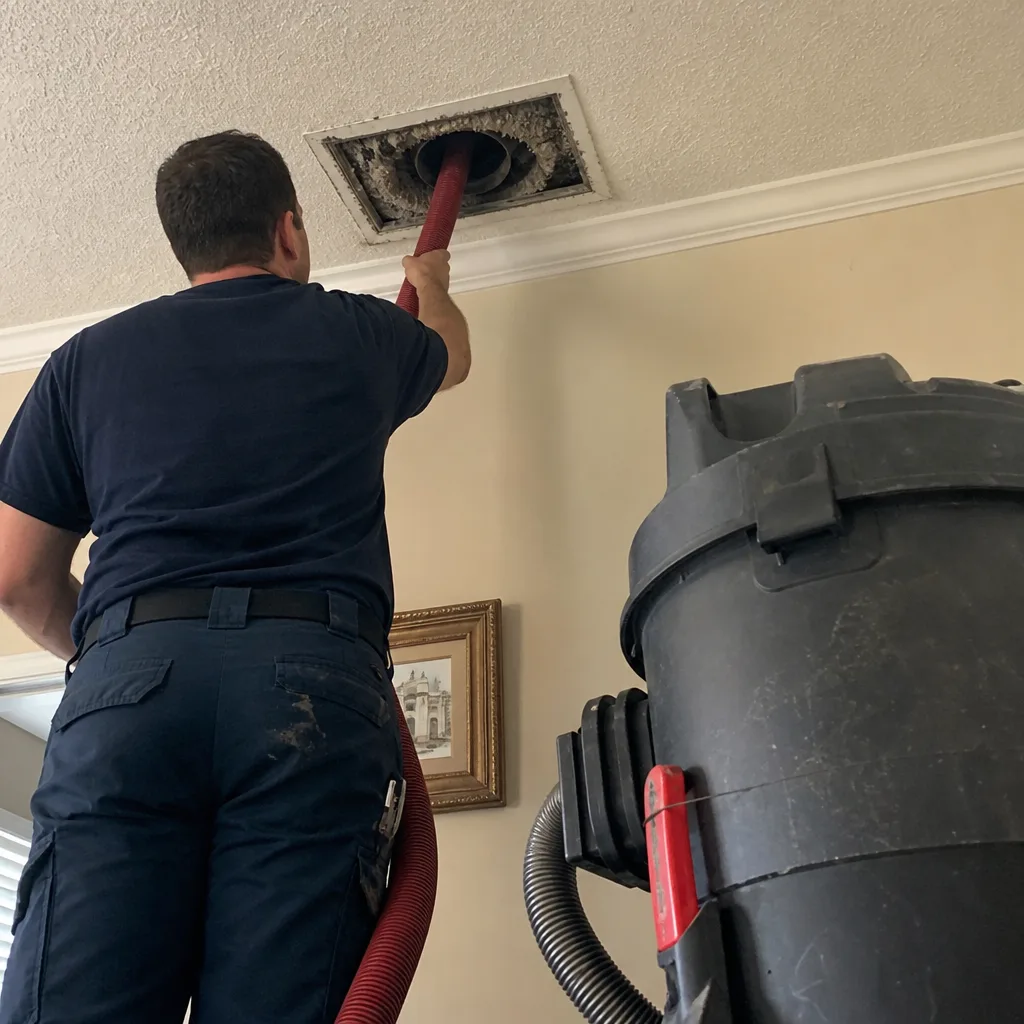 Before
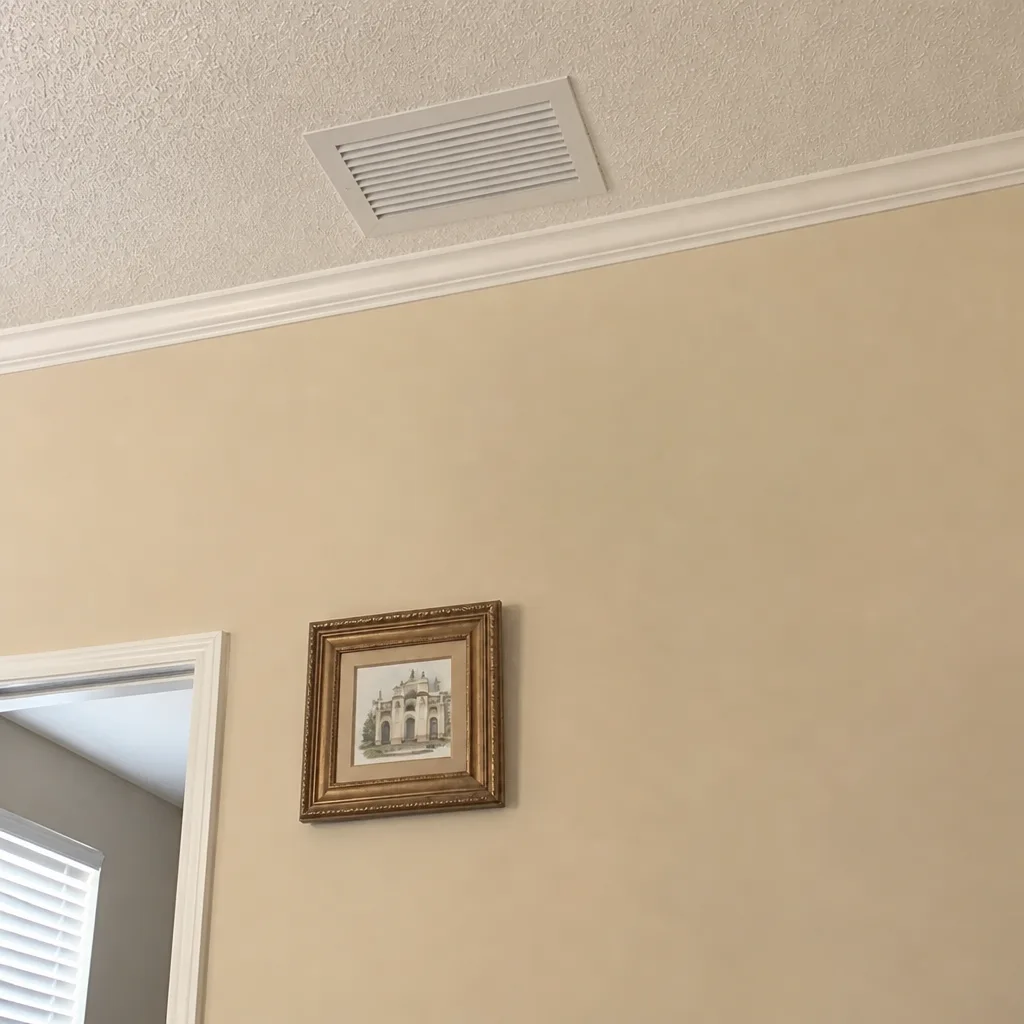 After
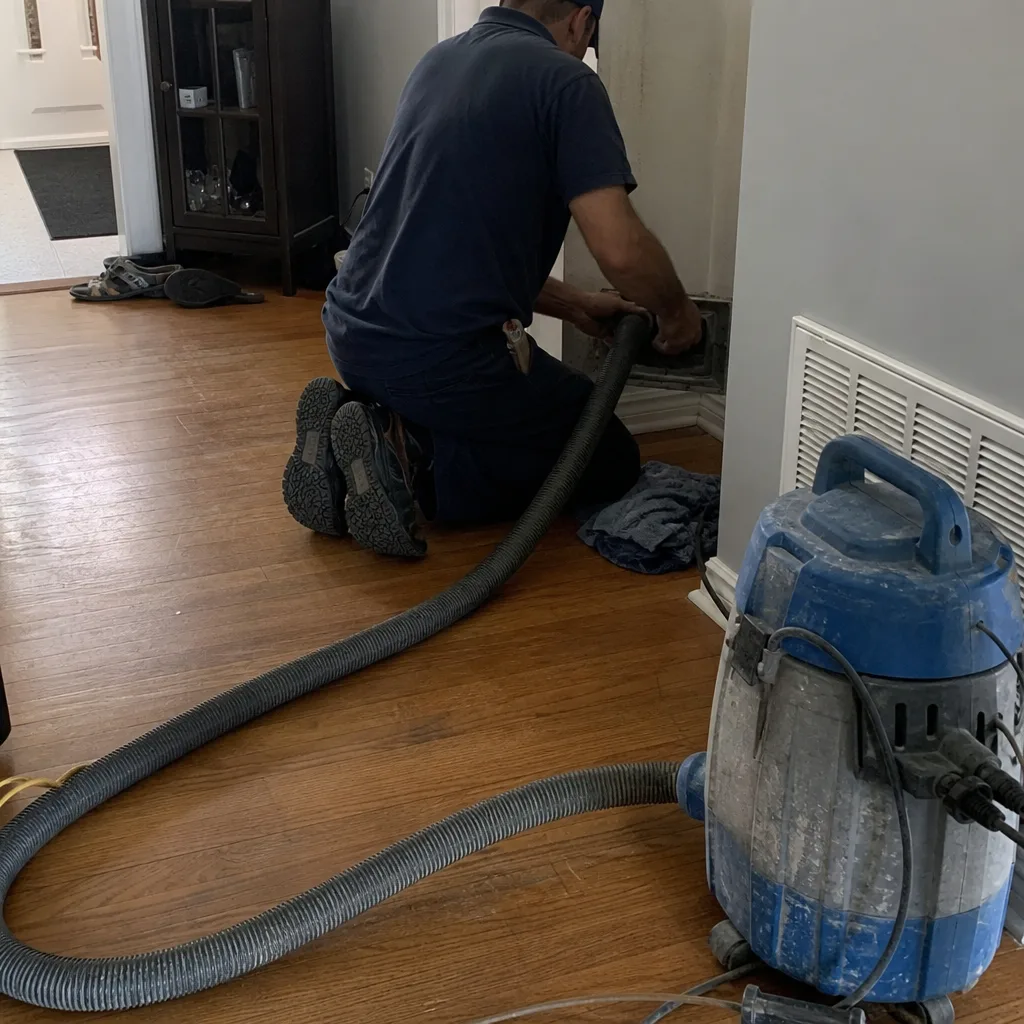 Before
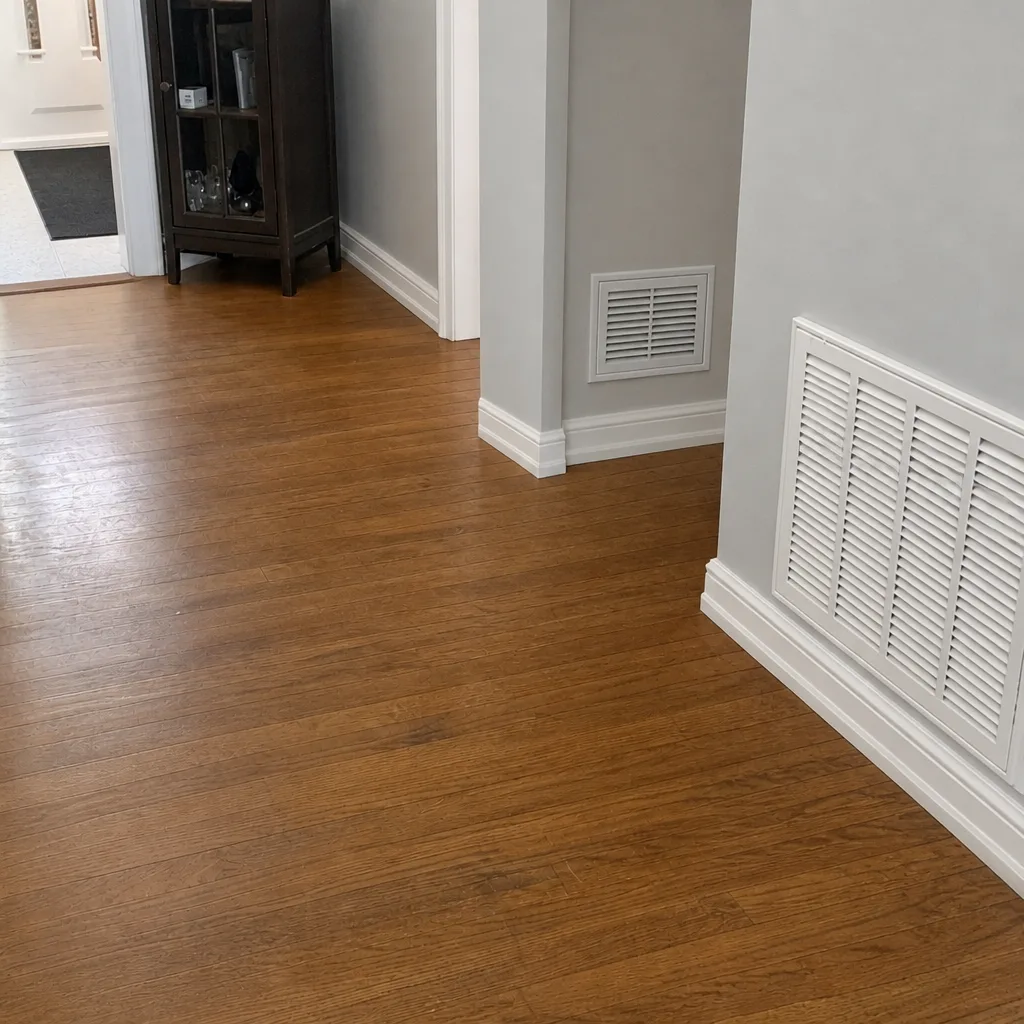 After
When to Call a Professional
Some jobs are housekeeping. Others need a crew with professional equipment. Call a professional when you have visible dust around the return registers, when you’ve recently finished a renovation or moved into a new build and suspect construction debris in the system, when someone in the home has allergies or respiratory sensitivity, or when you smell mustiness coming from the vents. Aging duct systems with flexible duct that’s been crushed, torn at connections, or sealed with tape that’s failing are also worth a professional assessment; that’s where duct repair comes in, and it’s where North Charleston homes tend to see the most benefit. Sunstone Air Duct Cleaning offers free estimates in North Charleston – call (855) 683-7582. We answer 24/7, with fast dispatch from 7am to 7pm, Sunday through Friday.
Frequently Asked Questions
Typical whole-system air duct cleaning in North Charleston runs several hundred dollars and up, depending on square footage, number of registers, and condition. The price is set per job by a written estimate. Since South Carolina doesn’t license this trade, price differences between quotes usually come down to equipment and scope, not efficiency. Call (855) 683-7582 for an exact quote – estimates are free.
Cheap quotes usually mean smaller scope and smaller equipment: a portable consumer vacuum instead of a truck-mounted or heavy-duty extraction system, fewer access points, and no interior documentation. The quote is small because the job is small. Get line items in writing and compare what’s actually being cleaned. Call (855) 683-7582 for a full-system estimate you can compare.
You know because you have before-and-after photos or video taken from inside the duct system, not just exterior shots of your registers. A professional crew documents the pre-clean condition, cleans the system, then documents the same interior locations afterward. If a company can’t describe that process, ask why. Call (855) 683-7582 to discuss what documentation comes with our work.
Most homes don’t need it on a strict calendar. The interval depends on your home: pets, recent renovation, new construction dust, allergy sensitivities, and the condition of the system at inspection all shift the recommendation. A professional will tell you honestly whether your ducts need cleaning now or in a few years. Call (855) 683-7582 and we’ll give you a straight assessment.
Verify NADCA membership directly through NADCA’s member directory. Ask about EPA Section 608 awareness for any work that touches refrigerant lines, and confirm which South Carolina contractor license covers duct repair work if repairs are in scope. Also confirm general liability insurance and bonding. These questions take minutes and filter out most of the risk. Call (855) 683-7582 if you want help interpreting what you find.
Yes. Cleaning is unlicensed in South Carolina, but duct repair that touches the HVAC system falls under the state contractor licensing rules that cover that type of work. Ask any company that offers both which license class covers their repairs and verify it through the state licensing board. A company that does both can clean and repair your system in one visit, which beats two separate contractors and two screening processes. Call (855) 683-7582 to ask how we handle the repair side.
The Bottom Line
Air duct cleaning in North Charleston is effectively unregulated at the state level, which means the hiring decision is entirely yours to make well. Verify the certifications that matter. Ask about equipment by name. Insist on a written scope and interior before-and-after documentation. Compare quotes line by line, not by the bottom number. Watch for per-vent pricing and teaser coupons that grow once a technician is on site. None of these steps requires technical knowledge. They only require you to ask the questions, and expect real answers. That’s the entire difference between a clogged system that got a surface sweep and a clean, whole-home air system you can verify. Call (855) 683-7582 for a free estimate. We answer 24/7. Fast dispatch from 7am to 7pm, Sunday through Friday.
Written by the team at Sunstone Air Duct Cleaning.