
Last updated November 15, 2026
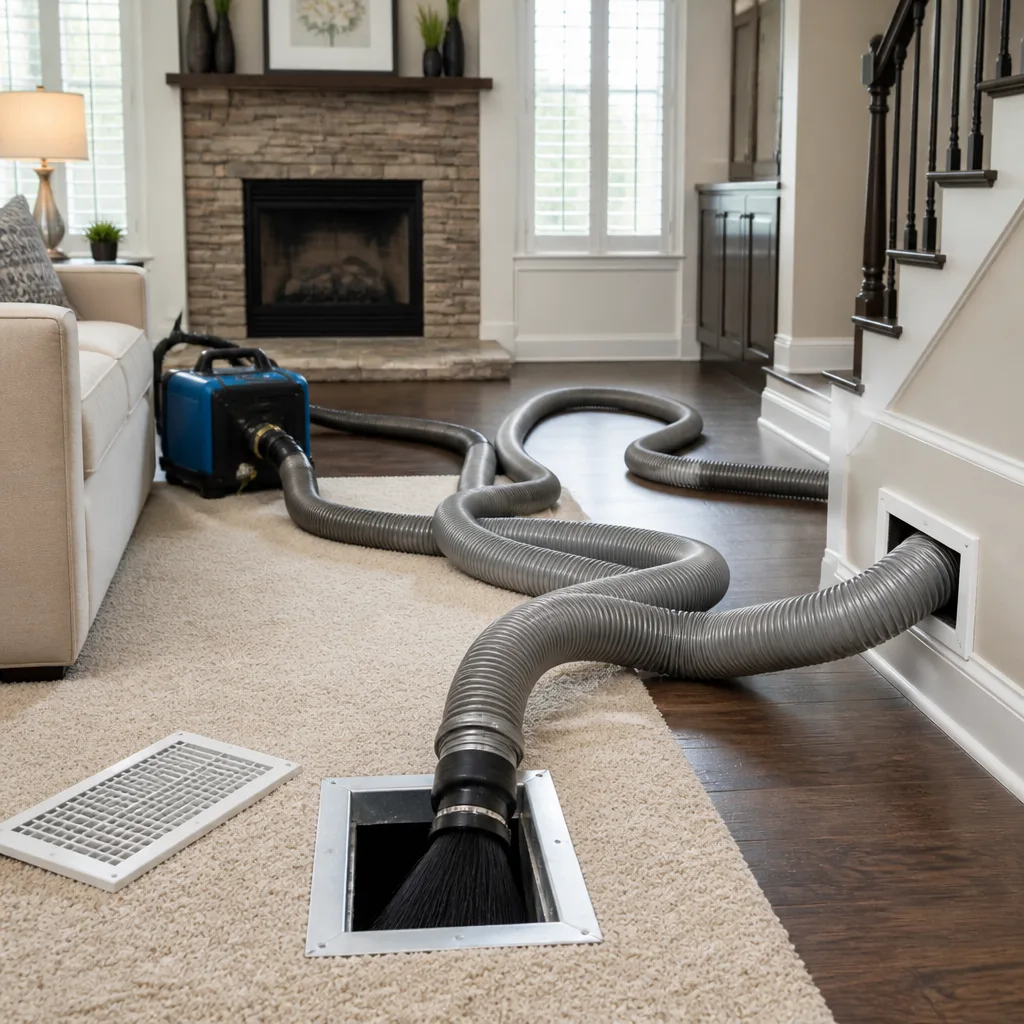 Whole-home duct cleaning
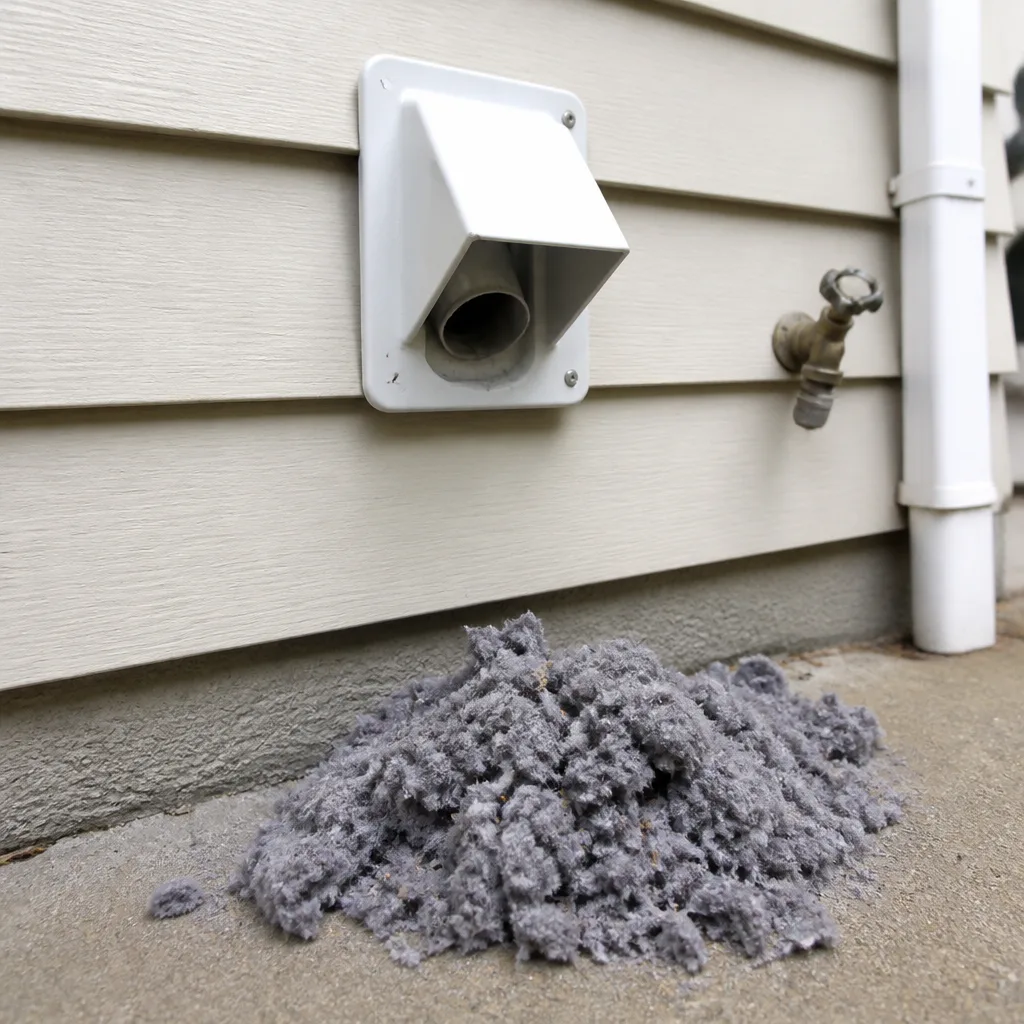 Dryer vent cleaning
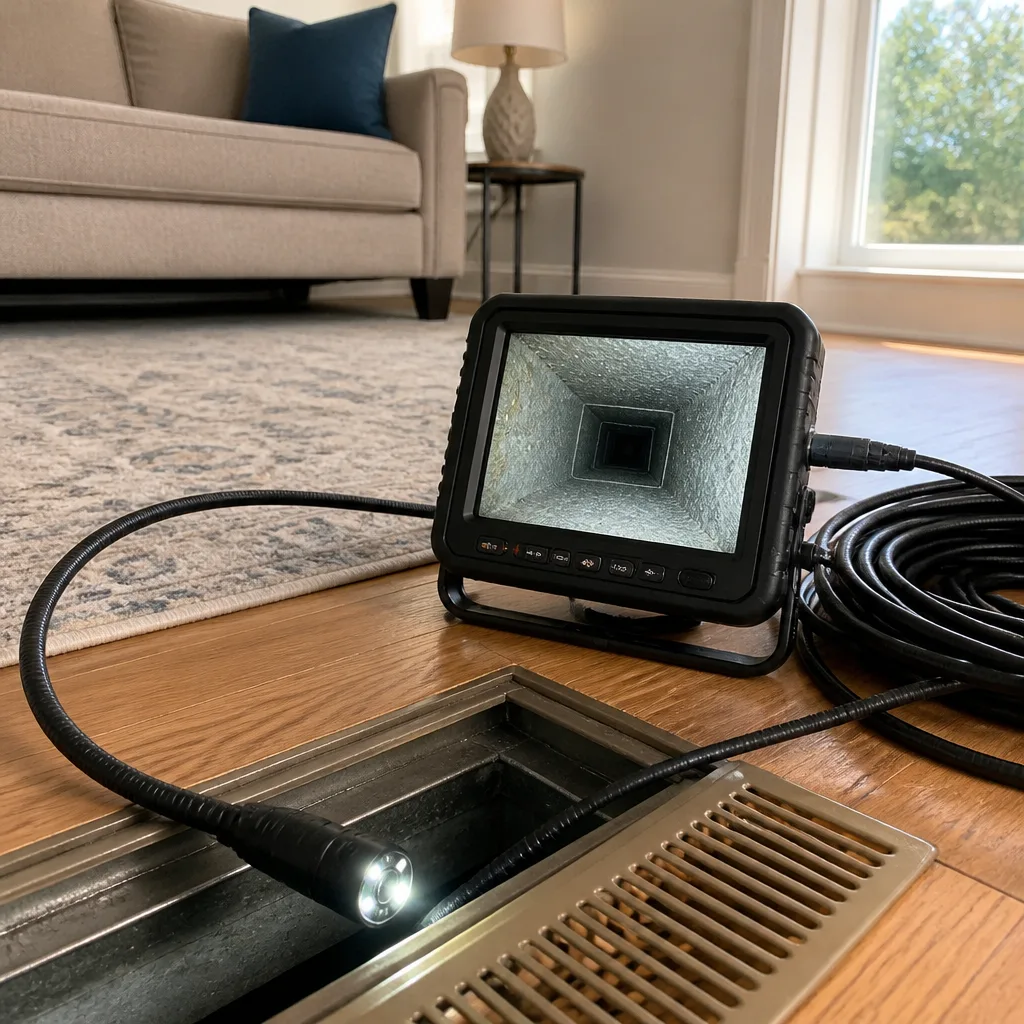 Camera inspection
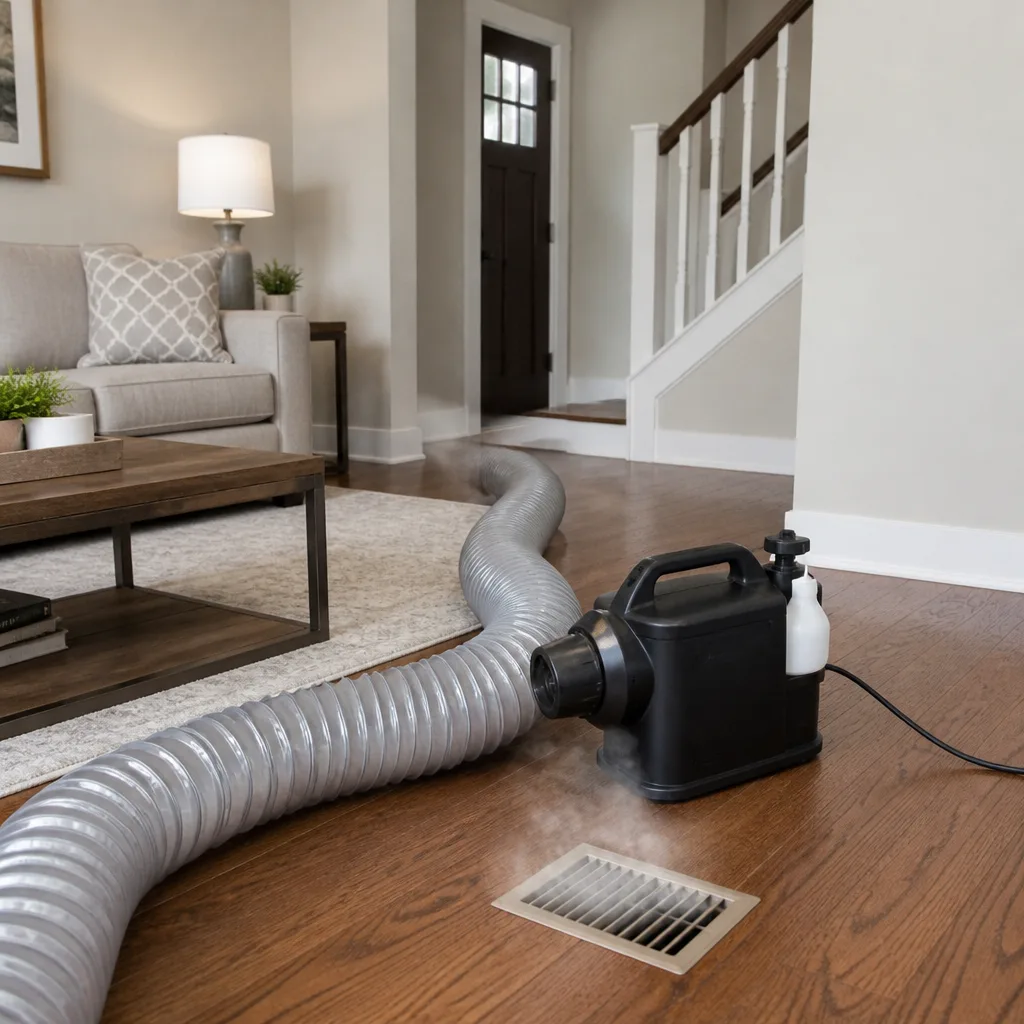 Sanitizing & deodorizing
Whole-system duct and dryer vent check with before-and-after photos - you see exactly what came out of your vents
That "$99 whole-house special" is a bait ad - the real number appears once they are in your hallway, or the "clean" is a shop-vac at the register. We photograph the inside of your ducts before and after instead.
Seasonal Air Duct Cleaning Care for North Charleston: Year-Round Homeowner’s Guide
Most seasonal duct advice was written somewhere with four balanced seasons, and it doesn’t fit here. North Charleston runs on a long, heavy summer, a short mild winter, and two shoulder periods that pull the duct system in opposite directions. The national habit of cleaning ducts in fall misses the real problem: the worst contamination event of the year builds between April and June, before the AC runs hard, not after. Timing your duct care to these actual transitions does more for your air quality and your equipment than any generic calendar ever will. This guide walks through what each season does to your ducts and how to plan around it.
Quick Answer
In North Charleston, the highest-value time to inspect and clean your air ducts is late April through May, before summer cooling demand peaks and while humidity is climbing. A second, lighter check belongs in late fall when the system switches to heating. Cleaning on that rhythm, based on what you actually observe rather than a fixed month, keeps duct lining, insulation, and drain pans drier and loads the blower with less debris during the hottest months. Air duct cleaning should follow your system’s stress points, not a northern calendar.
Styles & brands we work with
- Whole-home duct cleaning
- Dryer vent cleaning
- Camera inspection
- Sanitizing & deodorizing
Table of Contents
- How North Charleston’s Climate Actually Treats Your Ducts
- Why Pre-Summer (April and May) Is the Highest-Stakes Window
- What Summer Humidity Does Inside the System
- Winter Heating: The Combustion Risk Homeowners Overlook
- Post-Storm Particulate Load, Even Without Visible Damage
- Building a Seasonal Duct Log That Actually Helps
- A Simple Four-Season Care Schedule
- Common Mistakes to Avoid
How North Charleston’s Climate Actually Treats Your Ducts
North Charleston doesn’t hand your duct system four equal seasons. It hands it a long stretch of heat and humidity, a brief cool period, and two transitions that force the system to change jobs. Each phase hits the ductwork differently, and the parts at risk aren’t always the parts people think about.
Here’s how the year actually breaks down for a duct system in this area:
- Late spring (April to May): humidity climbs before the AC has been running steadily, so dust, pollen, and moisture settle on interior duct surfaces and drain pans while airflow is still light.
- Summer (June to September): the system runs near constantly, pulling warm humid air across cold coils. Condensation is at its peak, and any dust inside the ducts becomes a food source for microbial growth when it stays damp.
- Early fall (October to November): the AC load drops and the system sits idle more. Leftover moisture has less airflow to dry it out, which is why fall is a good time for a lighter inspection.
- Winter (December to February): the furnace or heat strips take over. Combustion byproducts and drier air move through the same ducts that were humid all summer.
What this means for the parts you can’t see: duct lining and insulation board absorb and hold moisture during the long humid stretch. Flexible duct with a torn inner liner traps debris in the cavity. Drain pans sit wet for months. In our experience, the shoulder seasons are when those problems show up as smells, dust, or uneven airflow, and the deep summer and winter are when they get worse. If you’re new to the area, the North Charleston climate is worth understanding before you set any duct routine at all.
Why Pre-Summer (April and May) Is the Highest-Stakes Window
April and May are the most important weeks of the year for duct inspection in North Charleston, and it has nothing to do with the calendar advice you’ve read elsewhere. Three things converge in that window, and each one makes the others worse.
- Pollen and outdoor particulate peak. Spring brings a heavy load of pollen and fine outdoor debris. Your return ducts and filter are pulling that in right as the system ramps up, so the interior of the ductwork collects more than it did all winter.
- Humidity rises before the AC runs steadily. There’s a stretch where it’s warm and damp but the system isn’t cooling continuously yet. That’s exactly the condition where settled dust stays moist and microbial growth gets a foothold, especially on cooling coils and drain pans.
- System load is about to climb. Once summer demand hits, the blower, coil, and ducts carry maximum airflow for months. Starting that run with a clean system means less debris gets pushed into living spaces and less strain on the equipment.
Inspect in April or May and you catch contamination before the system is running hard. Wait until fall, and you’ve just spent the entire humid season moving that debris through your home. This is the single biggest timing difference between North Charleston and a place where “clean in fall” actually makes sense. A pre-summer visit also lines up naturally with dryer vent cleaning, since both services share the same indoor air quality goal and the same visit saves you scheduling twice.
What Summer Humidity Does Inside the System
Summer is when a duct system in North Charleston works hardest and stays wettest. The AC pulls moisture out of the air at the coil, and some of that moisture ends up in places it shouldn’t linger: the drain pan, the coil surface, and any duct surface that stays below the dew point. Add settled dust and you get the conditions that feed mold and mildew.
What to check through the summer:
- Drain pan and condensate line: standing water or a slow drain is a sign the pan or line is clogged. That moisture has nowhere to go but into the airstream.
- Musty smell when the AC kicks on: a common signal that the coil or duct lining is staying damp.
- Visible dust at the registers: if registers dust over quickly, the ducts are shedding debris into the room.
- Uneven cooling between rooms: often a sign of a duct leak or a collapsed flex run that’s leaking cool air into the attic or crawlspace instead of the room.
Professional extraction matters here. A shop vac or a consumer-grade blower just stirs the debris back into the air. We use Rotobrush rotary-brush equipment to agitate debris off duct surfaces and Nikro HEPA-filtered extraction to capture it at the source, so it leaves the system instead of redistributing into living spaces. For homes with mold concerns or post-renovation dust, Abatement Technologies filtration units handle the contaminant load with the same equipment category used in remediation work.
Winter Heating: The Combustion Risk Homeowners Overlook
When North Charleston switches to heating, the duct system picks up a job it didn’t have all summer. If your home has a gas furnace, that means combustion byproducts move through the same ductwork that carried cool air a few weeks earlier. Dirty ducts and a restricted airflow path can contribute to poor venting and incomplete combustion, which is a safety concern, not just a comfort one.
How to be safe about it:
- Have the furnace itself serviced by a licensed HVAC technician. Duct cleaning does not replace furnace service, and combustion safety belongs to a trained technician with the right instruments.
- Install and check carbon monoxide alarms. If a home has gas heat, working CO alarms near sleeping areas are non-negotiable.
- Watch for soot, corrosion, or a yellow flame. Any of these on the furnace or at the flue is a call-the-professional signal, not a DIY check.
- Clean the ducts once the heating season starts if summer left debris behind. Dust and lint inside the supply runs don’t disappear because the season changed.
Homes on heat strips or a heat pump skip the combustion risk, but they still notice the winter side of the equation: drier air, more dust circulation, and any leftover summer moisture baking into dust that distributes through every room. Either way, late fall is a smart time to schedule a lighter inspection so the heating season starts with a clean system.
If a duct problem becomes urgent during the heating season, we answer 24/7. Fast dispatch from 7am to 7pm, Sunday through Friday.
Post-Storm Particulate Load, Even Without Visible Damage
Tropical storms and heavy rain events happen in this region, and even a home that weathered a storm with no visible damage can end up with a heavier particulate load inside its ducts. Wind-driven rain, raised outdoor particulate, and long power outages that stop the system all contribute. The point isn’t fear: it’s that “my house looks fine” isn’t the same as “my ducts are fine.”
After a major storm, check for these signs before assuming the system is unaffected:
- Musty or earthy smell when the system runs. Could be moisture that got into the duct or the coil cabinet.
- More visible dust than usual at the registers and on horizontal surfaces.
- New allergy symptoms or irritation that start after the storm and don’t resolve.
- Uneven airflow or a system that sounds different than it did before.
If any of those show up after a storm, a duct inspection is worth the call. Storm-driven particulate and any moisture intrusion get addressed faster when they’re caught early, and cleaning a system that sat through a storm keeps that debris out of living spaces for the rest of the season. That inspection pairs well with a whole-home service call so one visit covers air duct cleaning and dryer vent cleaning together.
Building a Seasonal Duct Log That Actually Helps
A duct log is the single easiest upgrade to your seasonal routine. Not because paperwork is fun, but because duct care decisions are much better when they’re informed by a pattern rather than a memory. When you can look back at last April and see what the registers looked like, what you smelled, and when you last had the system cleaned, you know what this April actually means.
Keep the log simple. A note on your phone or a small notebook is enough:
- Date: when you made the observation or scheduled the service.
- Season transition: which changeover you were in (spring ramp-up, summer peak, fall shoulder, winter heating).
- What you saw: register dust, musty smell on startup, uneven airflow, drain pan condition.
- What you did: replaced filter, scheduled a cleaning, called for a repair, or took no action.
- Result: whether the symptom cleared, stayed the same, or got worse.
After a couple of seasons, you’ll have something a calendar can’t give you: your own home’s rhythm. Some homes here need a cleaning every 2 to 3 years on the pre-summer rhythm. Homes with pets, allergy sufferers, recent renovation, or a system that pulls a lot of outdoor air need to be inspected more often. The log tells you which one your home is. When you’re ready to schedule, the full picture at Sunstone Air Duct Cleaning is the place to start, and we’ll use your log to time the next visit correctly.
A Simple Four-Season Care Schedule
Here’s the schedule we recommend for a typical North Charleston home. Adjust frequency based on your log, but keep the timing.
- Late March: replace the filter, note any musty smells or register dust in your log. Book a duct inspection for April or May if the system hasn’t been cleaned in over two years or if you had a renovation or pets in the home.
- April and May: schedule the pre-summer duct cleaning and inspection. This is the highest-value window of the year. Include a duct repair assessment if you’ve noticed uneven airflow.
- June through September: replace the filter on its regular interval, keep an eye on the drain pan, and log any musty smell or sudden dust increase. Schedule same-day service if a duct problem turns urgent.
- October and November: lighter inspection. Check for leftover summer moisture in the drain pan and coil, and note the condition of the registers before the heating season starts.
- December through February: replace the filter, confirm CO alarms are working, and log the heating-side symptoms. If ducts were dirty going into winter, book a cleaning now rather than waiting for spring.
- Any time: if a storm passes through, note any new dust or smell and schedule an inspection if it doesn’t clear.
That’s the whole routine. It’s short, it’s tied to what actually happens in this climate, and it keeps the system on a rhythm instead of reacting to problems after the air quality has already shifted.
Common Mistakes to Avoid
- Cleaning in fall because “that’s when you clean ducts.” In North Charleston, fall is a shoulder season, not the peak. The heaviest contamination builds between April and June, so fall cleaning catches the problem a season too late.
- Trusting a low coupon price as the whole job. That tease often turns into a much larger invoice once the technician is on site. Ask instead for one flat price per system agreed before any work starts, and before-and-after photos of your own ducts.
- Cleaning the ducts but ignoring the repair side. A leaky run or a torn flex liner will just fill back up with debris. Clean ducts and repaired ducts are the same job in a home with known airflow issues.
- Running the system without a service history. Without a log, no one can tell whether a musty smell is a new problem or the same one from two years ago. A simple seasonal note avoids that.
- Skipping the dryer vent when you schedule duct cleaning. A clogged dryer vent is a leading cause of residential fires, and it’s worth checking on the same visit as the ducts.
- Assuming a storm left the ducts alone because the house looks fine. Post-storm particulate and moisture often show up as a smell or new dust, not visible damage.
- Using a shop vac or consumer blower for the job. Those push debris back into the airstream instead of capturing it. Professional extraction with HEPA filtration is what actually removes the contamination.
See the difference
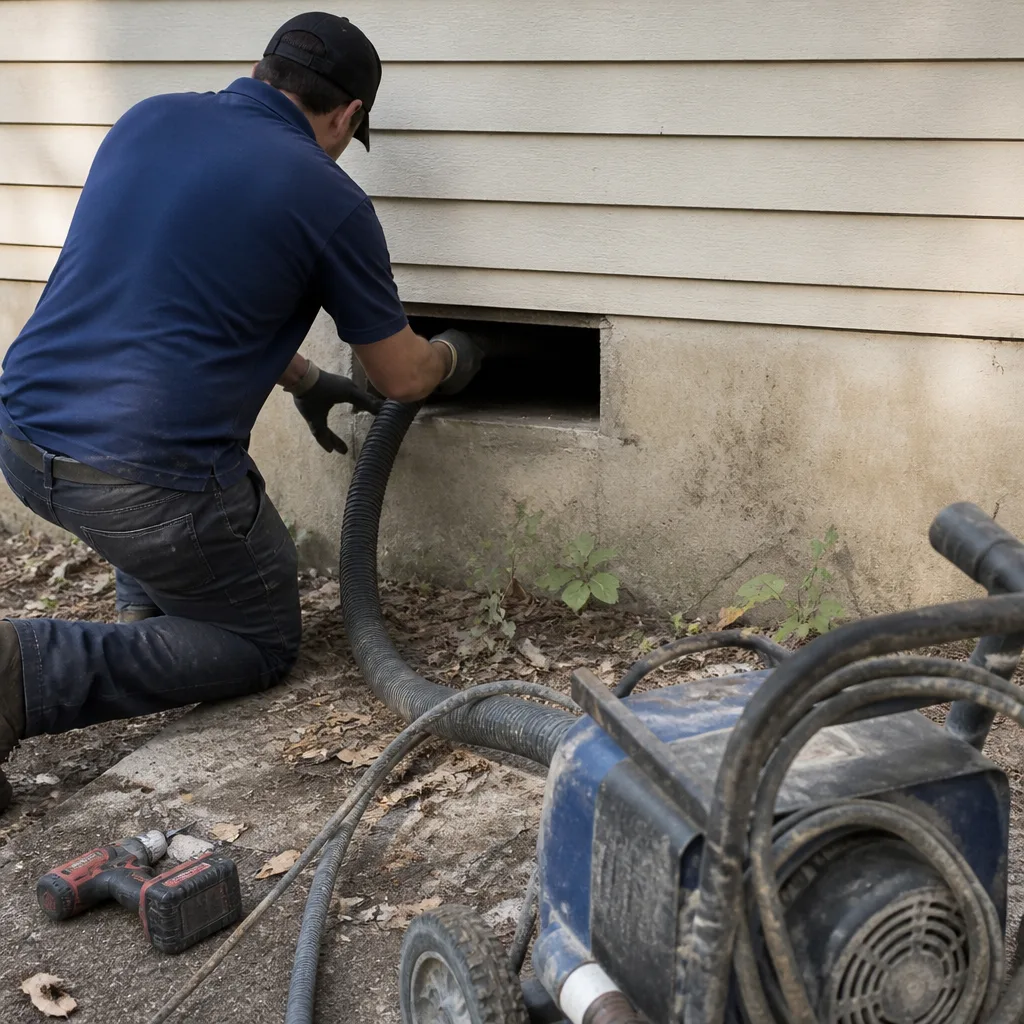 Before
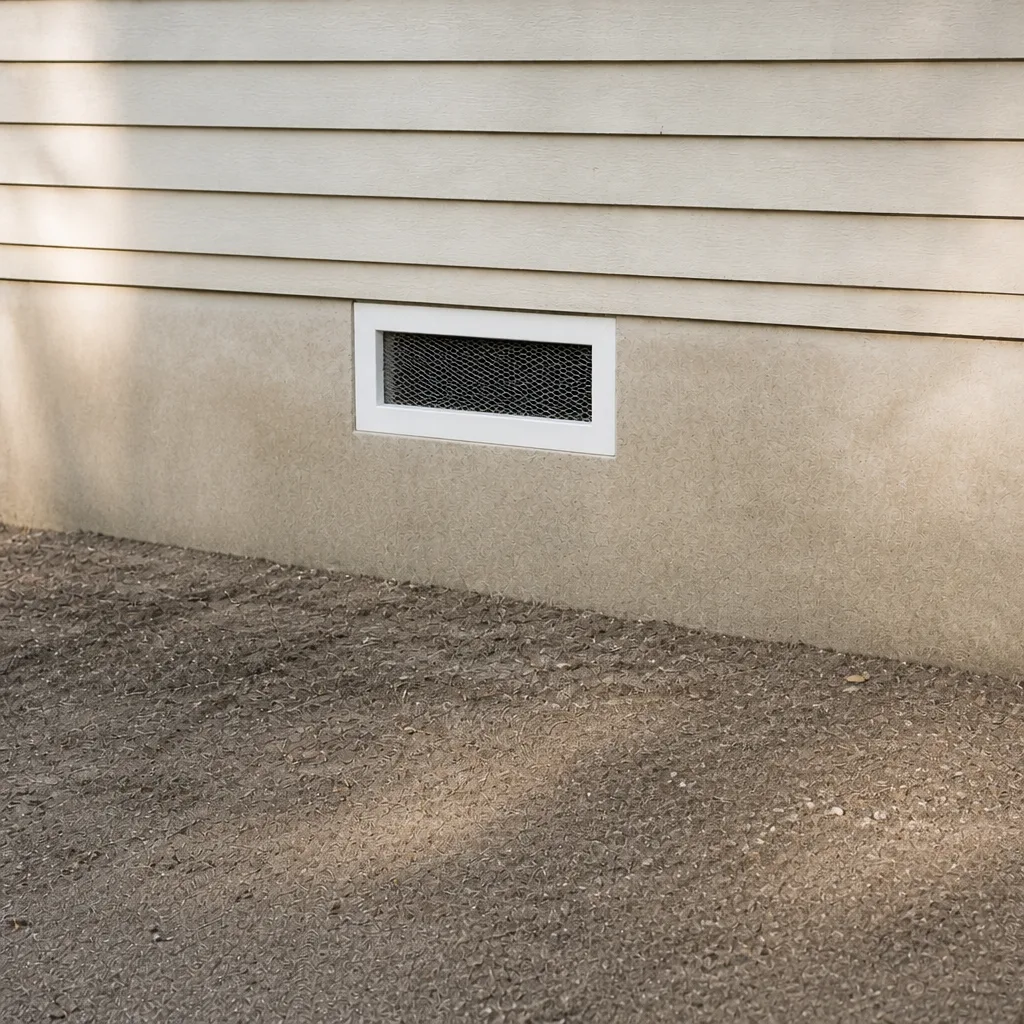 After
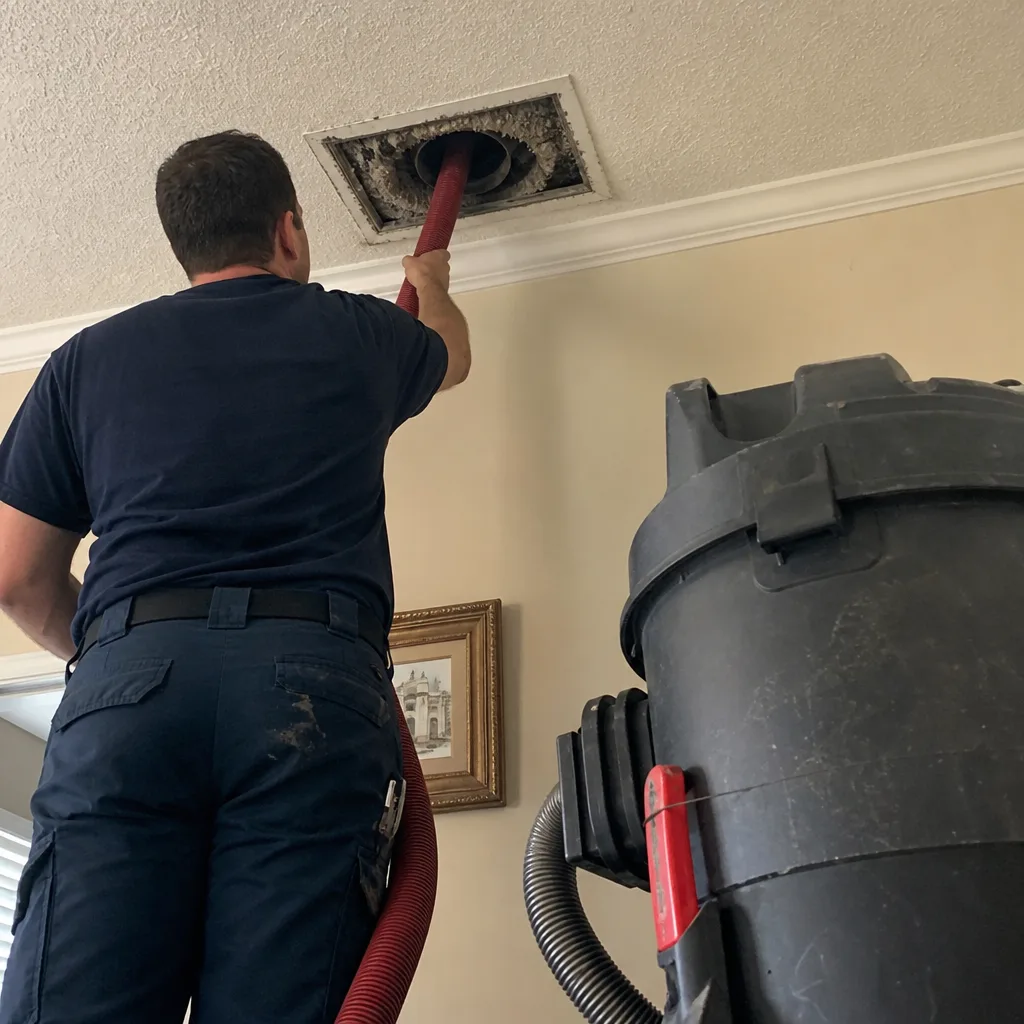 Before
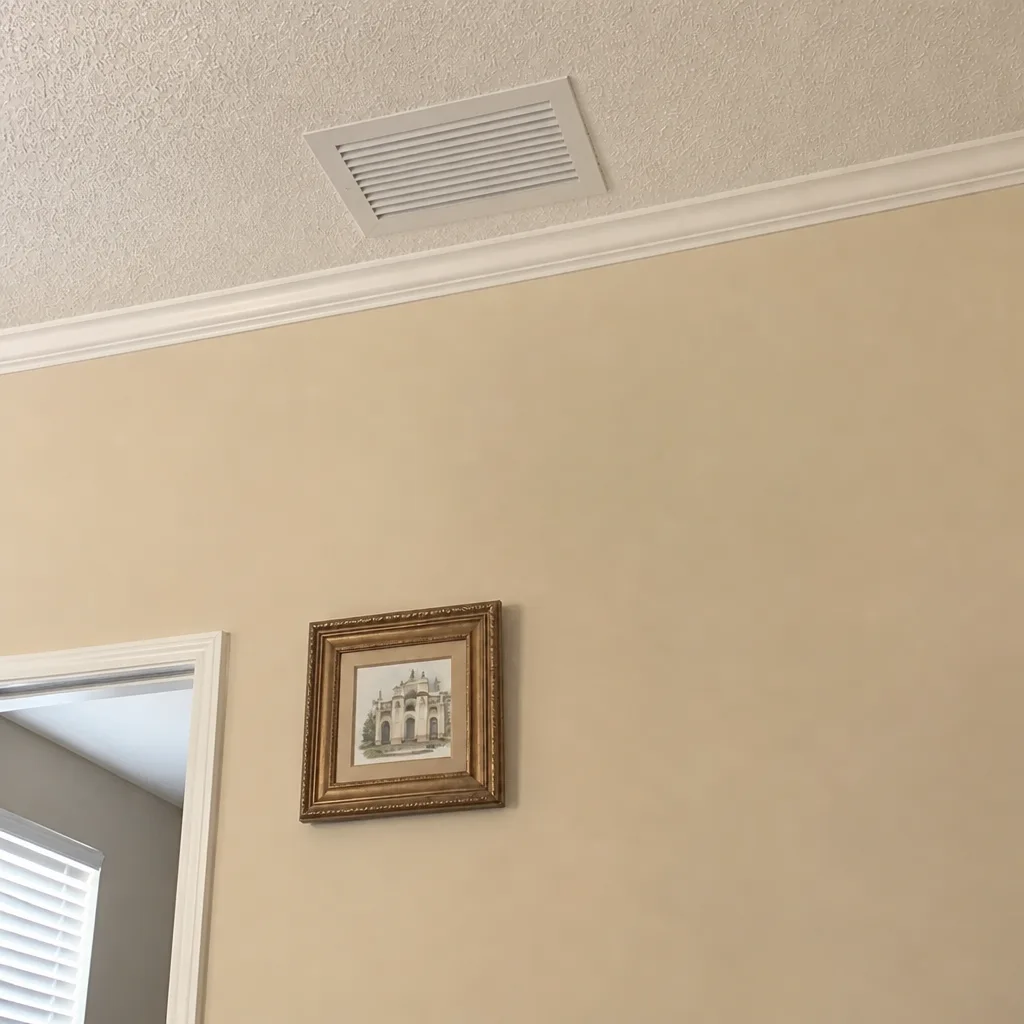 After
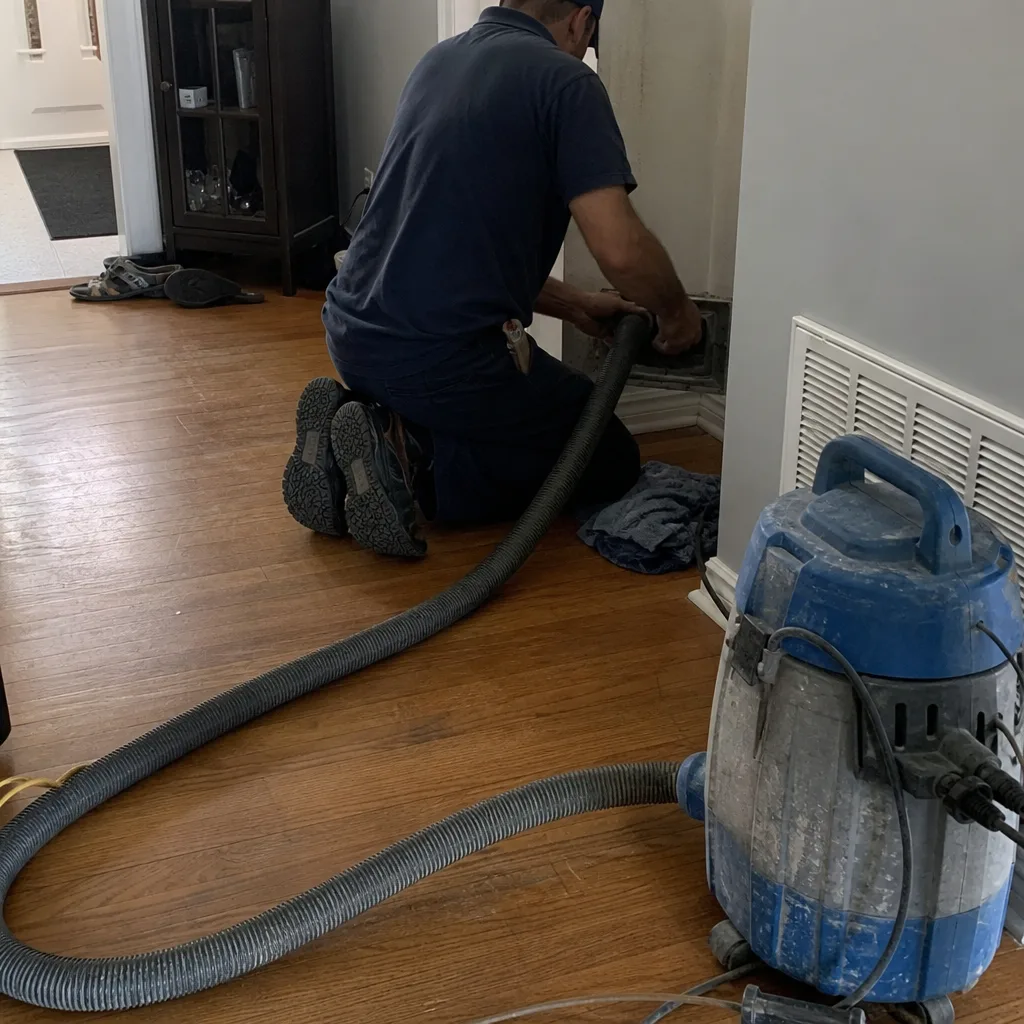 Before
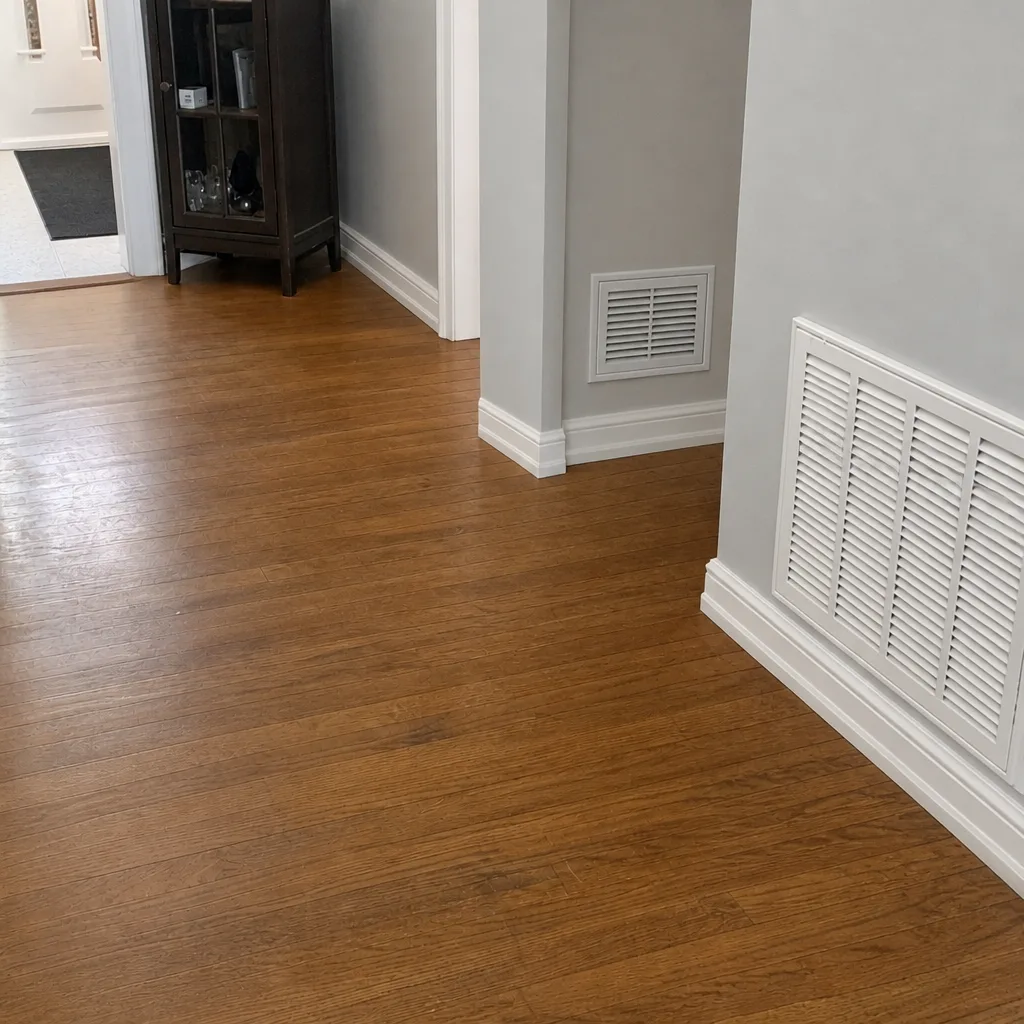 After
When to Call a Professional
Not every homeowner needs a scheduled cleaning. Some situations call for a call now. Book a professional inspection if you notice a musty or earthy smell when the system starts, visible dust at the registers that returns quickly after cleaning, or uneven airflow between rooms. The same applies after a renovation, after a major storm, if a home has ongoing allergy symptoms that don’t clear, or if you’ve recently bought a home with an unknown duct history. If a duct system has known leaks, a collapsed flex liner, or a damaged connection, cleaning alone won’t fix it, and duct repair is the right next step. Sunstone Air Duct Cleaning offers free estimates in North Charleston and can assess whether cleaning, repair, or both is the answer. Call (855) 683-7582. We answer 24/7. Fast dispatch from 7am to 7pm, Sunday through Friday.
Frequently Asked Questions
Late April through May is the best time to clean air ducts in North Charleston. That pre-summer window catches contamination before the AC runs hard and while humidity is climbing, so the system starts summer clean and dry. A lighter inspection in late fall covers the switch to heating.
Most homes in this climate need a cleaning every 2 to 3 years, timed to the pre-summer window. Homes with pets, allergy sufferers, recent renovation, or a system that runs constantly need to be inspected more often. Your own seasonal log is the best way to know which rhythm fits your home. Call (855) 683-7582 for an exact quote. Estimates are free.
Cheap quotes usually cover a surface pass or a per-vent visit with consumer-grade equipment, and the low price grows once the technician is on site. We quote one flat price per system, agreed before work starts, and use professional-grade extraction. Call (855) 683-7582 for a free estimate.
Ask for before-and-after photos of your own ducts, taken during the service. A professional visit includes the photos as part of the job record. If a company won’t show you what they found, that’s a sign to look elsewhere. Call (855) 683-7582 to schedule an inspection. Estimates are free.
Yes. Wind-driven rain, raised outdoor particulate, and long outages can push debris into the system even when the house looks untouched. A musty smell, new register dust, or sudden allergy symptoms after a storm are worth an inspection. Call (855) 683-7582 to book one.
Cleaning often solves a musty smell when the cause is damp dust, mold, or debris on the coil and duct lining. If the smell comes back, there’s likely a moisture or airflow issue that needs a duct repair or an HVAC technician, not just another cleaning. Call (855) 683-7582 for a free estimate and we’ll walk through what we find.
The Bottom Line
North Charleston’s climate doesn’t match the national duct-cleaning calendar. The real stress on your duct system builds from April to June, before summer AC demand peaks, and again when the system switches to heating in late fall. Time a professional inspection to late April or May, keep a lighter check on the heating transition, log what you see season to season, and let that log drive your next booking. Do that and the system starts each season clean, dry, and moving air the way it should. If your log says this is the year, call (855) 683-7582. We answer 24/7. Fast dispatch from 7am to 7pm, Sunday through Friday. Estimates are free.
Written by the team at Sunstone Air Duct Cleaning.